



BIFA Freight Service Awards 2025 concedidos
Jan 20, 2026 at 10:19 AM
Rhenus opens terminal in Kazakhstan
Jan 20, 2026 at 10:33 AM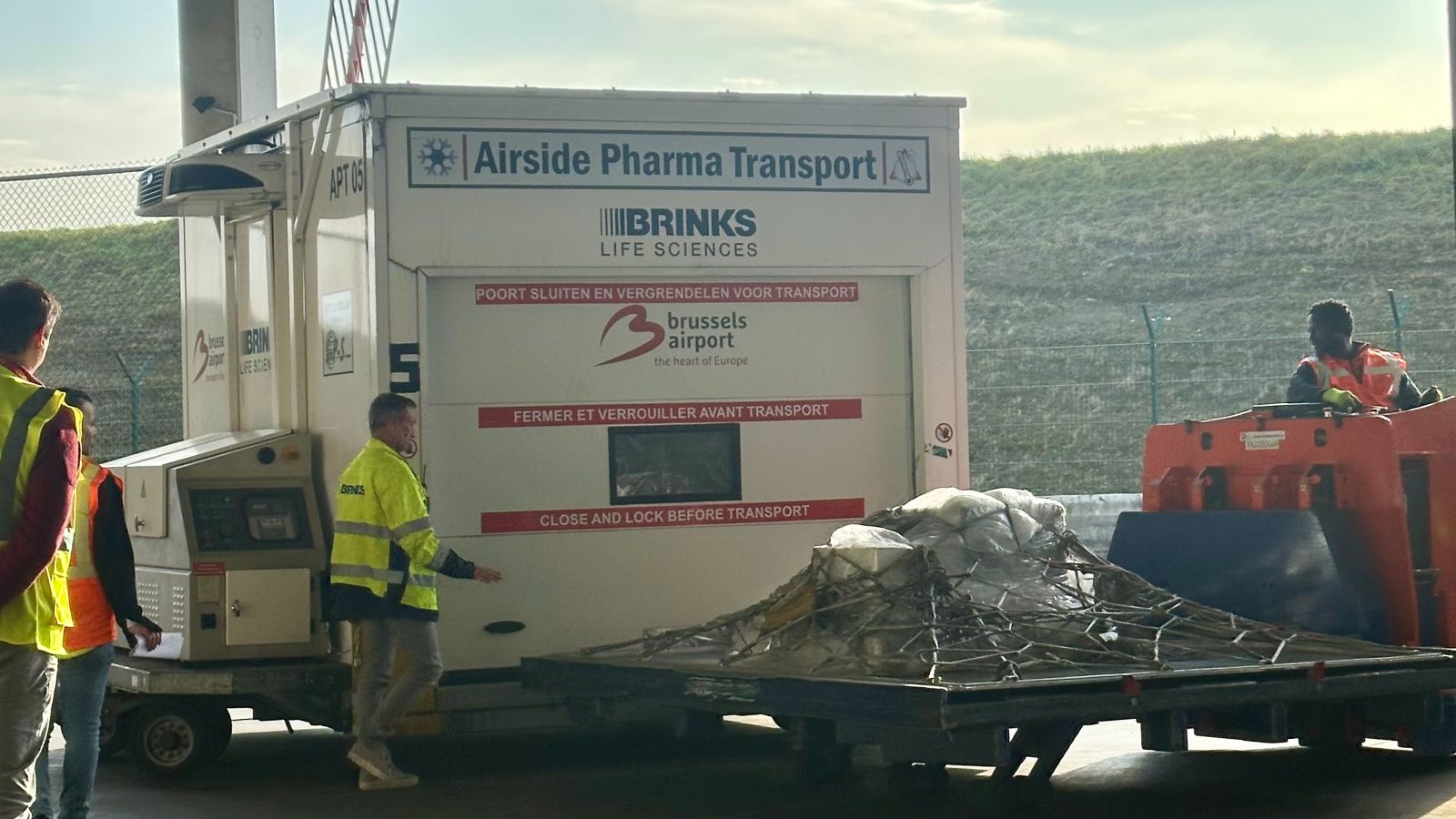
The first test shipments of human cell and blood material, representative of precise therapies, including innovative treatments for cancer and rare diseases, have left Brussels Airport for Dallas (USA). These shipments are part of the Precision Therapy Logistics Gateway (PTLG) project, which investigates how precise therapies can be transported safely and quickly worldwide. Additionally, risks within existing logistics processes are being identified. Following the test shipments, Brussels Airport and its project partners aim to develop an internationally recognized standard for the air transport of these treatments as the first airport. The establishment of a specialized logistics center at the airport is also being considered.
Since November, a total of ten test shipments of cell and blood samples have been dispatched from Brussels Airport to BioLabs Pegasus Park, a biotech cluster in Dallas, USA. These test shipments have been successfully transported, and another 50 shipments are planned in the coming weeks. Precise therapies, which include cell, gene, and radioligand therapies, are personalized treatments for individual patients. Due to their high sensitivity, they require fast and reliable transport under strictly controlled conditions, including temperature and lead time.
Coordination and Expertise in Transport
The coordination of the test shipments is carried out by the Antwerp ecosystem for Advanced Therapy Medicinal Products (ATMP) and the Science Park of the University of Antwerp in Niel. The laboratories for experimental hematology at the University of Antwerp provide the research samples. The cell and blood material, sourced from healthy donors, is transported from the Center for Cell Therapy and Regenerative Medicine (CCRG) of Antwerp University Hospital (UZA) to the airport. Upon return from Dallas, the test shipments are sent back to the CCRG.
As Europe’s preferred pharma hub, Brussels Airport has extensive expertise and facilities for the transport of time- and temperature-sensitive pharmaceutical goods. The cargo area offers approximately 45,000 m² of temperature-controlled storage space. Upon arrival at Brussels Airport, the test shipments undergo customs control and are stored in a temperature-controlled zone while waiting for their flight. They are then transported to the aircraft in cooling containers developed by the airport itself ten years ago to ensure optimal conditions during transport.
In Dallas, the material is transported to a laboratory in BioLabs Pegasus Park, where it undergoes a visual inspection before being sent back to Belgium. These relatively small shipments are transported as cargo on passenger flights. This logistics model ensures that patients do not have to travel themselves; instead, their cell material is transported, significantly increasing the accessibility of treatments.
Development of a Standardized Protocol
Sensors are added to the shipments to monitor critical parameters such as lead times, temperature control, and traceability throughout the logistics process. This allows for the identification of potential risks and bottlenecks in the transport chain. The results of the test project are expected in the first half of 2026. Based on these findings, the project partners, led by Air Cargo Belgium, will develop an internationally recognized standardized protocol for the logistics chain of precise therapies. Currently, such a protocol does not exist. During the test phase of the project, Brussels Airport is also examining the need for a specialized logistics center in the cargo area to support the transport of precise therapies.
The test shipments are part of the groundbreaking PTLG project, which was launched in early 2025. The initiative is a collaboration between Brussels Airport, Pharma.Aero, Air Cargo Belgium, and the Antwerp ATMP ecosystem at.las. This project is co-financed by the Province of Antwerp and the Province of Flemish Brabant, which support research into a standardized logistics chain for precise therapies.