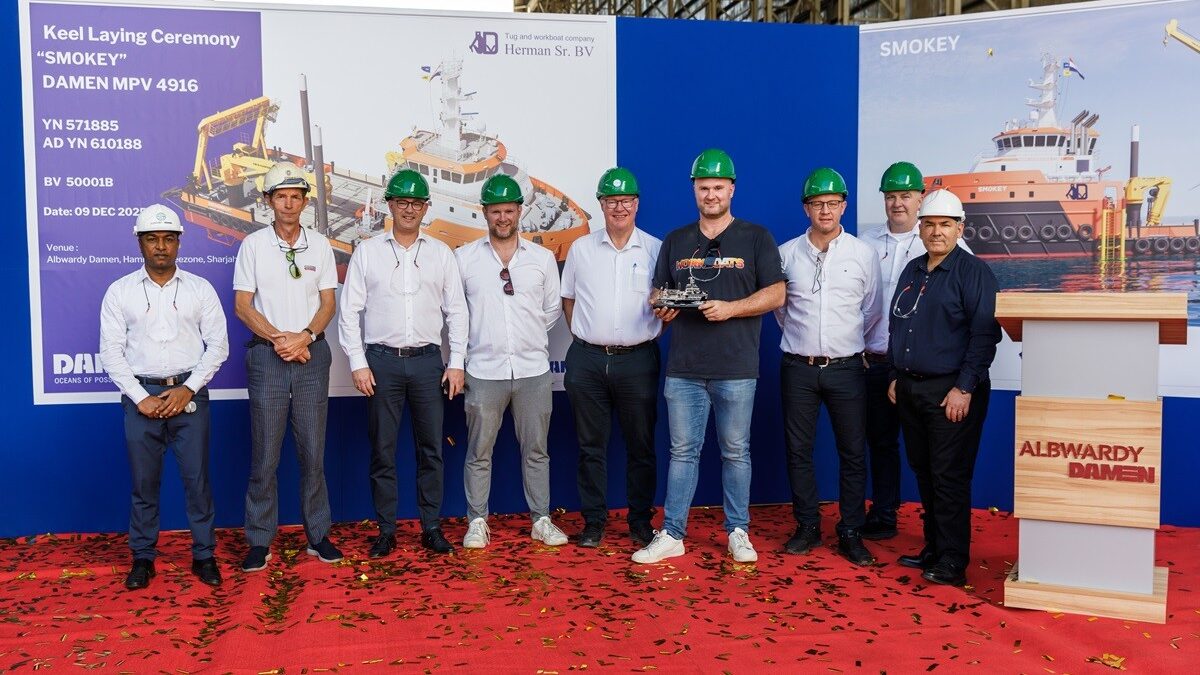
Laying of the MPV 4916 Smokey
Dec 19, 2025 at 11:58 AM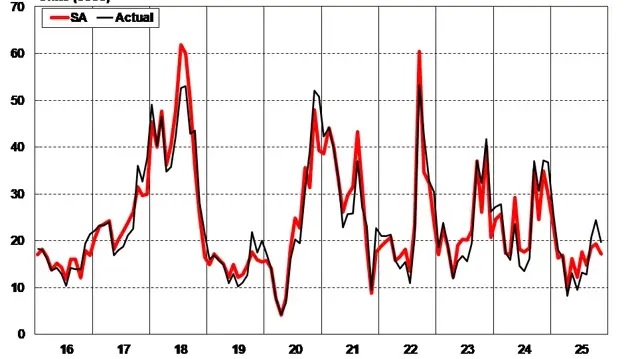
Decline in Orders for Heavy Commercial Vehicles
Dec 19, 2025 at 2:43 PM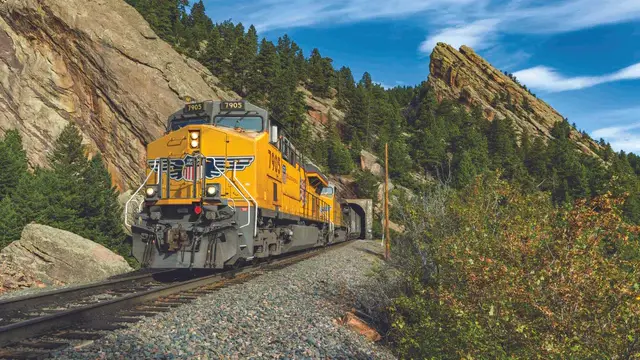
Union Pacific and Norfolk Southern Apply for Merger
Union Pacific and Norfolk Southern have submitted a request for approval of their merger to the Surface Transportation Board (STB). The two companies signed a merger agreement on July 29, 2025, to create the first transcontinental railroad in the United States. The nearly 7,000-page application includes comprehensive details on how the combination of the two railroads will enhance competition and provide broad public benefits. According to the companies, 2,000 letters from stakeholders support the application, and shareholders of both companies voted 99% in favor of the merger.
Competition and Efficiency Improvement
The planned transcontinental railroad will connect the U.S. from coast to coast and convert 10,000 existing interline transport routes into faster and more efficient single trips. This aims to eliminate time-consuming transfers between the railroads. The merger is expected to increase efficiency in freight transport by saving an estimated 2,400 railcar and container handlings and 60,000 rail miles daily. Additionally, existing competitive alternatives for three of the over 20,000 customer locations served solely by Union Pacific and Norfolk Southern will be maintained.
The merger will also help intensify competition with long-haul trucking by shifting an estimated 2 million truckloads from the road to rail annually. Union Pacific and Norfolk Southern have also committed to protecting all existing union jobs. Every employee with a union job at the time of the merger will continue to have such a job, and the growth of the merged company is expected to create approximately 900 new union jobs in the third year following the merger.
The companies plan to invest a total of $2.1 billion in additional capital expenditures to support revenue and cost synergies and expect annual capital synergies of $133 million. „We look forward to working with the Surface Transportation Board as it reviews our historic application to create America’s first transcontinental railroad,“ said Jim Vena, CEO of Union Pacific.
Public Benefits and Economic Impact
The merger is considered a classic end-to-end merger, as each railroad currently serves its own geographic region. Connecting the two systems will create a transcontinental network that allows freight to be transported over congested transfer points and enables the selection of the fastest and most cost-effective route. This will lead to significant public benefits, including enhanced affordability and competitive options for customers in nearly every major corridor.
A seamless transcontinental rail network will also help reduce road congestion by shifting an estimated 2 million truckloads annually from the road to rail. This will result in less traffic, safer roads, and reduced wear on taxpayer-funded roads. Furthermore, the merger will improve access to global markets by providing efficient and flexible access to more than 100 ports and 10 international crossings to markets in Canada and Mexico.
The merger will also contribute to emission reductions, as rail is already the most sustainable way to transport freight over land. According to the Association of American Railroads, rail transport has about 75% lower carbon emissions than trucking. The merger will further reduce emissions by taking more trucks off the road and utilizing more efficient technologies.
The companies have also committed to maintaining support for passenger rail services and fulfilling all existing obligations to Amtrak and commuter rail services.
The application from Union Pacific and Norfolk Southern to the STB is publicly available on the STB’s website.