
Zeitfracht Logistics Orders 25 New Ford Trucks from F-Trucks
Oct 18, 2025 at 8:02 PM
The Logistics Insights with Three Scenarios for the Logistics Year 2026
Oct 20, 2025 at 7:14 PM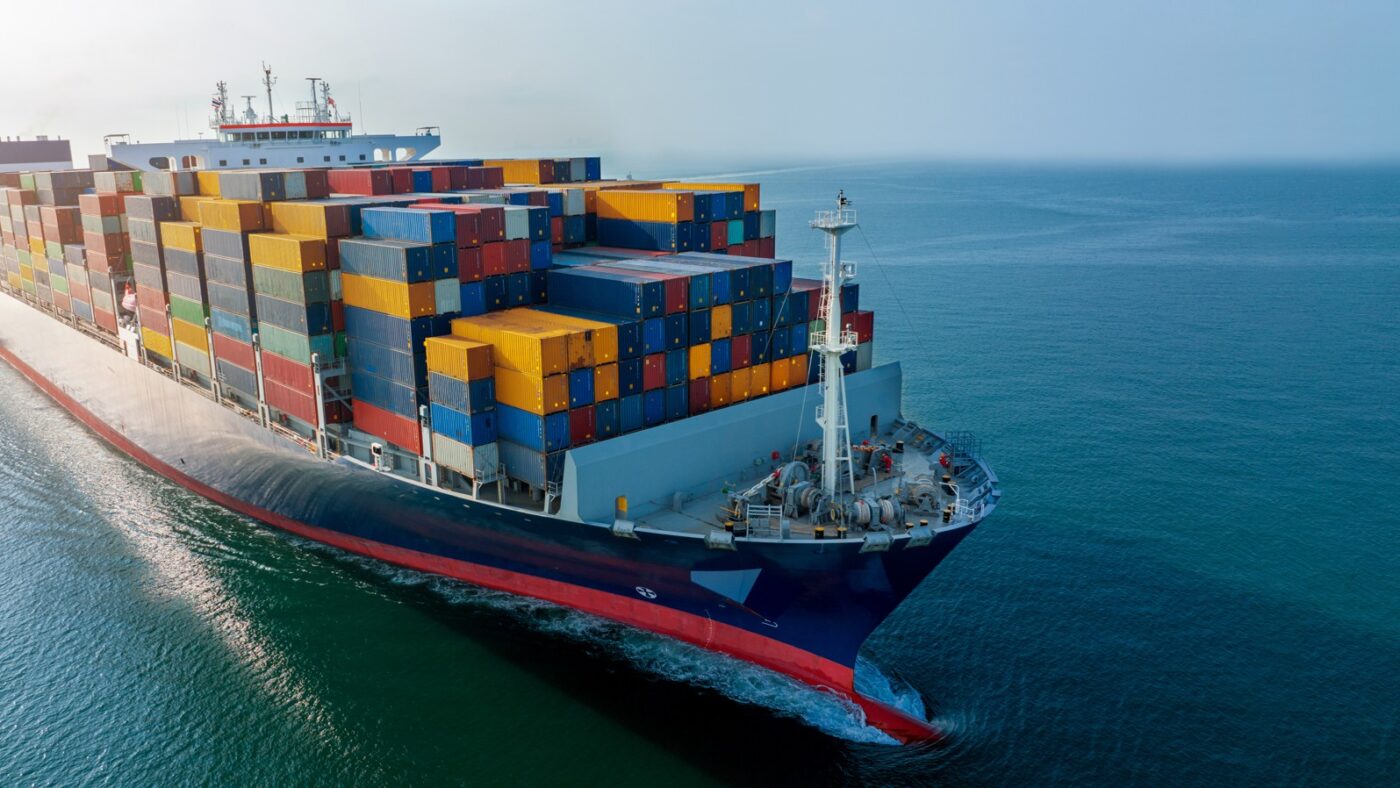
The member states of the International Maritime Organization (IMO) were unable to agree on global climate protection regulations for shipping this week and have postponed their decision until next year. This is intended to allow more time for further discussions. When exactly the negotiations will resume is unclear. The chance for uniform and effective global rules has thus receded into the distance.
(Hamburg) “This is a setback. Whether a consensus can be reached next year remains highly doubtful,” says Martin Kröger, Managing Director of the German Shipowners’ Association (VDR). “A pause can help, but it must not become a permanent state. If the decision continues to be postponed, the process risks coming to a complete standstill.”
“The shipping industry has had a clear position for a long time,” emphasizes Kröger: “We need a global, uniform regulatory framework for climate protection in shipping.” But in the IMO, countries make the decisions, and while some countries like the USA loudly and forcefully opposed a global framework, the EU remained too quiet. “Right now, the EU could have turned the tide with clear words and a willingness to adapt its regional regulations to a global system. Instead, it remained silent and completely underestimated the changing mood of some states in the plenary,” Kröger continues.
The negotiations were at a turning point; a clear signal from the EU could have enabled a breakthrough: Perhaps an agreement would have become more likely if the EU had been willing to set aside its regional measures in favor of an effective global instrument under the IMO and had communicated this clearly. Instead, there were only vague announcements to check existing EU regulations like the Emissions Trading System (ETS) or FuelEU Maritime for compliance with future IMO requirements. Unfortunately, a clear commitment was lacking.
Every additional special regulation means more bureaucracy, less clarity, and ultimately harms effective climate protection. Kröger further states: “It was a great opportunity for the EU to finally follow up on its announcements with actions: reduce bureaucracy, end duplicate structures, and put Europe’s competitiveness back at the center. But it went unused.”
Quickly resume talks with the IMO
The VDR calls for the talks in the IMO to be quickly resumed and for an agreement on a global framework for the decarbonization of shipping to be reached despite the pause for the agreement announced today. Shipping is global, and climate protection in shipping must be as well. If each country and region issues its own regulations, climate protection becomes more expensive, complicated, less effective, and fair competition is thrown out of balance. Shipping finally needs a clear global framework.
Photo: © Loginfo24