



Austrian Post Relies on Electric All-Wheel Drive Vehicles in the Mountains
Aug 12, 2025 at 6:20 PM
Air Cargo Community Frankfurt Celebrates 10th Air Cargo Conference
Aug 14, 2025 at 4:22 PM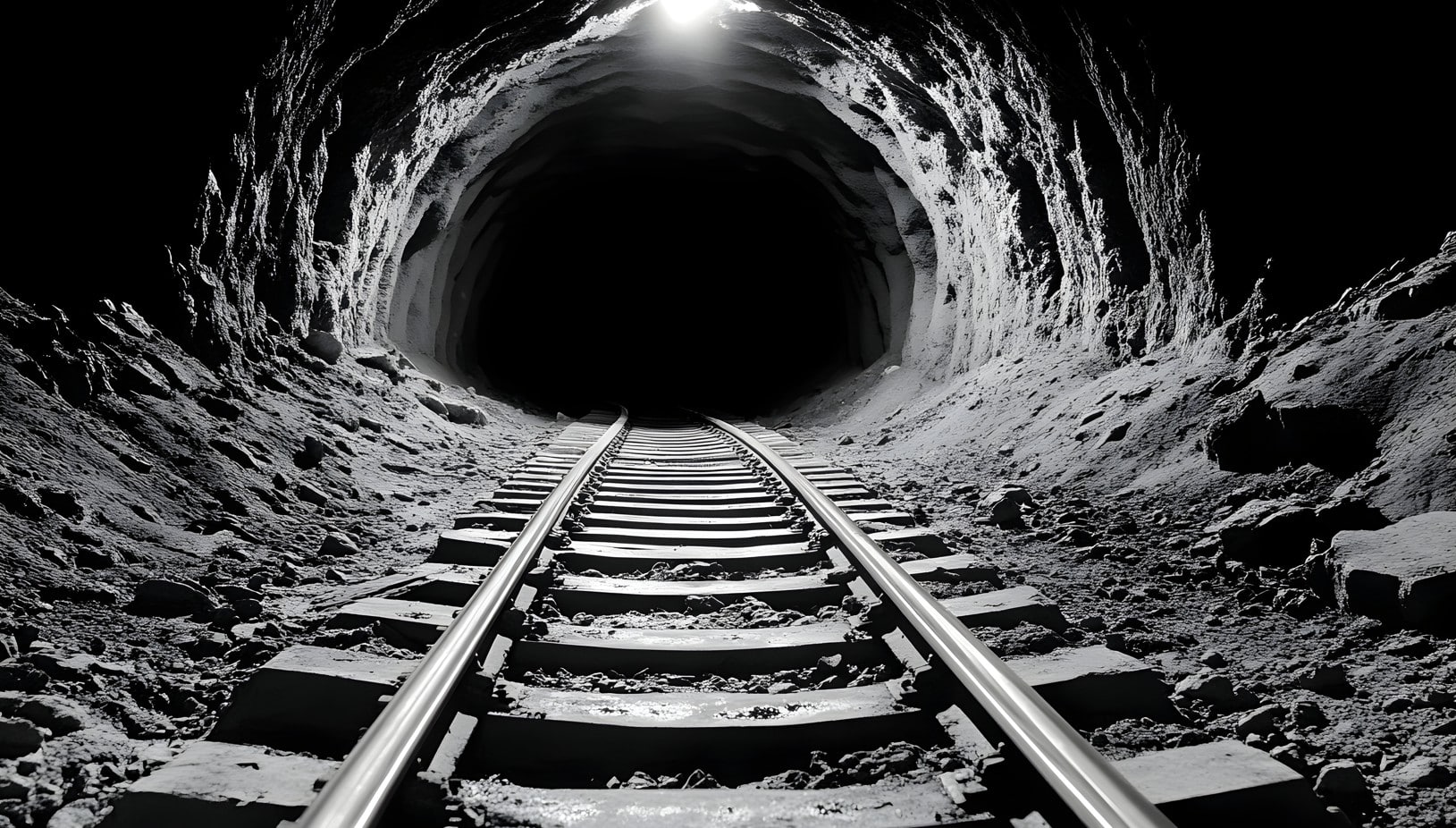
Yesterday, on August 12, the collapse of the Rastatt Tunnel marked its eighth anniversary. One of the tunnel tubes collapsed in 2017 just before the structural completion of the entire railway tunnel – fortunately without any injuries. As a result, there was no train traffic for seven weeks between Rastatt and Baden-Baden or between the North Sea ports and Northern Italy over the only operational connection.
(Berlin) There is no public clarification regarding the cause of the collapse or who will ultimately bear the additional costs.
Neele Wesseln, Managing Director of FREIGHT RAILWAYS, comments:
Nele Wesseln
“Eight years after the worst construction disaster in recent railway history, it is unacceptable that the final report on causes, additional costs, and responsibilities has still not been made public. The public interest in transparency is enormous – after all, it concerns millions of euros and the question of whether similar mistakes can be avoided in the future. We fear that additional costs will be covered at the expense of other urgently needed infrastructure projects from the federal budget.
Furthermore, the tunnel is hardly usable for heavy freight trains. With its gradient of 12.5 per mille, it forces some trains to continue to travel through Rastatt, even though the tunnel was built, among other things, to reduce noise pollution and to get traffic out of the city. This is not only a planning failure but a memorial that future major projects must be more aligned with the needs of freight transport – not just with the passenger transport that is supposedly more relevant to politics.”
Gradient at the beginning and end of the tunnel is crucial
The gradient at the beginning and end of tunnels is crucial for the operation of different types of traffic. Since the heaviest trains operate in freight transport, they particularly rely on a lower gradient (ideally max. four per mille). The Rastatt Tunnel was constructed according to the then-valid regulations of DB Netz AG in such a way that light and acceleration-strong passenger trains can easily traverse the ramps built with 12.5 per mille, but heavier freight trains cannot. These would then have to continue to travel through the city as before – all the more macabre, as the tunnel was primarily built to divert noise from the city. As freight transport increasingly involves longer and heavier trains, this route is not equipped for the future of rail freight transport.
Photo: © Loginfo24 / Image caption: Symbolic image