



Bertschi Group Receives 1,500th DAF Truck
Oct 29, 2024 at 6:35 PM
RheinPorts GmbH Restructures with Trio at the Helm
Oct 31, 2024 at 5:44 PM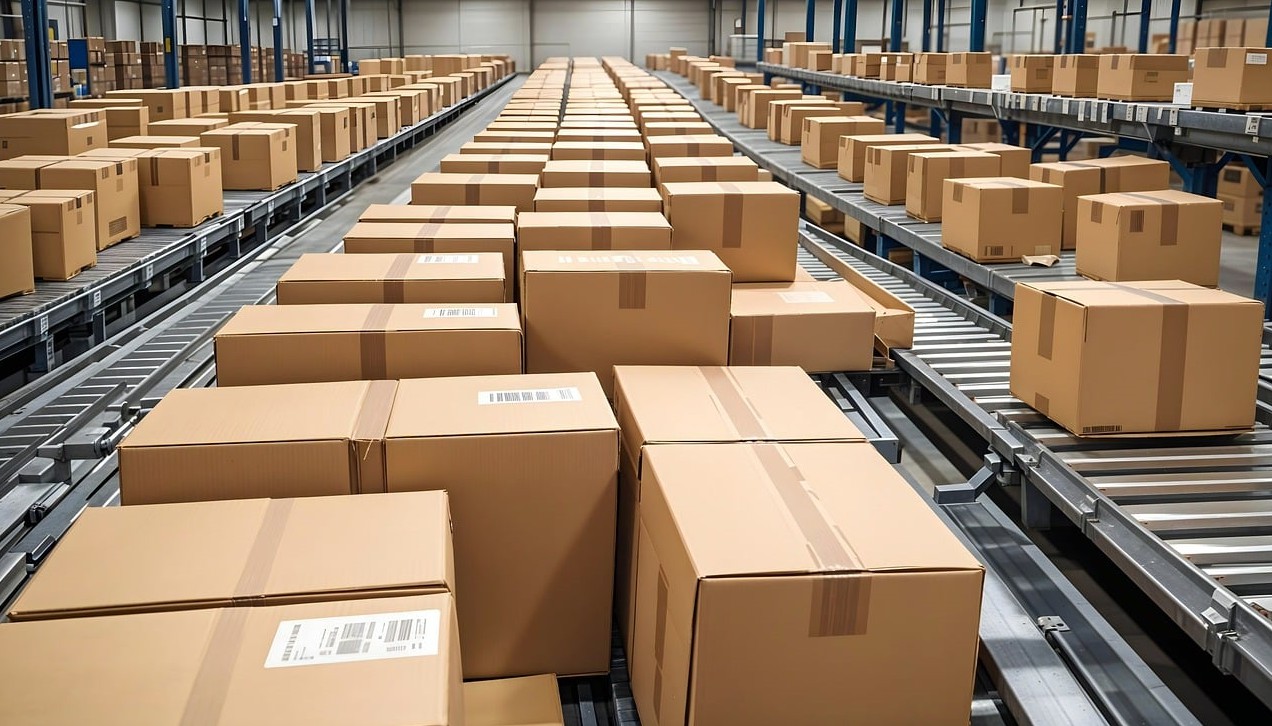
The so-called “Golden Quarter” refers to the last three months of the year. With Black Friday, Cyber Monday, and the holiday season, this is the most intense and lucrative time of the year for retail. However, logistics and transportation providers face significant challenges: massive increases in demand, tight delivery deadlines, labor shortages, and unpredictable external disruptions such as extreme weather conditions.
(Bad Homburg) Retailers and logistics companies must prepare in advance to ensure smooth operations. Even a small delay or mistake can lead to dissatisfied customers, canceled orders, or lost revenue. The crucial question is: How can logistics companies master the “Golden Quarter” without collapsing under pressure?
Increased Demand and Capacity Constraints
In the last months of the year, the business for decorative items, gifts, and other seasonal products booms – both online and in-store. The increased demand puts pressure on supply chains. Retailers heavily rely on transportation providers during this time to deliver goods quickly and efficiently. However, the increased order volume often leads to overcrowded trucks, capacity constraints, and logistical bottlenecks.
The Solution: Advanced forecasting tools that utilize historical data and artificial intelligence (AI) help logistics companies predict demand spikes. By anticipating increased transportation volumes, companies can better allocate their resources, find available carriers, and manage capacities more effectively.
Tight Delivery Deadlines and Increased Time Pressure
The supposedly most wonderful time of the year means not only more orders for retailers – they also have to process them faster. Consumers expect their orders to arrive in time for the holidays, especially when it comes to gifts. Retailers often advertise fast or free delivery to attract customers, further shortening the already tight delivery times.
Delivery delays during this period can have serious consequences for retailers, including lost revenue, order cancellations, and damage to their reputation. Logistics providers are therefore under enormous pressure to meet tight delivery deadlines and avoid delays at all costs.
The Solution: Highly developed routing tools and algorithms provide the ability to optimize delivery times considering real-time factors such as traffic, weather, and road conditions. This allows for route re-planning, more efficient resource allocation, and flexible responses to changes. By automating decisions and optimizing fleet management, logistics providers can ensure on-time deliveries while keeping costs in check.
External Disruptions: Weather and Unforeseen Events
While internal challenges such as labor shortages and capacity constraints can be managed through careful planning, external disruptions are often unpredictable. Extreme weather conditions like snow or hurricanes, as well as geopolitical events, can lead to delays, detours, and increased costs. As climate change exacerbates such events, it is expected that these disruptions will increase in frequency and severity.
Currently, for example, the ongoing unrest in the Suez Canal shows the impact such a situation can have on global shipping: The latest Ocean Shipping Index from e2open indicates that due to the diversion around the Cape of Good Hope, the transport of goods from Asia to Europe – from booking to arrival at the destination port – took 14 days longer in the second quarter of 2024 than in the second quarter of 2023.
The Solution: Advanced technologies, particularly AI-powered risk assessment tools, can help logistics companies identify potential disruptions early. Real-time analytics platforms monitor weather conditions, traffic jams, and other external factors, enabling companies to make quick decisions about alternative routes or delivery times. By utilizing predictive analytics and real-time tracking systems, logistics companies can minimize delays and maintain service even in unforeseen events.
About e2open
E2open is the connected supply chain software platform that enables the world’s largest companies to transform the way they produce, move, and sell goods and services. With the most comprehensive cloud-native global platform specifically designed for modern supply chains, e2open connects over 480,000 manufacturing, logistics, sales, and distribution partners as an enterprise-wide network that handles over 16 billion transactions annually. Our SaaS platform anticipates disruptions and opportunities to help companies improve their efficiency, reduce waste, and operate sustainably.
Photo: © e2open