


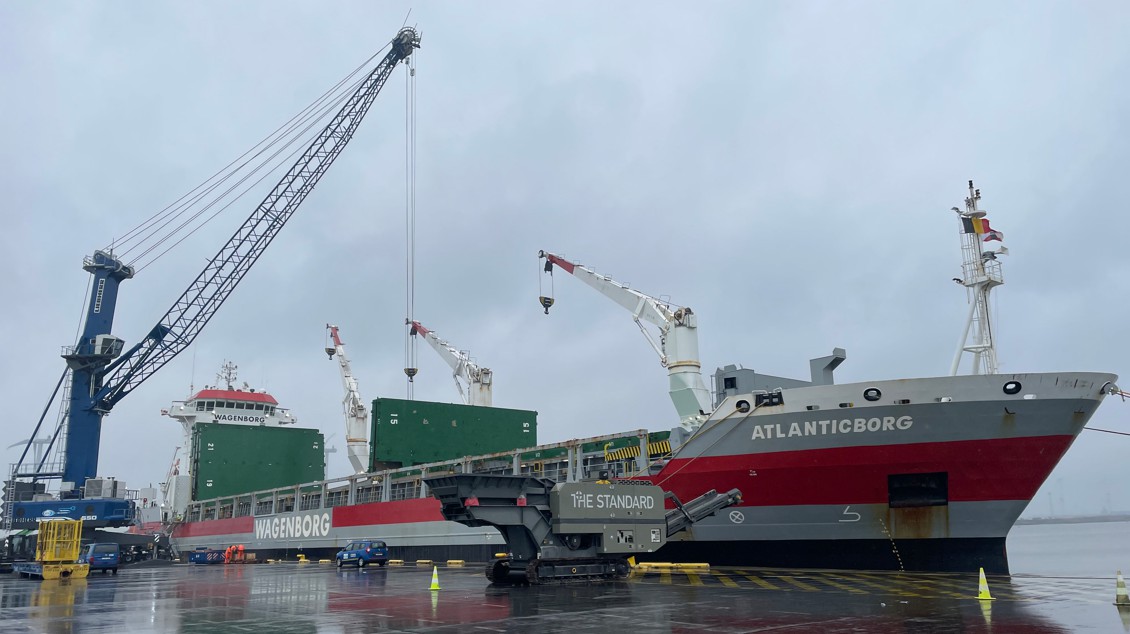
Liebherr delivers second port crane to ICO in Antwerp
Oct 22, 2024 at 5:15 PM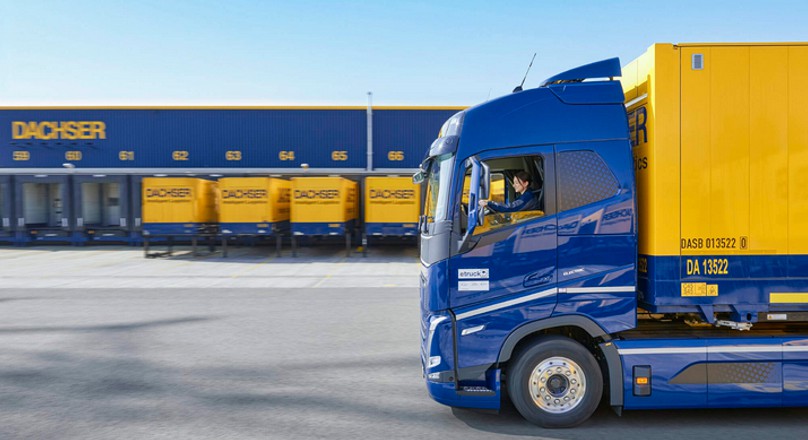
DACHSER Implements Solution for Economical Driving
Oct 22, 2024 at 5:41 PM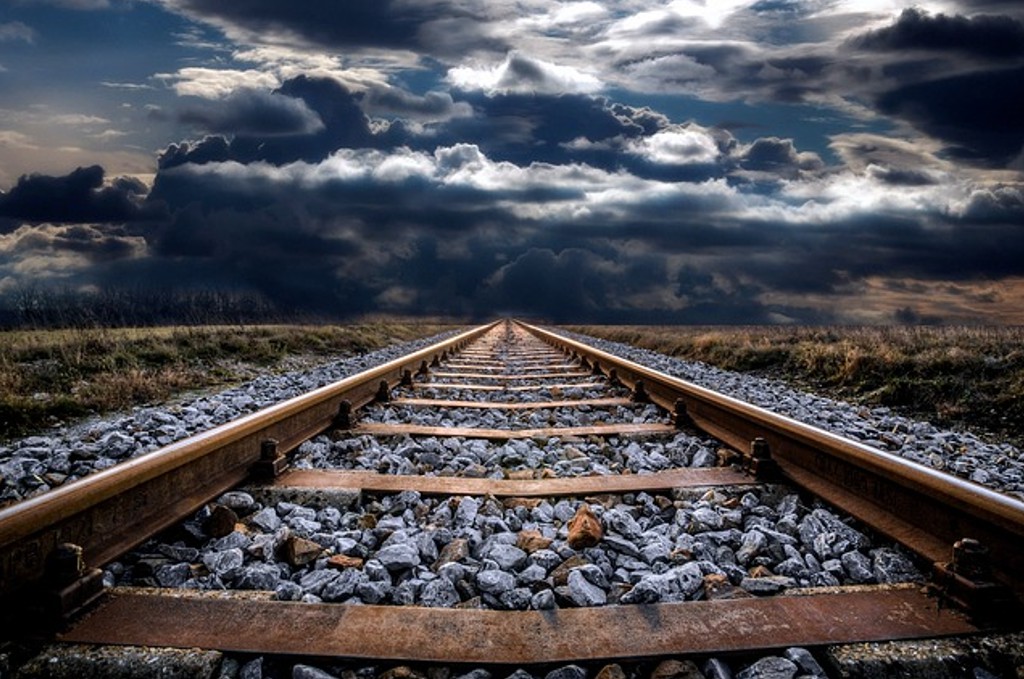
A coalition of DIE GÜTERBAHNEN, the Association of the Chemical Industry (VCI), the Association of German Transport Companies (VDV), the Alliance pro Schiene, and the Association of Freight Car Holders (VPI) is calling for the subsidy to be raised to the usual amount of at least 350 million euros by the end of 2023, thus making adjustments before the budget reconciliation meeting on November 14.
A broad coalition of associations appeals to budget planners to mitigate the drastic increase in track prices. The requested increase in track price subsidies for rail freight transport has so far been overlooked by numerous industry stakeholders. As a result, rail freight transport is at risk of becoming more expensive.
So far, the federal government has allocated nearly 275 million euros for track price subsidies in rail freight transport in its budget proposal. For the industry, this amount means that the expected subsidy rate for 2025 will likely be just over 30 percent. Until 2023, a subsidy of up to 60 percent was common. This poses a significant challenge for companies currently negotiating with their customers for the upcoming year. They are once again forced to conduct all negotiations only “subject to change.” Cost increases, in light of a 16.2 percent increase in track prices starting at the end of 2024 and the insufficient track price subsidy, will be passed on to freight customers. This has negative consequences for the competitiveness of rail freight transport – and is likely to ultimately lead to traffic being lost to the cheaper road freight transport.
Neele Wesseln, Managing Director of GÜTERBAHNEN: “Our members reflect that track prices dominate their customer discussions. The Ministry of Transport has been concerned for over a year and promises solutions – so far without discussions with the affected companies. Parliament can and must immediately provide economic support in the interest of our climate if there is a consensus that even more trucks should not clog our roads in the future.”
Thilo Höchst, VCI Department Head for Environmental Protection, Plant Safety, Transport: “The railway is a main artery for the chemical industry. The sharply rising track prices are also burdening our industry. Companies in the chemical industry would like to transport more by rail. Therefore, the increase in track price subsidies is all the more important as a short-term relief.”
VDV Vice President Joachim Berends: “40 percent or more of operating costs for some railway companies are now attributable solely to track fees. This is no longer economically viable. The primary goal must be to ensure that both freight railways and passenger railways remain competitive and do not go bankrupt due to ever-increasing cost burdens. The VDV proposes a comprehensive restructuring of the federal railways’ track pricing system and has submitted two viable proposals.”
Dirk Flege, Managing Director of Alliance pro Schiene: “If the Bundestag and the federal government do not counteract at the last moment, we will get the opposite of the announced shift policy in freight transport. Such a sharply rising rail toll not only acts as a brake on the shift from truck to rail, but actually leads to a shift back to the road. A significantly higher track price subsidy is the only quick solution.”
Harming the Most Environmentally Friendly Mode of Transport
Malte Lawrenz, Chairman of VPI: “A massive increase in track prices threatens to sustainably harm the most environmentally friendly mode of transport and rob it of its competitiveness. We, as car holders and workshops, also feel the consequences. In our position paper ‘Car Holders Sound the Alarm,’ we demand from politics both relief through an increase in track price subsidies for the coming year and a fundamental reform of the track pricing system to escape the price spiral.”
Photo: © Loginfo24