



time:matters launches cargo.one platform worldwide
Sep 20, 2024 at 3:18 PM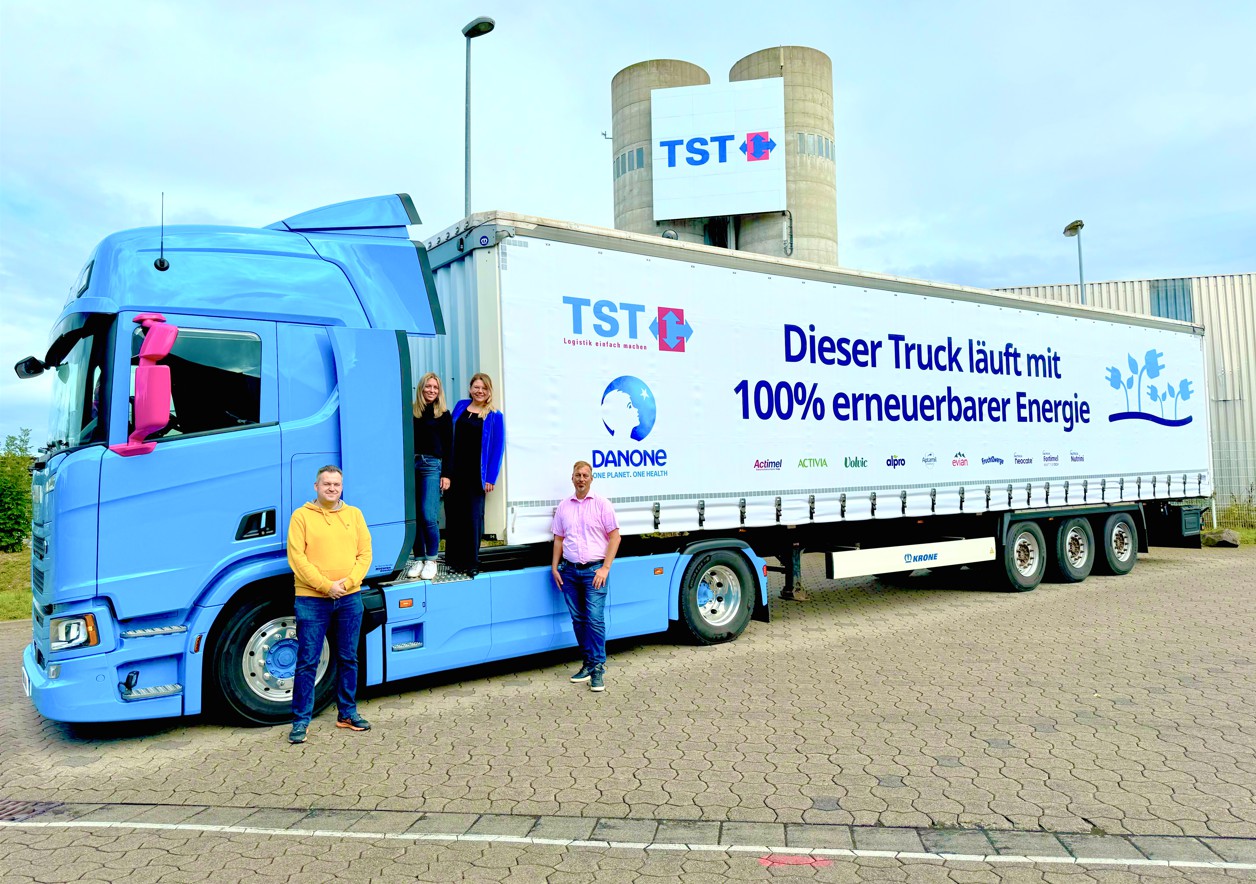
TST and Danone Rely on E-Mobility in Worms
Sep 20, 2024 at 4:15 PM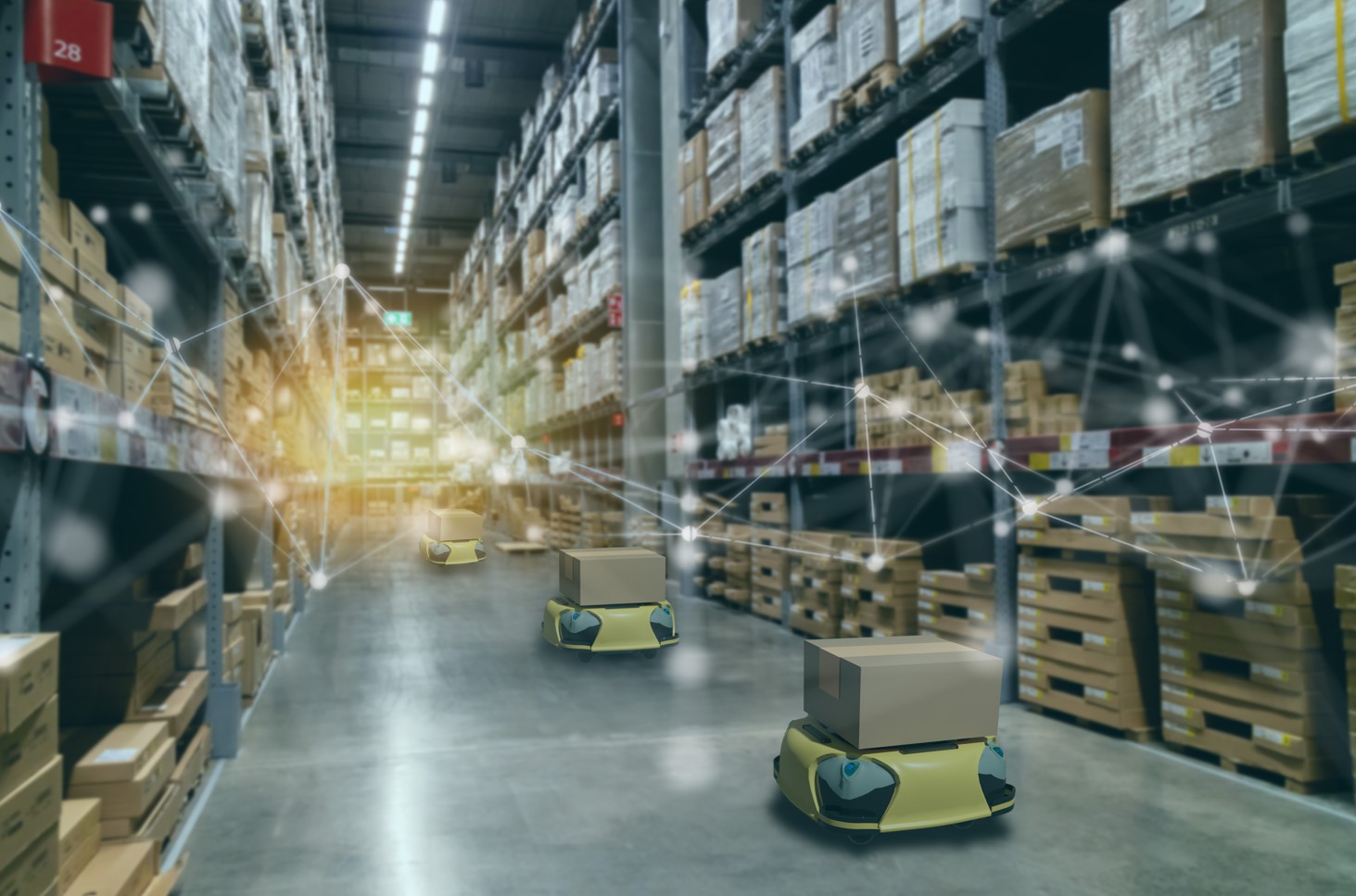
At LogiMAT 2024, Logistics Reply won the BEST PRODUCT award with its intelligent WMS assistant LEApedia. The bidirectional AI application enables efficient and rapid data retrieval in the warehouse management system. Since 2015, the software provider has been implementing Artificial Intelligence (AI) in its cloud-native WMS product suite LEA ReplyTM.
(Gütersloh) Lina Sophie Schmidt spoke with Alexander Edelmann, Associate Partner at Logistics Reply, about the advantages of AI in logistics and how the industry is expected to develop in the future.
Mr. Edelmann, AI is currently the trending topic in intralogistics. Why is this topic gaining so much momentum right now?
The market for AI in logistics is growing rapidly. Almost every company is now experimenting with Artificial Intelligence – whether as a provider or as a user of warehouse management systems. The current AI hype in logistics was amplified by the Chat-GPT boom last year. Even though the digital processing of the supply chain in WMS has already led to shorter lead times and an optimized process overview, the potential is far from being fully utilized. Intelligent AI applications address precisely where conventional WMS concepts reach their limits.
In this context, what do you think the warehouse of the future will look like?
In my view, AI is a growth driver for the entire logistics industry. Its use opens up entirely new optimization potentials for the industry, as many tasks in logistics can be implemented much more resource-efficiently and effectively. In addition to economically designing the WMS, the use of AI makes the supply chain more resilient: For greater planning security, AI makes corresponding predictions based on analyzed data streams during order fluctuations. At the same time, AI increases efficiency in the warehouse and can counteract the effects of the skilled labor shortage – as AI recognizes implicit data dependencies and makes more precise decisions with less personnel effort. Currently, some logistics companies still face barriers regarding the required expertise and the complexity of the AI topic. Therefore, we place great importance on ensuring that our AI applications are easy to use and user-friendly. Our intelligent AI assistant LEApedia, for example, allows users of varying qualifications to ask questions in natural language. The system finds the appropriate answers in the existing data pool much faster than a lengthy manual search.
What are the advantages of using AI for WMS?
The demands for an efficient supply chain are constantly increasing. This puts the deployed warehouse management systems under scrutiny. The central advantage of using AI in logistics lies in the structural efficiency increase: AI is capable of extracting, sorting, and evaluating data patterns from the existing data pool. By merging and analyzing various data streams, relationships between individual data can be better understood and assessed. This intelligent collection and evaluation of data saves a lot of time, reduces error susceptibility, and makes the supply chain significantly more transparent for all parties involved. Depending on the application case, specific advantages come into play. For instance, operational warehouse processes can be structured and managed through the AI-supported real-time overview of stocks, just as yard management can be enhanced through tracking yard activities. These are just a few examples of how such AI applications can significantly ease the daily work of logistics employees.
How flexible are AI-supported WMS applications compared to conventional solutions?
AI applications in WMS are significantly more flexible than traditional software solutions for warehouse management. With a cloud-native WMS base, AI modules can be integrated as needed and scaled across multiple warehouse locations worldwide – without slowing down or interrupting daily operations. This is made possible by the modular structure of our business suite LEA ReplyTM. The WMS is based on microservices and so-called REST APIs, which are maximally flexible interfaces. Both ensure that the modules can be easily duplicated and updated independently of each other. Updates also occur without interrupting ongoing operations. Thus, the individual AI modules are much more flexible and scalable in application than conventional WMS, which must be installed on-site at each respective location. Additionally, the AI applications are specifically tailored to the respective customer requirements and software environments, making them suitable for all user groups.
Alexander Edelmann is an Associate Partner at Logistics Reply and is responsible for the entire German-speaking region. He has extensive knowledge as a supply chain expert and has over 15 years of experience in logistics, warehouse management, and IT. His career includes positions at Fraunhofer IML and PSI Logistics GmbH.
From his perspective, Artificial Intelligence will shape the future of the logistics industry and increasingly support users of logistics software in demanding tasks such as optimized order planning.
Photo: © Loginfo24