


LBS Calls for Greater Acceptance of Logistics Properties
Aug 23, 2024 at 9:52 PM
Dr. Simon Wey Appointed New Managing Director of VAP in Switzerland
Aug 27, 2024 at 1:35 PM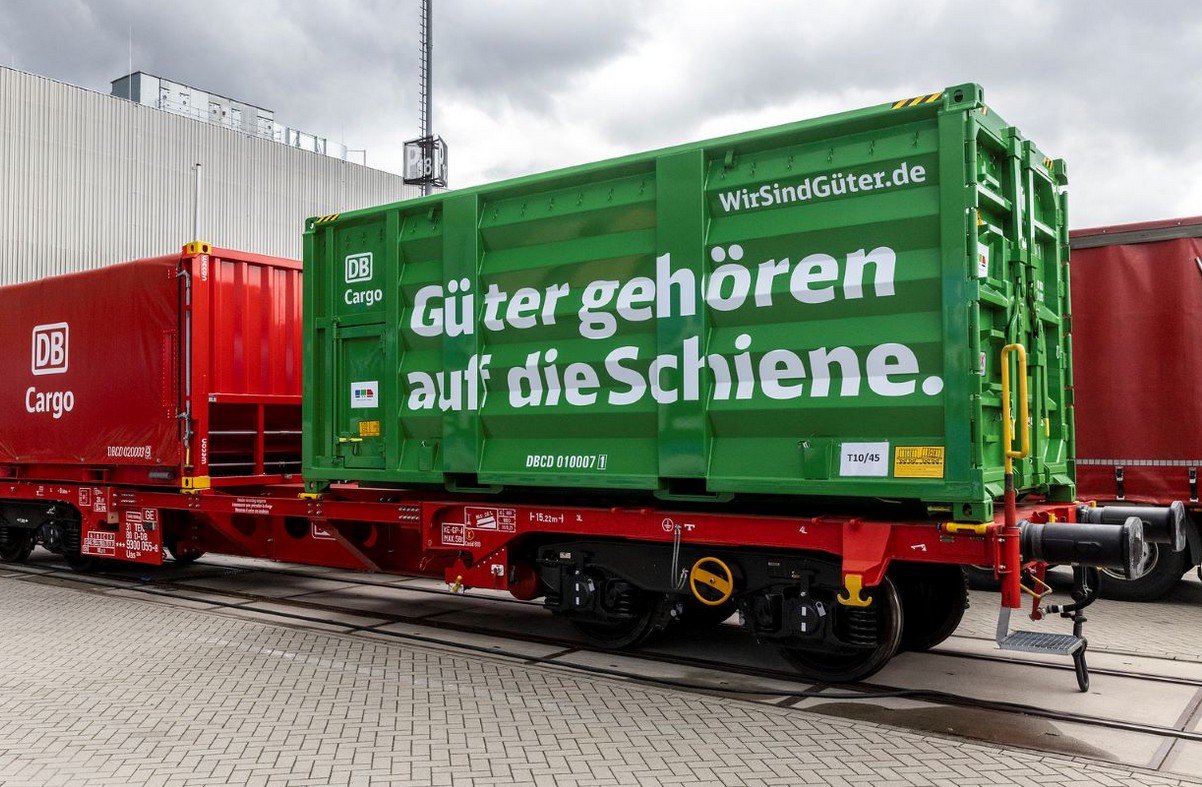
Reports in various media state that Deutsche Bahn is no longer allowed to offset the losses of its freight subsidiary DB Cargo in the future. However, since DB has incurred a loss of 2.4 billion EURO overall in 2023, it is questionable how this has been possible so far. If this must indeed be implemented, the question arises whether the subsidiary DB Schenker, which made a profit of 1.1 billion in 2023, should really be sold.
By: Andreas Müller
(Berlin/Mainz) If Deutsche Bahn is no longer allowed to offset the losses of DB Cargo, a number of questions arise. The first is how a freight railway within the DB Group will continue if the loss offsetting is removed. The overall group reported a loss of around 2.4 billion euros in 2023, making it a case for restructuring itself, and from which funds have the holes of DB Cargo been filled so far? In the first half of 2024, the group has already incurred another 1.2 billion in losses. Allegedly, DB Cargo is to be given two years to return to profitability. This is pure wishful thinking.
“Freight Belongs on the Rails”
One would also have to say goodbye to this slogan of DB Cargo. Subsidized transport for the sake of the environment would likely have to give way to cost-benefit considerations and would end up back on the road. The goal of the unconditional shift of freight transport to rail would have to be abandoned. It would likely not be well received in the EU if the state were to fill the financial gaps of DB Cargo, which would also run counter to the interests of private freight railways.
How Can DB Cargo Continue?
In a serious scenario, DB Cargo will have no choice but to focus on profitable businesses in rail freight transport. This is what the competition, which has to manage without subsidies, has been doing for a long time. Profitable services include traction services for operators in intermodal and combined transport. Here, the stakes in companies like Kombiverkehr, Transfracht, or DUSS would provide supportive assistance.
Even block trains, as long as they are not purely propaganda events, can be a viable option, especially if they can run from siding to siding. However, single wagon traffic would likely become a thing of the past, regardless of automatic coupling and digitization.
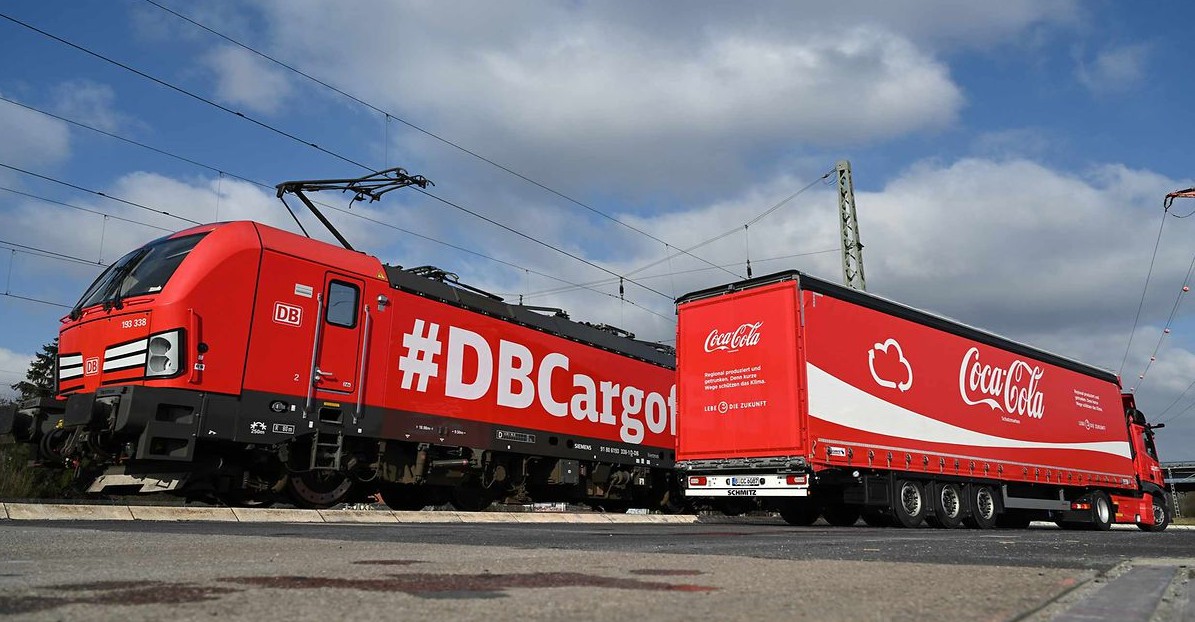
Block trains, like this one with Coca Cola, can be a profitable option, provided they are not purely advertising events.
A radical reduction in administrative personnel will also be necessary. Implementing this will either be very lengthy and/or very costly. The laws in Germany hinder a quick solution.
Merge DB Schenker with DB Cargo Instead of Selling?
If the freight division must stand on its own feet, then the big question arises whether selling DB Schenker really makes sense. There are reportedly only two bidders left in the race: the Danish logistics company DSV and a group of financial investors around the company CVC. The sum in question is said to be 14 billion euros. If DSV wins the bid, then Schenker will be history after 152 years, as the Danes have no sentimentalities. What the financial investor CVC will do with Schenker remains open.
Would it not be more sensible to merge DB Schenker and DB Cargo? But then please under the leadership of Schenker, so that the logistics know-how dominates, and DB Cargo would have to detach itself from the state. DB Schenker regularly generates profits of over 1 billion euros per year, while DB Cargo incurs losses of 500 million euros. This could balance out in the end.
Photos: © DB Cargo