

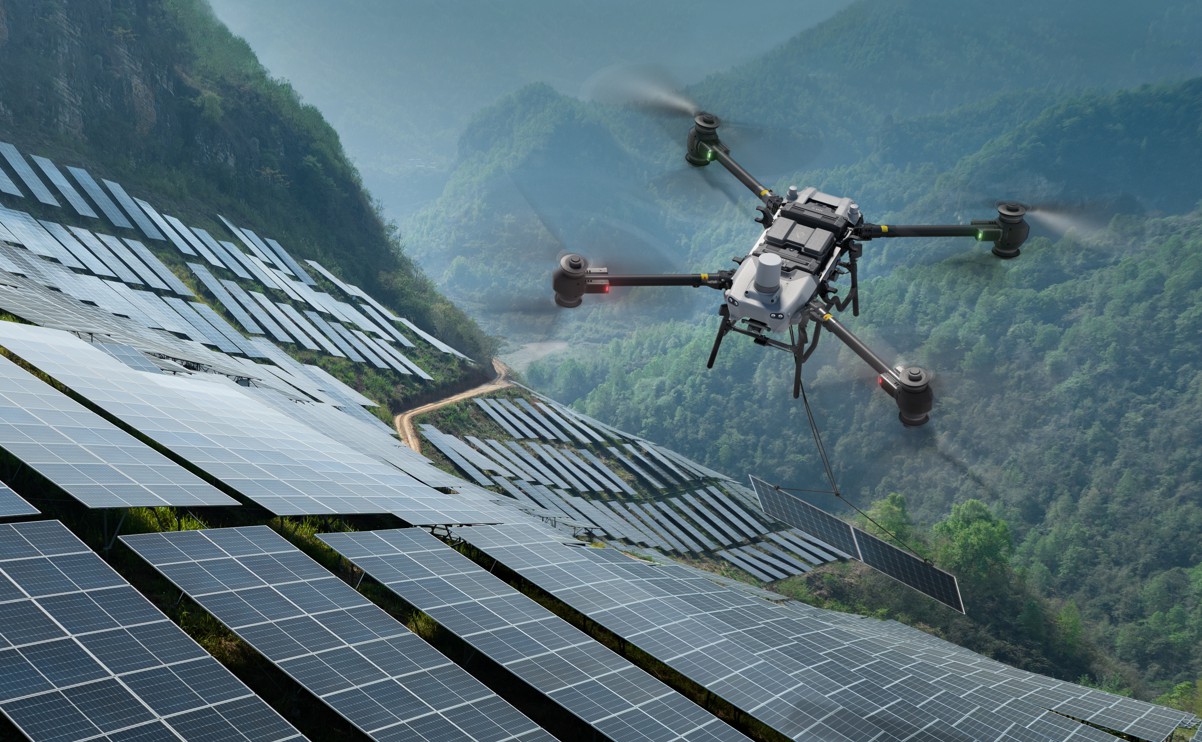
Alltron distributes DJI’s cargo drone “FlyCart 30” in Switzerland
Mar 26, 2024 at 4:53 PM
“Port Bridge Hamburg-Odessa” Sends Aid Shipment
Apr 2, 2024 at 7:02 PM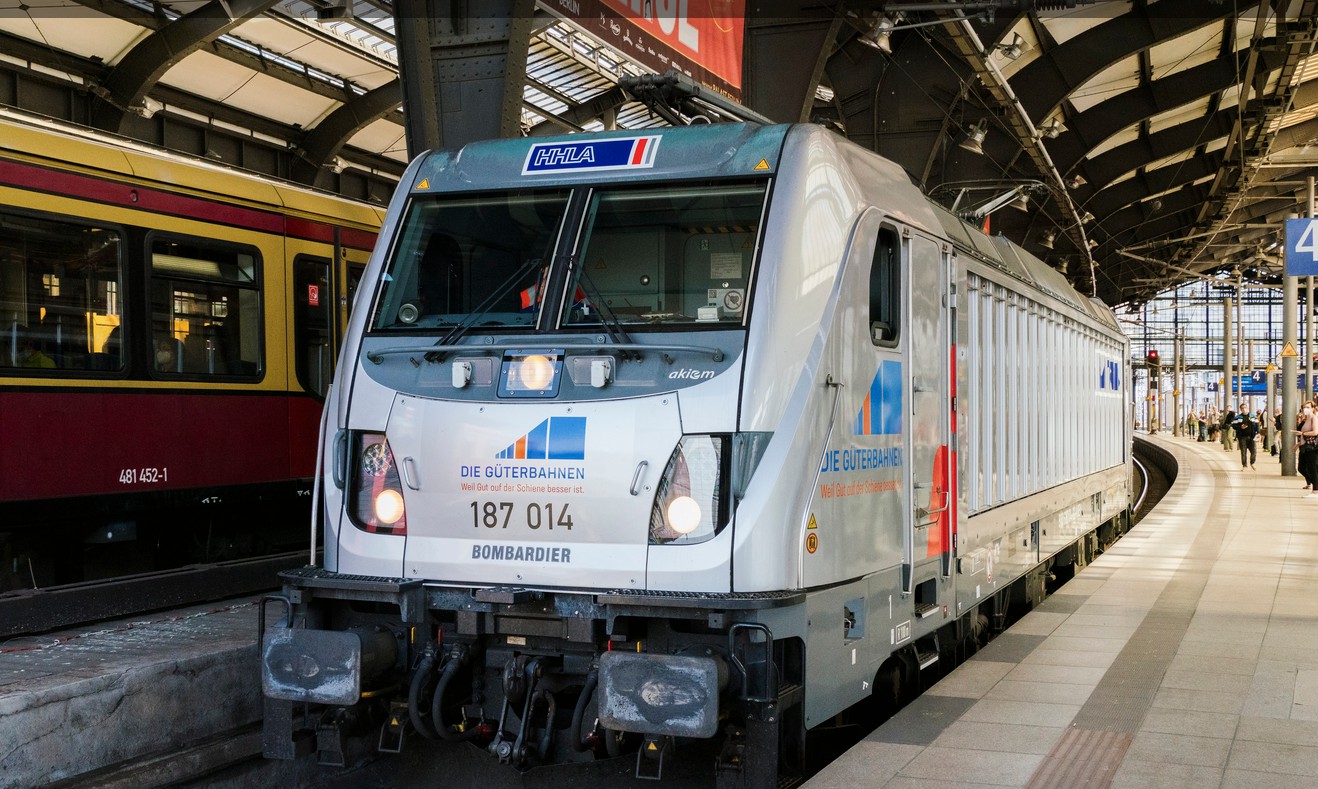
The Federal Network Agency has approved an increase in track prices in rail freight transport by 16.2 percent for the next year. The increase was requested by DB InfraGO, the formally public welfare-oriented rail infrastructure subsidiary of Deutsche Bahn AG, effective January 1, 2024. Despite all protests, the German government has taken no action against it.
(Berlin) “To put it in the usual PR formula of DB: Instead of orienting itself towards the common good, DB is launching the largest track price increase program in the history of the company,” comments GÜTERBAHNEN Managing Director Neele Wesseln.
The main driver is the maximum allowable profit claim, which the state-owned company can realize in its prices. Wesseln further states: “To be honest: We are not surprised. The approval request from DB dates back to late summer, and the federal government has done nothing against it despite all protests. On the contrary: because it was the easiest way to consolidate the budget, in December it additionally decided to cut federal funds for promoting track prices in rail freight transport by almost half, namely 171 million euros, of which the Bundestag withdrew 50 million euros. In the end, DB InfraGO wants more and more money for declining quality and additional cost burdens due to the growing number of construction sites.”
The price per kilometer for a standard freight train is set to be 3.73 euros from December 2024, which is 52 cents higher than this year. All previous (five) increases since the Rail Regulation Act came into force in 2016 – the basis for the formation and approval of track prices – are far below this: together they amount to less than half, namely 23 cents.
Wesseln: “The then Federal Minister of Transport Alexander Dobrindt attested that the new law would lead to lower track prices. However, what characterizes the track pricing system is only the helplessness of customers and the approval authority. A single increase request has been rejected by the Federal Network Agency. The higher revenue wishes of DB Netz had to be borne by passenger rail transport. From the beginning, we have criticized that DB and the federal government wanted to profit from the monopoly of rail infrastructure.”
Profit claim could explode
The Rail Regulation Act has been amended several times without correcting the flawed track pricing system. Initially, it allowed a legally permissible dream return of 5.8 percent, which is still 4.3 percent on the entire capital stock of the rail network. As a result of the annual equity contributions from the federal government that started in 2019, the possible profit claim that DB InfraGO AG can realize with its delivered customers also automatically increases. Should the federal government fulfill its intention to provide the currently planned additional funds of 20 billion euros for rail infrastructure as equity rather than as a grant, the profit claim will explode in the following years.
Wesseln: “The traffic light coalition had just over two years to intervene and correct the system. They did not use it and now stand before the ruins. The greatest irony is the recent rebranding of DB Netz AG to the public welfare-oriented DB InfraGO AG. The generation of profit as a corporate goal has never been removed from its articles of association, and it is now making extensive use of it. Instead of reducing costs, it imposes rising costs plus profit on the railway companies despite declining demand, and we predict that this will decrease the share of climate-friendly freight transport on rail. According to current figures from 2023, DB InfraGO has achieved an increase in revenue (plus 74 million euros) with fewer sold tracks (down 1.4 percent) thanks to its increased prices in 2023. Dreamlike – at least for DB and the federal owner.”
Price jump of 121 percent!
Together with the reduction of track price funding by the federal government, the track prices for all freight railways, including the company-owned DB Cargo AG and its subsidiaries, will see a price jump of 121 percent from early December 2023 to mid-December 2024. This is 31 percentage points more than the one-time increase in the truck toll last December (by about 90 percent). Wesseln concludes: “I have two questions for the Minister of Transport. Where is this journey heading if supposedly ‘extremely much’ is being controlled at DB InfraGO? And how does the federal government plan to compensate for this weakening of rail in competition with trucks to achieve its growth target of 25 percent market share and its climate goals? I would like to remind you that the unabridged continuation of track price funding was part of the government’s immediate climate protection program for transport.”
Photo: © THE FREIGHT RAILWAYS