


SSI SCHÄFER Reports Strong Revenue Growth in 2023
Mar 1, 2024 at 6:27 PM
TU Graz with Project on Handling Polybags in the Parcel Sector
Mar 1, 2024 at 7:29 PM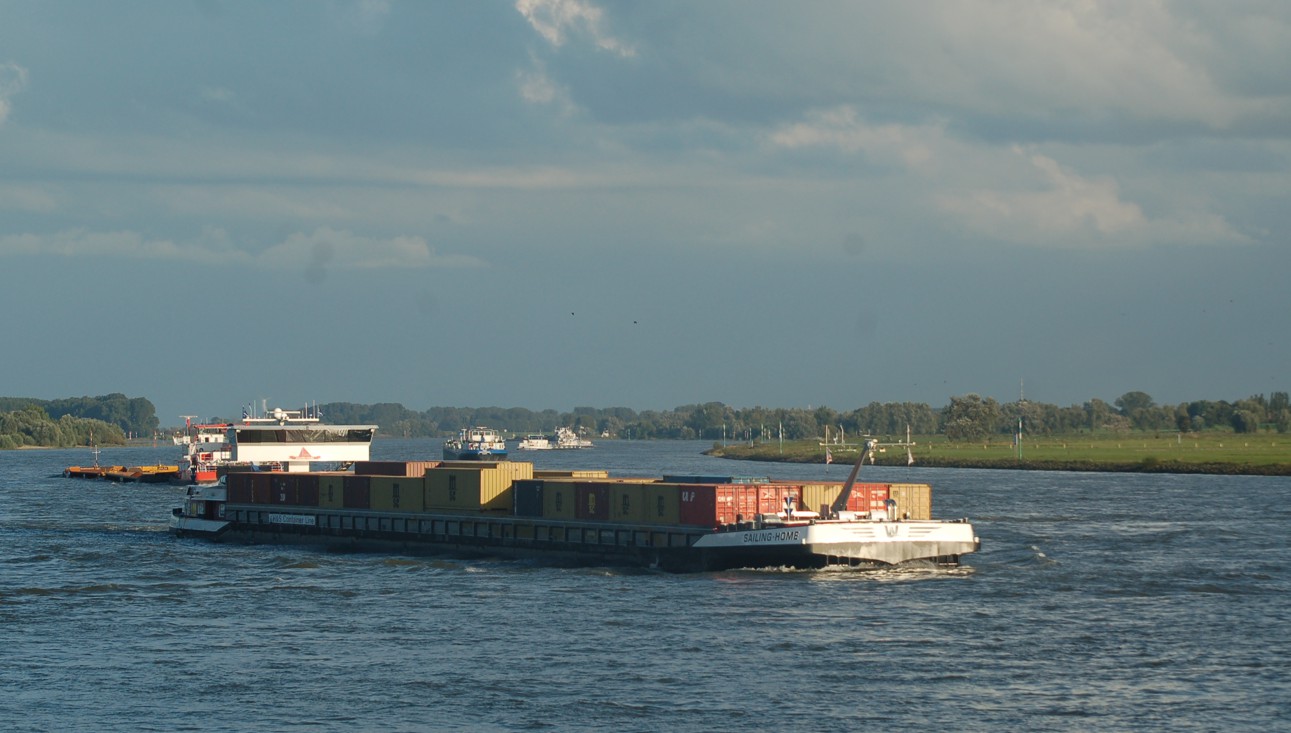
The Federal Office for Logistics and Mobility (BALM) has analyzed the development of container traffic on waterways and rail over a longer period. From 2005 to 2022, container transport in rail freight transport in Germany increased from nearly 4.2 million TEU by around 85.9% to approximately 7.7 million TEU, particularly due to positive developments in the hinterland of the Port of Hamburg.
(Köln) A significant reason for this was the share gains of rail freight transport in the modal split. Similar to Hamburg, rail freight transport in Bremerhaven also recorded corresponding share gains in the modal split; however, the absolute increases in container transport by rail were comparatively lower.
In inland shipping on German waterways, container traffic increased from around 2.1 million TEU in 2005 to nearly 2.6 million TEU in 2017, before declining to nearly 2.0 million TEU in 2022. Characteristic of the year 2018, when the downward trend in inland shipping began, was an unusually prolonged low-water phase in the German rivers, which severely restricted shipping on the Rhine, particularly in southern Germany. The latter, combined with a significant increase in the costs of inland shipping transport, led to diversion reactions to other modes of transport.
Lost Volumes in the Hinterland of the Ports of Rotterdam and Antwerp
The lost transport volumes in the hinterland of the ports of Rotterdam and Antwerp, which are of particular importance for container inland shipping due to their geographical location, could not always be fully regained by inland shipping in the following years.
Photo: © Loginfo24