


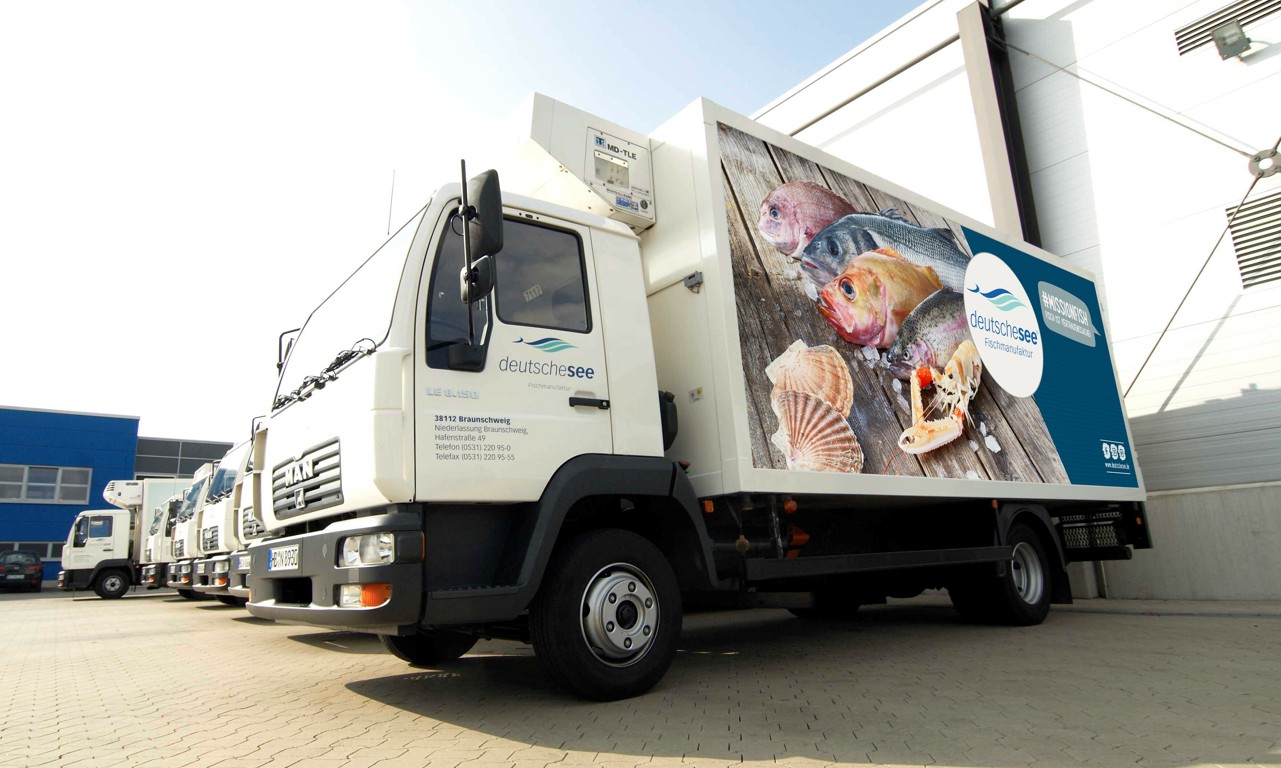
Deutsche See Fish Manufactory Relies on Webfleet Cold Chain
Feb 13, 2024 at 7:21 PM
Ferag and Modula Announce Partnership for Efficient Intralogistics
Feb 15, 2024 at 1:02 PM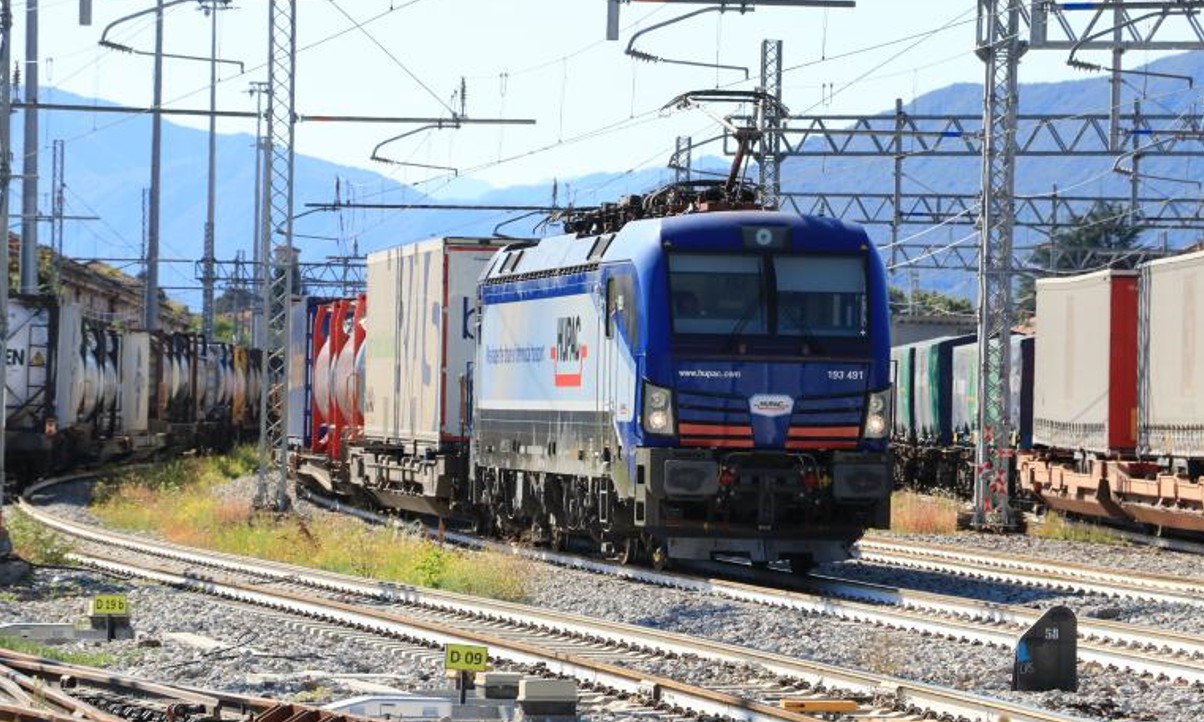
In 2023, the Hupac Group transported around 975,000 road consignments in combined road/rail transport. The declining transport demand in Europe, minimal market-oriented price increases in the rail system, and significant quality deficits in the German rail network are putting pressure on environmentally friendly combined transport.
(Chiasso) Last year, the Hupac Group transported around 975,000 road consignments or 1,866,000 TEU in combined road/rail transport and maritime hinterland transport. This represents a decrease of approximately 130,000 consignments or 11.7% compared to the previous year. All transport segments of Hupac’s Europe-wide network were affected by this negative development, albeit to varying degrees. In the core market of alpine transit traffic through Switzerland, Hupac recorded a comparatively moderate decline of 7.6% to 540,000 road consignments.
This negative trend is primarily attributed to the declining transport demand in Europe. The recessionary trend began in the autumn of 2022 in connection with the Ukraine and energy crisis and affected large parts of the global economy throughout 2023.
Rail Infrastructure Bottleneck
A number of factors are exacerbating the situation, increasingly straining the rail system. Chief among these is the poor quality, particularly in the German rail network, due to neglected maintenance and inadequate national and international construction planning. Capacity bottlenecks, delays, and train cancellations are commonplace on many corridors. An extraordinary factor was the severe accident in the Gotthard Base Tunnel in August 2023. The complete closure of one of the two tunnel tubes until September 2024 significantly restricts route capacity. “Fortunately, the impact on rail freight transport is minimal, as good solutions have been found in collaboration with SBB,” says Michail Stahlhut, CEO of the Hupac Group. “We expect that the necessary comprehensive renovation of the German rail network will be designed in a market-compatible manner to avoid stifling the politically desired shift in transport at its inception.”
Rising Rail Costs, Decreasing Funding in Germany
The massive cost increases in the rail system, which peak in double digits, are also counterproductive. The high track and traction costs are disproportionate to the services provided. “We must do everything we can to stop the trend of shifting transport from rail to road,” demands Stahlhut. Instead, the system is being deprived of the support it urgently needs, especially in times of crisis. The current unplanned significant reduction in track price funding in Germany worsens the conditions for combined transport and inevitably leads to a pass-through of additional costs to the market given the current margin situation.
Concrete Measures for Transport Shifting in Switzerland
On the positive side, the funding policy of the Swiss Federal Office of Transport is commendable. The funding measures are stable and thus act counter-cyclically, creating trust and supporting the market in the long term. It is all the more important to continue supporting the alpine combined transport in the coming years. “The planned focus on transalpine short-distance traffic from southern Germany and Switzerland must not come at the expense of other segments,” demands Hans-Jörg Bertschi, Chairman of the Board of Hupac. Long-distance traffic is particularly threatened by the tense performance situation and should continue to receive support unchanged.
Equally important as a market-oriented allocation of funding is infrastructure measures to ensure capacity and stability on the north-south corridor. “The routes Lauterbourg-Strasbourg-Basel and Antwerp-Metz-Basel are crucial for further shifts in transport: they provide an alternative to the Rhine Valley railway and should be prioritized for freight transport expansion,” says Bertschi. Smaller measures, such as the provision of sidings, also create some relief. Here, trains can wait for further travel during disruptions instead of being prevented from departing. Track facilities at Dottikon are already available and can be activated.
Strategy for the Future of Combined Transport
Despite the currently difficult economic situation, Hupac remains committed to its strategy for the further development of climate-friendly combined transport. The Europe-wide network will be adjusted situationally to market demand. “In some cases, we have temporarily consolidated departures,” explains Alessandro Valenti, Director of Shuttle Net, “while we have been able to expand other services, such as the Benelux-Italy corridor with additional departures between Zeebrugge and the terminals Novara, Busto Arsizio, and newly Piacenza starting February 2024.” A frequency increase on the Rotterdam-Warsaw/Brwinów route is also new.
Furthermore, Hupac is continuously working on factors that will strengthen the productivity and competitiveness of combined transport in the long term. “Longer, heavier trains, efficient terminals, strengthening competition through the promotion of private rail companies, and digital transformation are the key points for the success of combined transport,” says Stahlhut. In addition, extensive investments are being made in terminal locations in Italy, Germany, and Spain.
Photo: © Hupac