

Software Developer Xplanis Launches Subsidiary in Germany
Feb 6, 2024 at 4:09 PM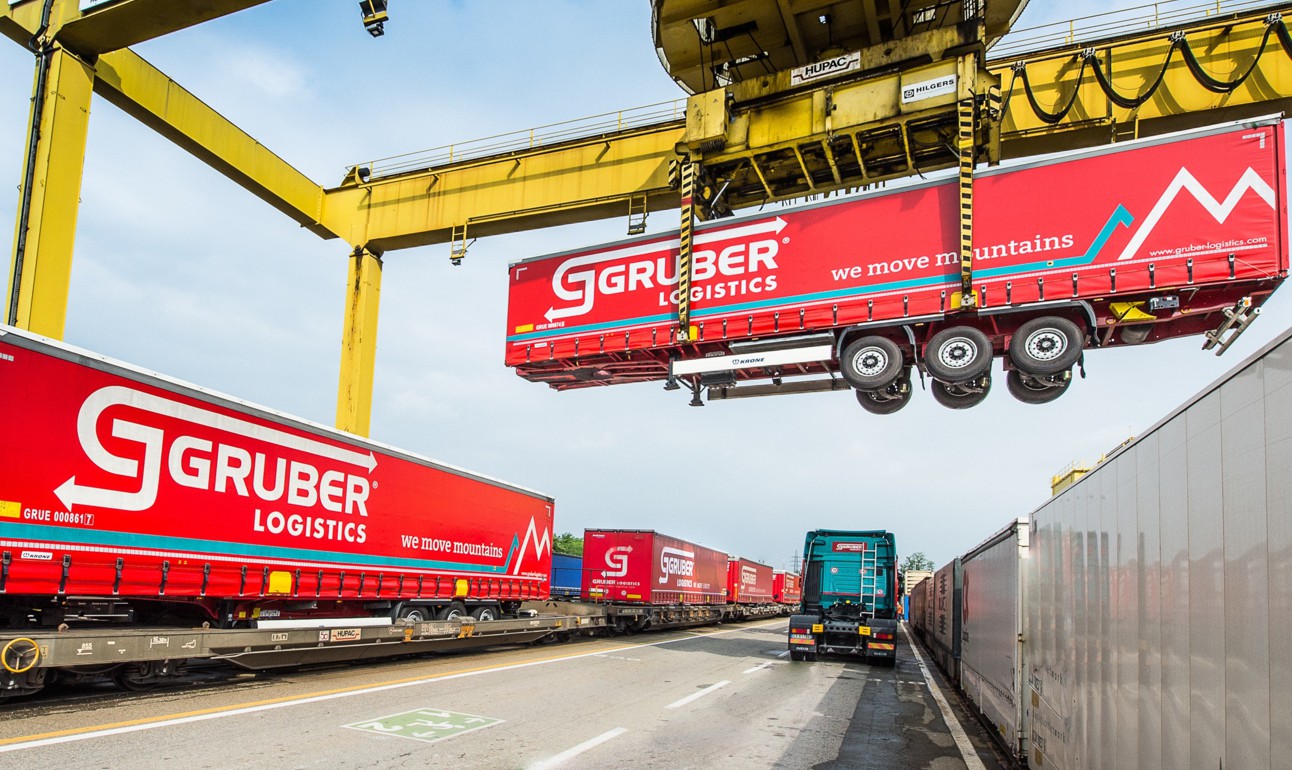
Gruber increases frequency between Verona and Leipzig to daily
Feb 6, 2024 at 6:24 PM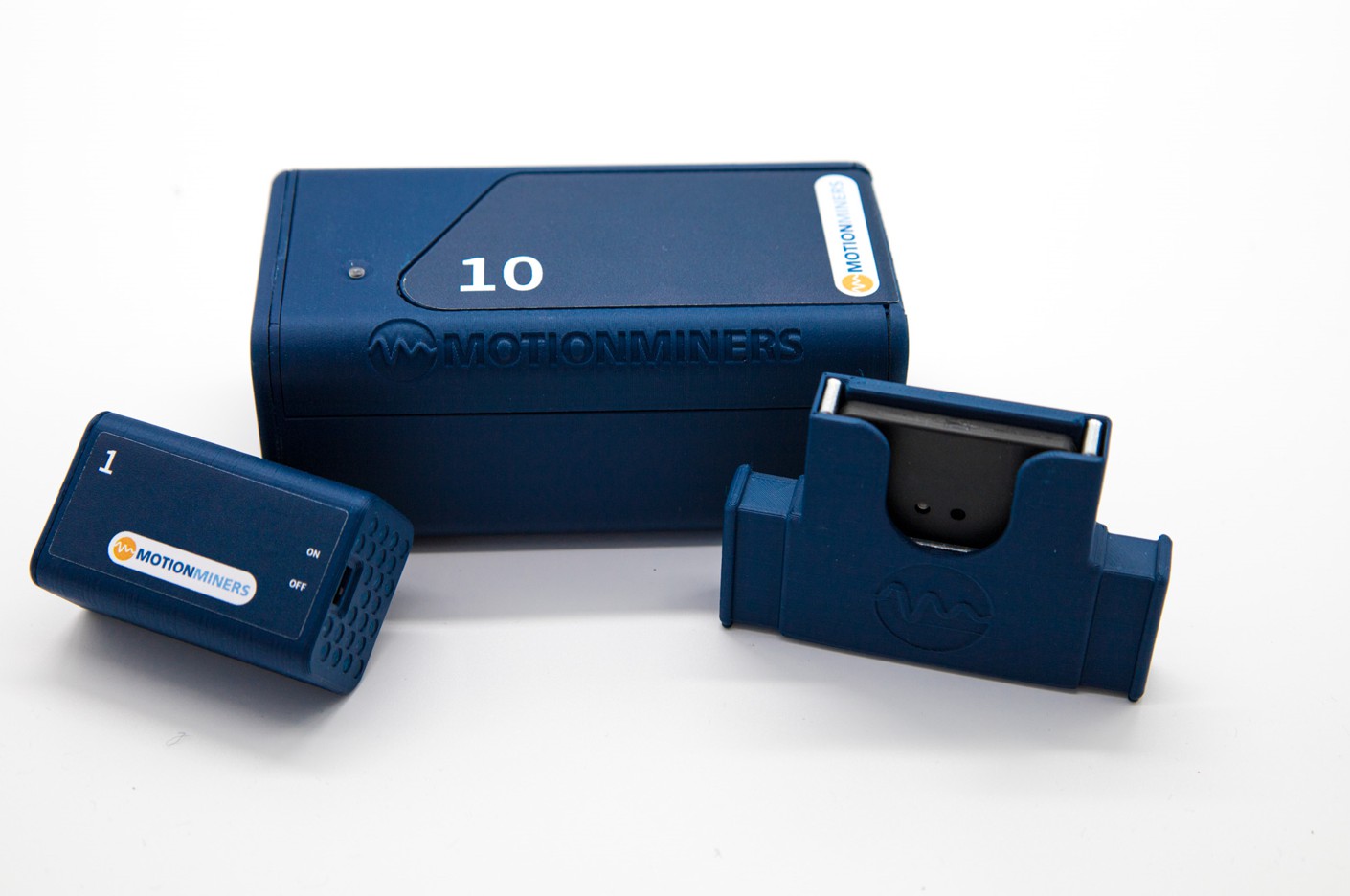
With a new sensor-based fleet analysis, the start-up MotionMiners is now uncovering inefficiencies in intralogistics fleets in industry, trade, and logistics. The movement data of forklifts, fast runners, or route vehicles is measured using a set of up to three sensors per vehicle. This is followed by a comprehensive AI-supported analysis via the web-based platform, MotionMiners PROCESS INTELLIGENCE. After a successful pilot phase, MotionMiners is presenting the new product for the first time at LogiMAT in Stuttgart.
(Dortmund) The main topics that concern intralogistics professionals in managing their fleets have been identified in advance by Sascha Kaczmarek, co-founder of MotionMiners, in discussions with the industry: “At the top of the optimization wish list is the reduction of waiting times due to traffic, empty trips, downtime, and information about fleet utilization. However, what is missing are reliable metrics on vehicle movements to improve efficiencies. This area is practically a black box.”
With a set of up to three sensors, MotionMiners now enables companies to build their own solid foundation of primary data. The basis is the sensor “Vehicle Logger,” which records the movements of the vehicle. Two additional sensors can optionally be used on the fork. From now on, fork play times/lift heights or empty/full trips can be measured.
Data is collected over a period of two to three weeks
“The data is collected on average over a period of two to three weeks. For our pilot customer, a forklift manufacturer, our sensors recorded a total of 1,650 data hours across 24 vehicles within ten days,” reports Kaczmarek. To locate the fleet, Bluetooth transmitters (beacons) are additionally placed in the hall. About 200 beacons are required for an area of 20,000 to 40,000 m2. For outdoor areas, MotionMiners additionally uses GPS tracking.
In the subsequent AI-supported evaluation, the collected data is analyzed using the analysis dashboard of MotionMiners PROCESS INTELLIGENCE (software). Users can customize the relevant key performance indicators (KPIs) in the dashboard. An analysis is worthwhile from about five vehicles and can be scaled up indefinitely, confirms Kaczmarek, specifying: “We can also equip fleets with over 100 units and are completely manufacturer-independent.” As the first optimization measures from the pilot projects, the fleet design was changed, replacing underutilized or overloaded vehicle types.
Integration of Operational Data Possible
MotionMiners has also introduced operational data matching. This allows users to independently combine the movement data collected by the motion mining technology with their own operational data on the platform. This primarily includes WMS, TMS, or machine data in intralogistics, which are integrated via an interface. Kaczmarek outlines the benefits: “The process engineer benefits as he delves deeper into the analysis. By correlating the data, process times and efforts can be broken down by customer, item, or order groups.”
The new matching tool can also be used for the already established product from MotionMiners, which analyzes the movements of people in intralogistics in terms of efficiency and ergonomics. In this application area of sensor technology, MotionMiners has already completed over 200 projects.
Photo: © MotionMiners