


NWL and DBR to Cooperate as Rhenus Partnership Hanse
Jan 30, 2024 at 7:10 PM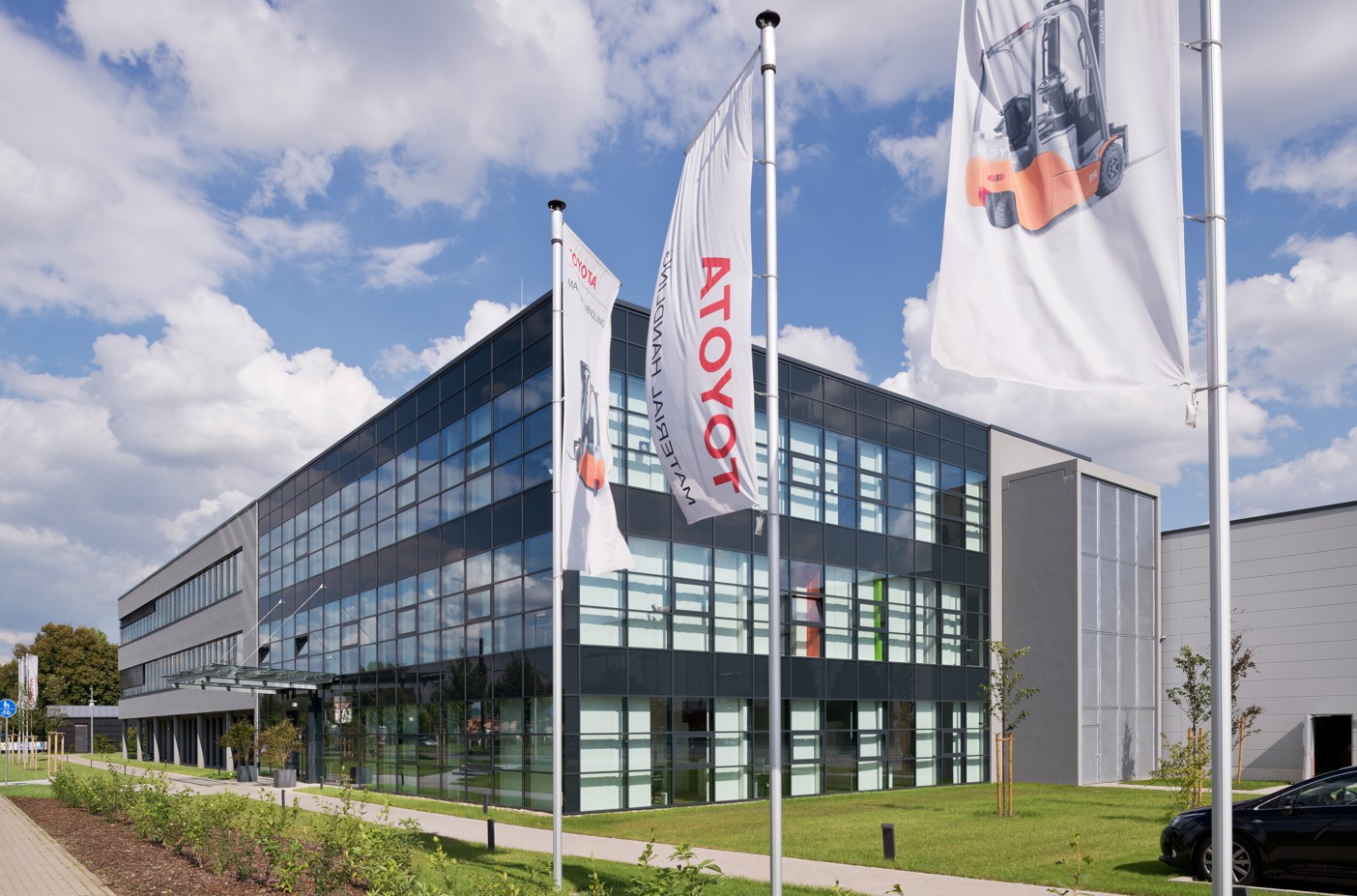
Toyota Material Handling Germany Strengthens Its Indirect Sales Channel with New Dealers
Jan 30, 2024 at 7:39 PM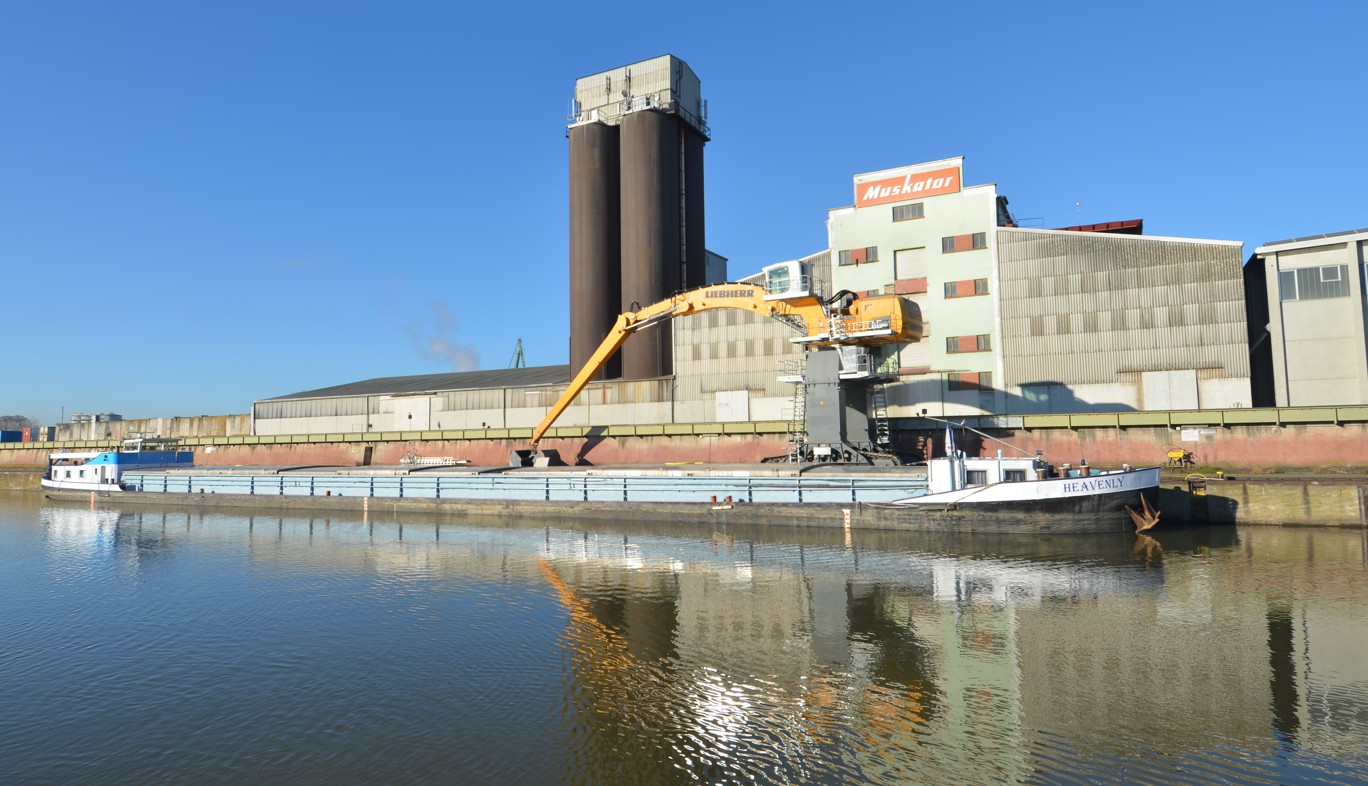
The freight transport concept (GVK) presented by Transport Minister Christian Bernreiter “provides a valuable foundation for the further development of our industry in Bavaria.” This is how Sabine Lehmann, Managing Director of the LBS – State Association of Bavarian Forwarders, evaluates the document and the defined areas of action within it. From her perspective, the broad-based development of the GVK, in which municipalities, business organizations, and academia collaborated on equal footing with politics, is useful. “Just as combined transport proves to be a flexible tool for efficiently and sustainably advancing things, combined know-how from business, science, and politics is essential.”
(Munich) According to Lehmann, the first step of the concept must now be followed quickly and precisely by further developments. “Freight transport is changing with high dynamics. It is not about the paper form, but about what can be made from fundamental ideas and recognized needs for action.” In this context, she referred to the current ifo study on Bavaria as an export location, which reflects the crisis-related changes in global trade: “Both in air freight and in hinterland transport for connecting to major seaports, the economy must rethink and our industry must currently prepare for completely new challenges.” These topics do not (yet) play a key role in the new GVK. “In the spirit of learning organizations, it is now important to transfer the insights gained there to the new situation.”
From the LBS’s perspective, the positive aspect is: “The comprehensive spectrum of opinions, ideas, and implementation proposals reflects the practical relevance. It is important that the concept is convincing in the industry and also meets with broad acceptance in the public sphere,” said Lehmann. In particular, the concept provides credible and robust arguments in favor of the urgently needed measures for designing and building a future-proof infrastructure for freight transport, from which both individuals and companies benefit equally.
Logistics Keeps the Economy Running
Lehmann: “Now it is time for all responsible parties and stakeholders to take a stand. The days when responsibility could be shifted back and forth are over.” Logistics not only keeps the economy running but also provides – as demonstrated during the Corona crisis, among other instances – an essential contribution to social life and the security of general supply. “The GVK and especially the associated infrastructure projects will be a showdown for the acceptance of our service on a broad level.”
The LBS Managing Director pointed out the still existing high bureaucratic hurdles and sluggish administrative processes that limit the entrepreneurial planning horizon and complicate rapid changes even where they are in the general interest. As an example, she mentioned the demand for a building permit when a company wants to install E-charging stations on its premises. “This is an outdated notion if we want to make progress in energy efficiency and climate protection.”
The same applies to the elaborate, individual approval processes for heavy transports, such as the rotors of wind turbines: “The GVK shows that standardization and networking are the optimal ways to achieve fluid and demand-oriented freight transport. Now we need this state also where laws, regulations, and responsibilities in administration stand in each other’s way.”
Structure is Only as Effective as Communication
Last but not least, the question of comprehensive digitization of processes and the seamless availability of high-performance data networks must be sustainably addressed in connection with the GVK: “Every networking, every detailed structure is only as powerful as the communication that accompanies it,” said Lehmann. She explicitly agreed with Prof. Dr. Ulrich Müller-Steinfahrt from the Technical University of Würzburg-Schweinfurt (THWS), who led the development of the concept from the scientific side: “The usability of data is the central question.”
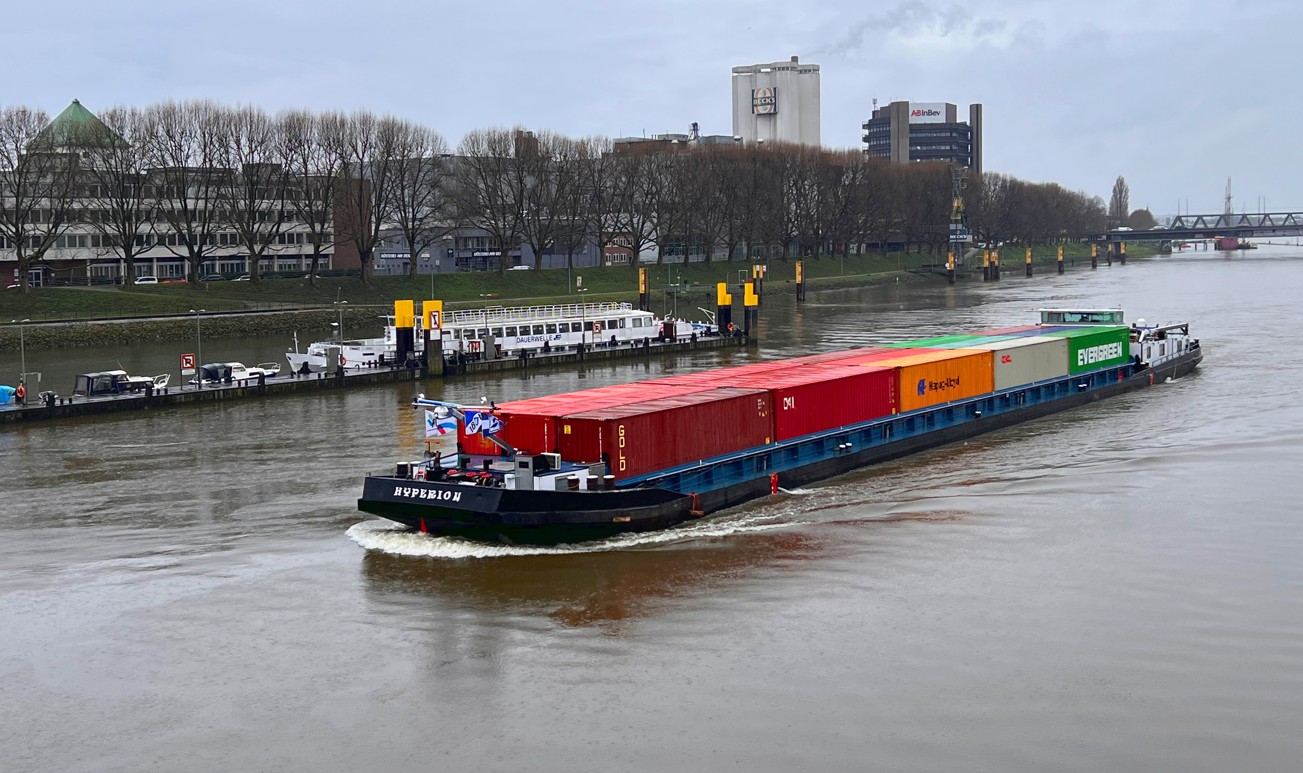
Photo: © Loginfo24 / Image Caption: MS Heavenly in the Port of Bamberg