


BGL is satisfied with the current progress of the action week
Jan 11, 2024 at 7:04 PM
Roman Fürtig Represents the Port of Hamburg in Eastern Germany
Jan 13, 2024 at 8:10 PM
The modern business world is constantly evolving, presenting companies with new challenges time and again. Increasingly, the possibilities of machine learning (ML) and artificial intelligence (AI) for optimizing processes and supply chains are coming to the forefront. Various use cases already demonstrate how this innovative technology can bring about transformative changes.
By: Robert Zehentbauer
(Munich) To what extent can the promising possibilities of machine learning (ML) actually be realized? And what advantages arise from this for supply chains?
Intelligent Location Tracking
Geofences act as virtual barriers that trigger an immediate ping as soon as a person or vehicle crosses them. They enable real-time visibility and more precise milestones for the transportation of goods by trucks. However, scaling to thousands of locations proves to be a challenge, which can lead to inaccurate geofence boundaries. For example, a circular area around an address may overlap with neighboring facilities or thoroughfares. These inaccuracies can lead to erroneous results and serious consequences, including premature termination of tracking, incorrect arrival times, missed appointments, and necessary rescheduling.
The use of machine learning represents a significant advancement in improving geofences, generating more accurate and thus highly valuable logistical information. This results in automatically smaller geofences based on actual pings, taking into account characteristic movements of vehicles through historical data. This approach allows for effective fine-tuning of the geofence and reduces previous limitations.
Logistics Planning Through Precise ETA Predictions
ETA (estimated time of arrival) refers to the planned arrival time of a vehicle at its destination under given conditions. However, predicted arrival times are rarely precise and are therefore considered unreliable. Proactive planning becomes difficult, especially when the shipper cannot rely on the stated arrival times. Precise timing is necessary in the logistics industry, even if it is complex.
Carriers often do not provide continuously updated ETA values, causing appointment windows to be frequently missed. While the travel time of a shipment is generally predictable, other factors often lead to delays and inaccurate ETAs—such as dwell time in the warehouse and unpredictable driving behavior. However, machine learning can achieve a precise prediction of the expected arrival time of trucks. By training ML with billions of data points from millions of truck deliveries, more accurate and reliable ETAs are possible.
To provide shippers with more comprehensive insights, machine learning models integrate various variables such as driver behavior, seasonal fluctuations, and characteristics of vehicles and loads. During transport, there is a continuous dynamic update of the ETA values. Compared to static appointment windows and schedules, this model can accurately identify delays and reduce the error rate by more than 60 percent. This underscores the effectiveness of the ML approach for more precise and efficient logistics planning.
Accelerated Capture Through Real-Time Milestones
Reliable real-time milestone recognition presents a central challenge, especially in maritime transport. It is crucial for strategic decisions and performance monitoring. By implementing machine learning into processes, precise docking points for significant ports and terminals in maritime transport can be identified. A comprehensive view of the milestones is ensured by integrating this information with satellite tracking data.
The identification of these milestones occurs in real-time using geofences and GPS tracking data. Alternatively, the departure milestone can be identified when the ship leaves the geofence. This innovative approach is on average about four times faster than waiting for an event reported by the carrier. Thus, accelerated and more precise monitoring in maritime transport is possible.
Optimized ETAs for Optimized Planning
The reliability of planned arrival times is of great importance in sea transport. Over the past three years, the landscape of container shipping has changed rapidly—accompanied by numerous disruptions and failures. These dynamic developments complicate continuous adjustments and pose an additional challenge for the precise provision of accurate ETAs. Even with less severe disruptions, the ETAs reported by carriers prove to be unreliable, especially at critical moments such as significant shipment delays.
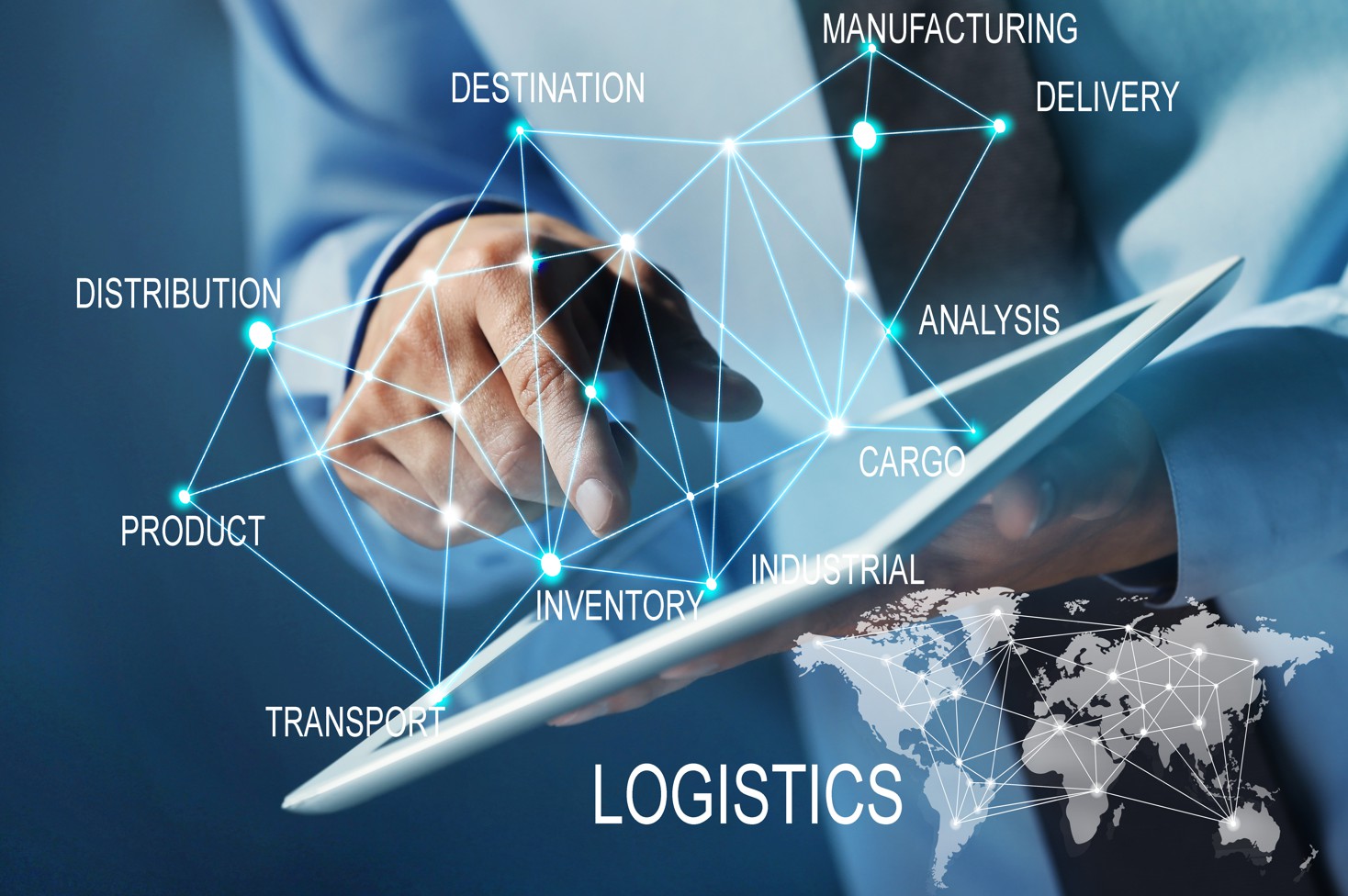 Addressing the challenges in maritime transport requires reliable and actionable ETAs. Here, machine learning revolutionizes the accuracy, completeness, and practicality of planned arrival times in shipping. For example, it is possible to identify delays on average a week earlier than is typically the case with reports from shipping companies. This helps shippers take timely appropriate measures to optimize their supply chain. While carriers usually only provide the arrival time of the ship, ML also opens up an expanded perspective. The use of this technology not only allows for the precise prediction of a ship’s arrival time but also provides valuable information about the release of the container from the ship.
Reliable ETAs go beyond mere carrier reporting. They take into account various factors such as schedules, container transshipments, transit times of routes, port congestion, as well as specific characteristics of the ship and container. To ensure that the most current and relevant data is always available, the underlying algorithm undergoes continuous improvements and adjustments. These dynamic adjustments occur depending on the point in the journey where the container is located, ensuring an optimal and precise forecast at all times.
Machine Learning: Transparency and Significance in Focus
In recent years, the importance of artificial intelligence and machine learning has increased significantly. Many lofty promises about the potential of these technologies have circulated in the media. However, the four use cases mentioned above illustrate that machine learning is not just a buzzword but has concrete and significant impacts. The opportunities that arise from this allow for strategic decision-making and sustainable improvement of the entire supply chain.
Robert Zehentbauer is Regional Vice President DACH region at project44. He has extensive knowledge as a sales and logistics expert and can look back on more than three decades of experience in logistics, software, and IT. His career includes significant positions at Kühne + Nagel, Siemens Information Systems, and leading U.S. companies in logistics and supply chain software such as JDA Technologies, Descartes, and i2 Technologies.
Photos: © Loginfo24/project44