


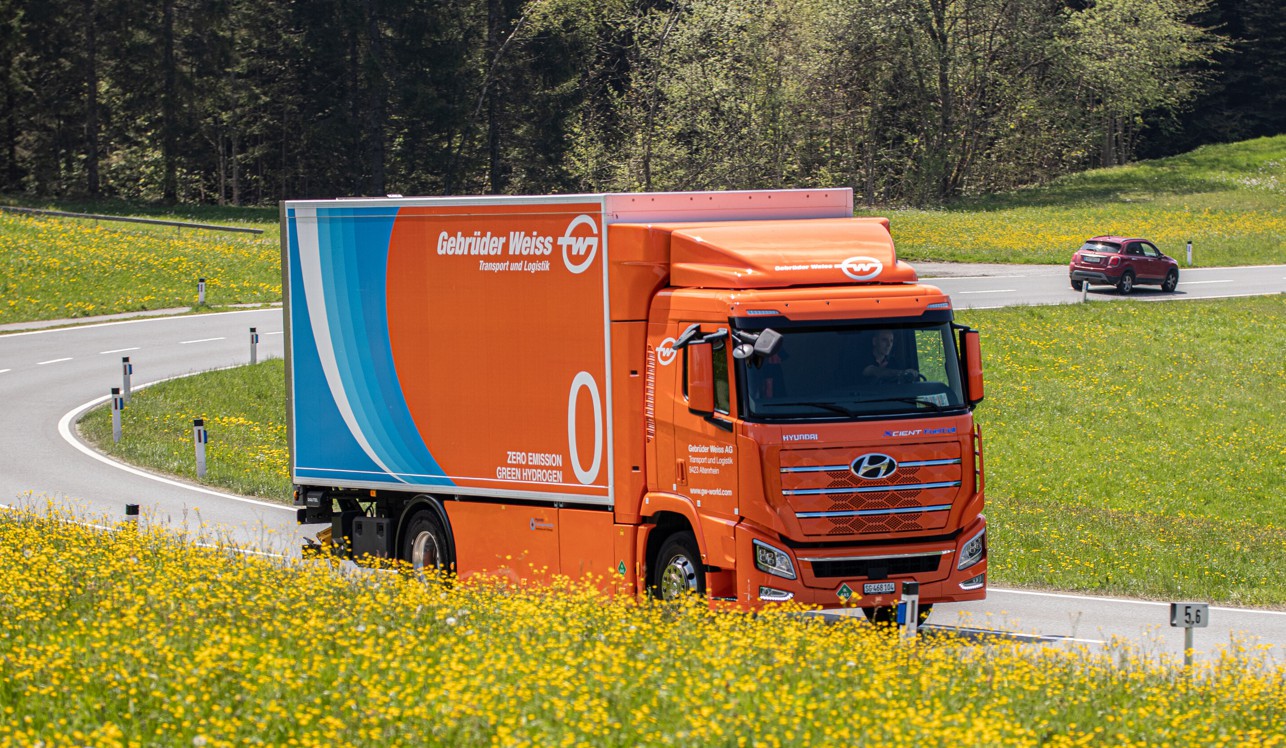
Gebrüder Weiss delivers emissions-free for coffee producer Atinkana
Aug 19, 2023 at 5:48 PM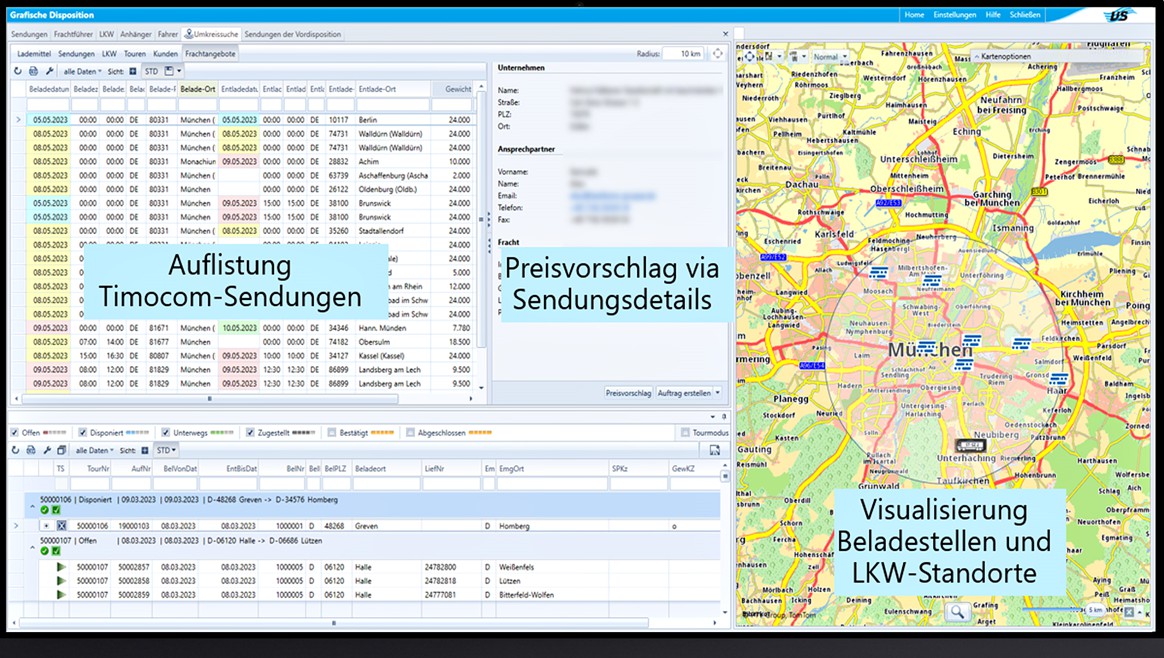
LIS presents interface to TIMOCOM at NUFAM
Aug 19, 2023 at 6:24 PM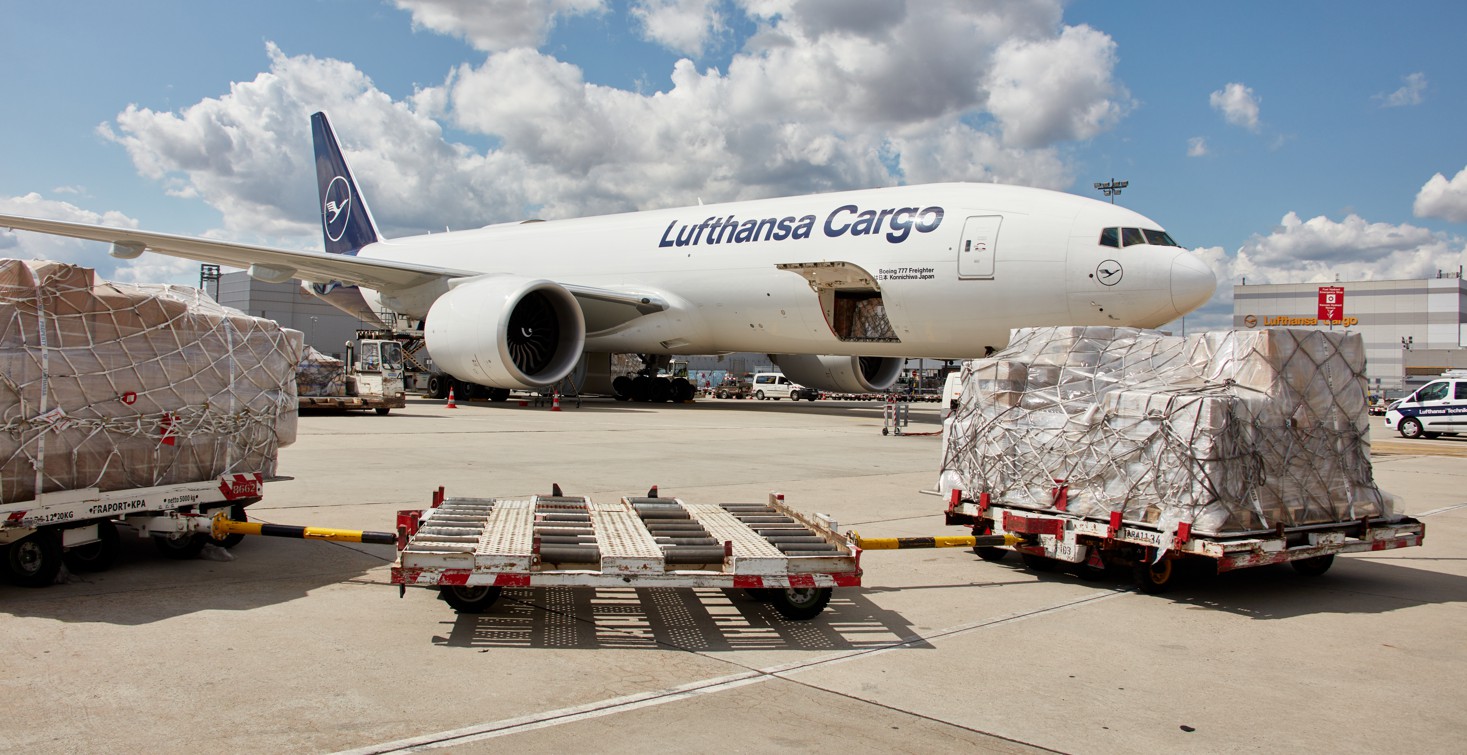
What does the future of the air freight industry look like? This question was once again posed by Lufthansa Cargo on this year’s Aviation Day on August 19. A good time, as the industry currently faces significant challenges.
“Currently, we are experiencing various upheavals within the air freight industry. Sustainability, digitalization, and a booming online trade play a central role in this. To address this, we rely on decisive and dynamic action with all stakeholders in the industry. Only in this way can we remain future-proof and fulfill our responsibility as one of the world’s leading air freight companies, as well as our credo ‘Enabling Global Business’,” says Ashwin Bhat, CEO of Lufthansa Cargo.
Just in May, Lufthansa Cargo presented its ambitious plans for Frankfurt Airport: it is set to become one of the most important eCommerce hubs worldwide. Together with two subsidiaries – the logistics service provider heyworld and the customs agency CB Customs Broker GmbH – Lufthansa Cargo is proactively driving the expansion of the eCommerce business at Frankfurt Airport. “A crucial success factor for online trade is the resilience and speed of the supply chain. We want to make Frankfurt a leading location in this segment by offering comprehensive solutions for shipping, customs clearance, and further transport of eCommerce shipments,” says Ashwin Bhat. Additionally, the full-service customs agency CB Customs Broker announced a partnership with the handling expert GEORGI Handling. To promote the eCommerce business in Frankfurt, both companies are creating a new eCommerce terminal in Cargo City South, which represents another important hub for the Asian market.
Expansion of the intra-European route network
For over a year, Lufthansa Cargo has been serving destinations in the short and medium-haul segment with A321F freighters and has put its third aircraft into service at the end of June. A fourth freighter will expand the fleet starting in September. With the A321 fleet size doubled to four this year, new opportunities for capacity and route network expansion arise, whether in scheduled or charter operations. Currently, Lufthansa Cargo offers more than 50 weekly flights to 14 destinations, providing customers with direct access for their freight to the hub in Frankfurt. The latest additions to the route network are Casablanca, Yerevan, and Tunis. Further adjustments and expansions of the flight schedule on short and medium-haul routes related to the fleet expansion are currently in planning to connect economic centers.
General Cargo via electronic air waybill
A few weeks ago, Lufthansa Cargo, together with long-standing and digitally savvy customer Kühne+Nagel, succeeded in transporting 100 percent General Cargo via electronic air waybill and digital accompanying documents between Germany and Hong Kong. This first purely “paperless route” is the starting signal for the introduction of “paperless corridors” for efficient and resource-conscious transport between Europe and Asia.
Lufthansa Cargo is equally ambitious in the area of sustainability: by no later than 2030, the company aims to halve its carbon footprint compared to 2019, with the goal of operating CO₂-neutral by 2050. Lufthansa Cargo plays a pioneering role within the industry, as evidenced by the implementation of the EU Regulation ReFuelEU: In the recently confirmed trilogue of the EU Regulation ReFuel Aviation, a binding quota for renewable fuels for aviation was defined. By 2025, at least two percent, and by 2030, at least six percent SAF must be used mandatorily. Compared to fossil fuels, SAF reduces CO₂ emissions by up to 80 percent. Already today, Lufthansa Cargo has reached the first set target of two percent: In 2022, the SAF share of the fuel consumption of Lufthansa Cargo freighters was already 2.1 percent.
Continuous modernization of the fleet
In addition to renewable fuels, the company also focuses on the continuous modernization of the fleet, fuel efficiency, and digitalization. “We see great potential in AI-based applications and have already integrated them into our services. From eBooking to eTracking, we now offer our customers extensive options along the transport chain. If we want to sustainably improve the industry’s climate balance, we must seize every opportunity to further reduce our CO₂ emissions,” says Nicole Mies, Head of Communications and Corporate Responsibilities at Lufthansa Cargo.
Photo: © Lufthansa Cargo