Dachser Plans Emission-Free Delivery Areas in 10 More Cities
Feb 14, 2023 at 4:40 PM
Gebrüder Weiss opens new location in Albania
Feb 14, 2023 at 4:50 PM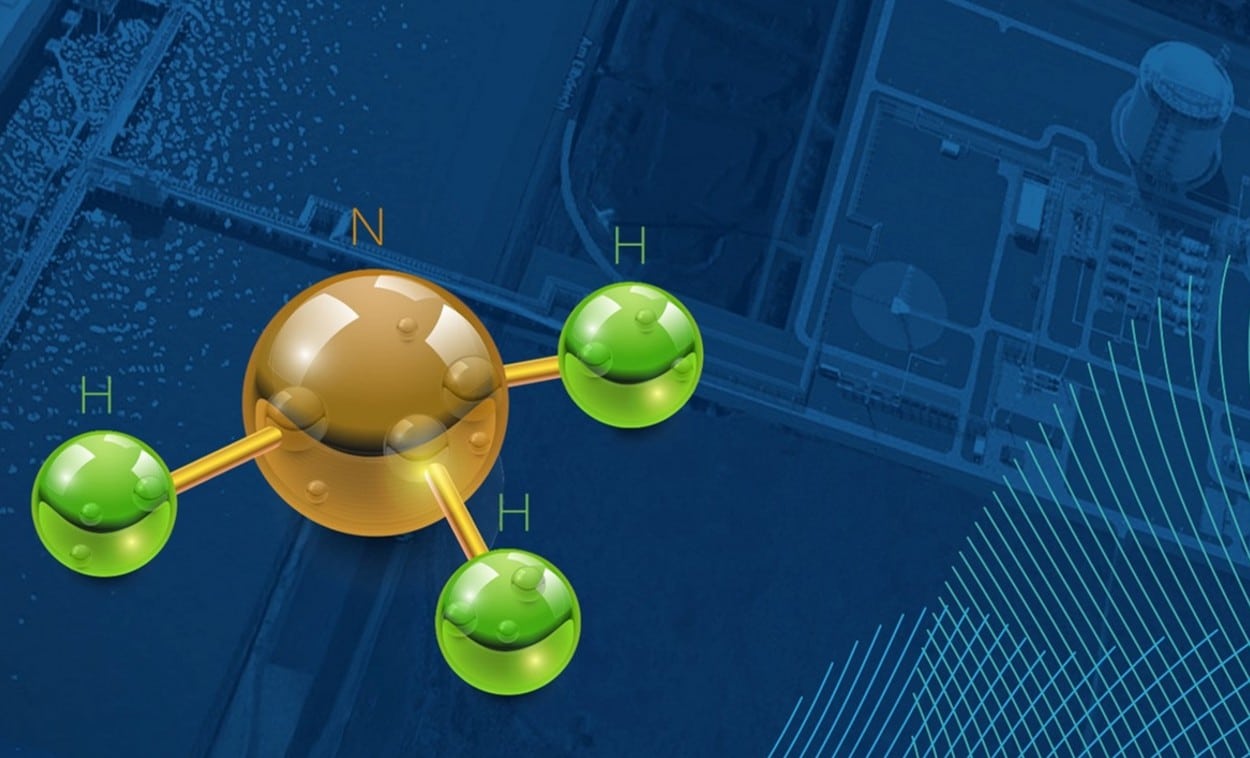
(Essen/Hamburg/Brunsbüttel) RWE and VTG will jointly develop a logistics concept for supplying customers. This will identify delivery options and determine handling and transport capacities. For industrial customers, rail transport is advantageous as large quantities of products can reach their destination safely without being connected to a pipeline or an inland port. The delivery of ammonia in tank wagons has been established for years. However, the transformation of the industry and energy market is creating new markets for ammonia with new usage requirements.
“Green ammonia is a key element for the energy transition because it allows many industrial processes to be decarbonized. Germany will import large quantities of ammonia in the future, for example, via the terminal planned by RWE in Brunsbüttel. From there, the molecules are to be distributed directly to industrial customers. VTG has years of experience in transporting ammonia by tank wagons. Therefore, RWE and VTG are now jointly examining distribution via rail,” explains Ulf Kerstin, Chief Commercial Officer of RWE Supply & Trading.
Ammonia Will Play an Important Role in Energy Supply
Sven Wellbrock, Chief Operating Officer Europe and Chief Safety Officer of VTG, adds: “In the coming decades, ammonia will not only be of great importance as a raw material for industry but will also play an important role in securing energy supply. It is part of the VTG New Energies strategy, which aims to support our customers in the best possible way during the transformation to sustainable industrial processes. Together with RWE, we want to demonstrate that large quantities of ammonia can already be provided in an emissions-friendly and competitive manner via rail in the short term.”
To achieve climate goals, the demand for green molecules will increase significantly in the future. To meet the demand for the decarbonization of industry, Germany needs access to green molecules from other parts of the world in addition to its own hydrogen production. RWE is committed to developing a globally diversified portfolio of projects and purchase agreements for hydrogen and its derivatives, such as ammonia. In this context, RWE is also planning a green import terminal for ammonia in Brunsbüttel. Starting in 2026, around 300,000 tons of green ammonia are to be landed here annually.
Connection of Hydrogen and Nitrogen
Ammonia (NH3) is a compound of hydrogen and nitrogen. It is considered one of the most commonly used raw materials in chemistry. Approximately 180 million tons are produced worldwide each year and processed into fertilizers, plastics, and other chemicals. It is referred to as green ammonia when it is produced with hydrogen that has been generated through electrolysis using renewable energy sources.
Photo: © RWE