


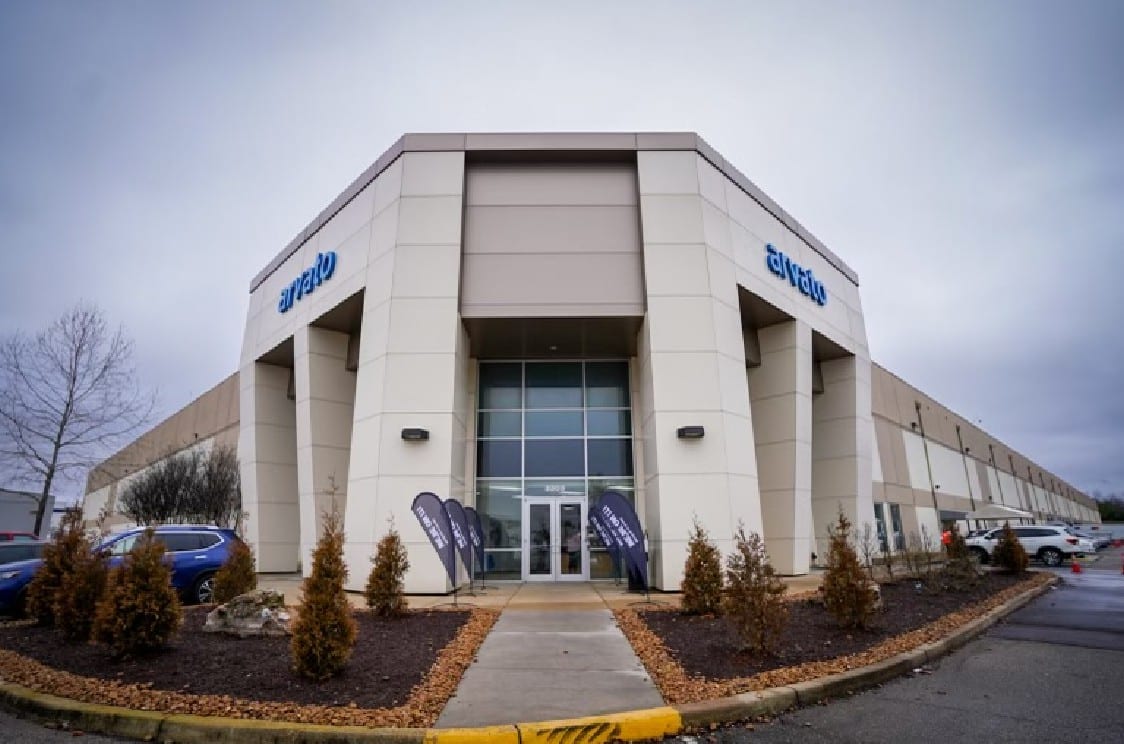
Arvato Supply Chain Solutions Opens New Location in Memphis
Jan 27, 2023 at 1:05 PM
catkin launches BBM tool for railway construction site management
Jan 27, 2023 at 5:43 PM
Since January 1, 2023, the Supply Chain Due Diligence Act, or LkSG, has been in effect in Germany. It has been long anticipated and is now in force. But what does this mean for individual companies along the supply chain? In an expert discussion between Sven Neumann, Managing Director of the think tank impacts4u, and Gabriele Gerdau, an experienced specialist in the field of governance, risk & compliance, the topic is examined in depth.
By: Sven Neumann
(Dortmund/Rohrbach) A societal shift towards greater sustainability is a clear necessity. The dangers to climate, environment, and labor systems stemming from our way of life, consumption, and production behaviors have been known for years.
With the introduction of the National Action Plan for Business and Human Rights (NAP), the Federal Republic of Germany hoped for a participation rate of 50% of companies with over 500 employees to “voluntarily” comply with human rights due diligence obligations. Due to the low participation rate, the LkSG has now been made mandatory for companies with more than 3,000 employees as of January 1, 2023. Thus, by January 1, 2024, there is a legal obligation for companies with more than 3,000 employees in Germany to implement a compliance management system.
Companies with fewer than 3,000 employees are still well advised to engage with the LkSG, especially when they work with customers who are already subject to the law.
The Discussion on the LkSG:
(Sven Neumann) Which companies are affected by the German Supply Chain Due Diligence Act?
(Gabriele Gerdau) The law is broadly defined and applies across the board. The LkSG applies regardless of legal form, sector, or industry in which a company operates. It thus applies to classic legal forms such as GmbH or AG, as well as to associations and non-profit organizations, and also to banks and financial service providers.
Furthermore, this law applies to legal entities under public law that perform administrative tasks of a local authority and are also active in the market. It also covers companies of foreign legal forms, provided they have a branch in Germany.
To which area of the supply chain do the due diligence obligations refer?
The core elements of the LkSG include, among others, human rights, environment & climate, sustainability, occupational safety, fair remuneration, corruption prevention, and appropriateness criteria.
The law speaks of an appropriate implementation of due diligence obligations. What is meant by “appropriateness”?
The term “appropriateness” is an indeterminate legal term because it must be applicable to the multitude of different types of companies and risks. The LkSG provides clear guidance in § 3 para. 2 LkSG for assessing the appropriateness of actions that meet the due diligence obligations.
The catalog of criteria thus offers companies a wide margin of discretion regarding which risks to address first and which measures appear sensible. The benchmark is what can reasonably be expected of a company to avoid or terminate identified risks and violations.
This entrepreneurial scope of action and decision-making is taken into account during official inspections when a company can prove, based on essential reference documents, that it has fulfilled its duty of care within the realm of what is concretely feasible and appropriate.
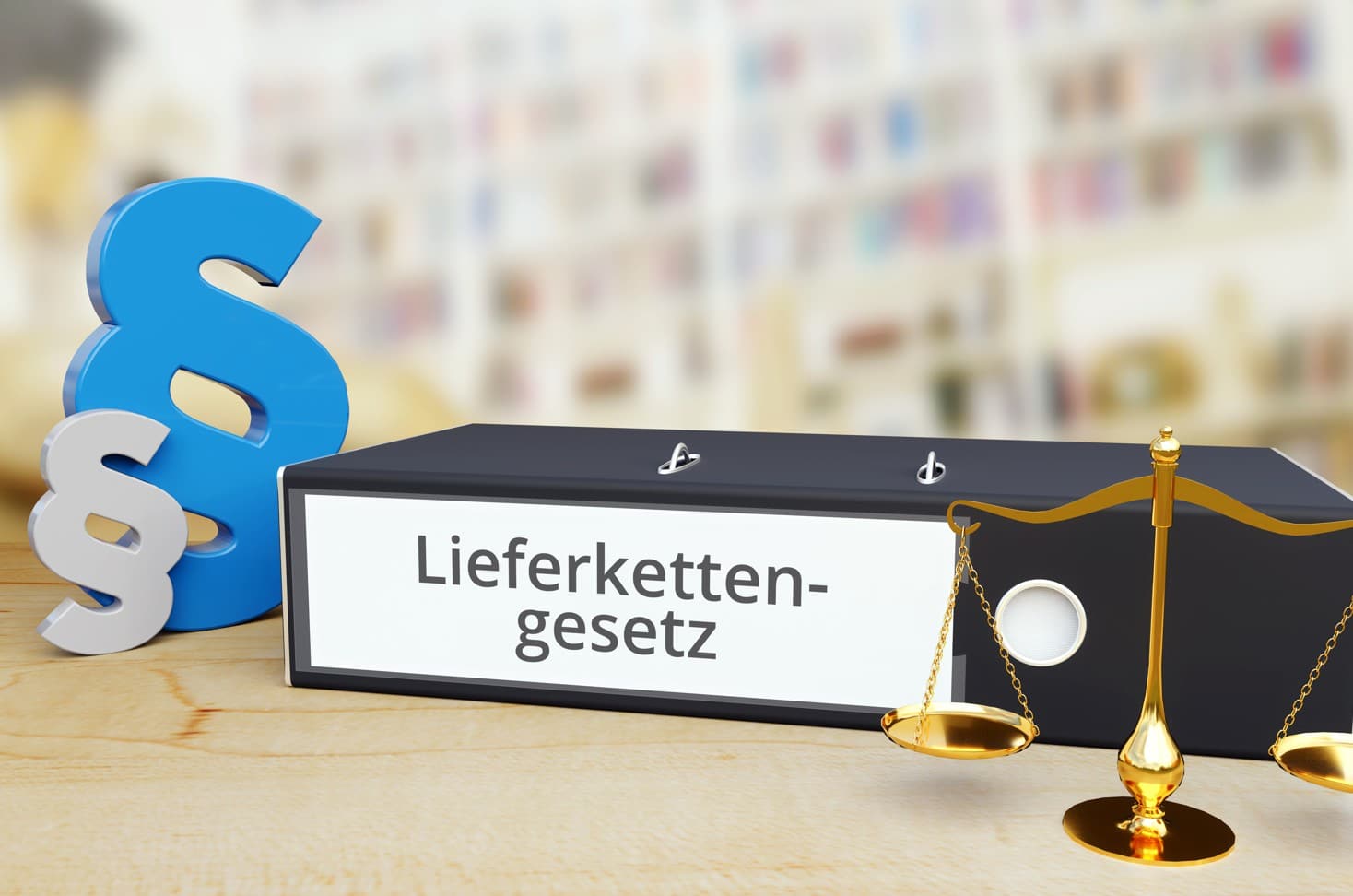 What does the mandatory protection of human rights and environmental standards in the supply chain mean for one’s own company and its competitiveness?
The LkSG obliges companies not only to comply with the human rights and environmental measures in § 2 LkSG themselves but also to ensure their observance along their supply chains. The stipulated due diligence obligations of the LkSG prompt companies to engage in close communication with their suppliers and sometimes even their competitors. On one hand, it involves the exchange of information, which can lead to uncoordinated market behavior and thus fall under antitrust regulations. The aspect of protecting against “overcrowding competition,” or competition for solutions that go beyond legal minimum requirements, is also crucial in collaborative models for supply chain certification.
The LkSG currently fits into a dominant debate about a sustainable, fair, and environmentally friendly design of the economy. A key role is played by the European Green Deal. Sustainability and environmental protection have also become some of the most important competitive differentiators and are therefore relevant to competition.
What weaknesses do you see in the Supply Chain Due Diligence Act? What needs to improve?
The risk management according to § 4 LkSG and the risk analysis according to § 5 LkSG require a company subject to the LkSG to identify, assess, and address human rights and environmental risks. However, how exactly the risk analysis is to be conducted and which documents a company must review from its direct suppliers is not regulated in the LkSG.
Thus, it still needs to be determined when a company has done enough to meet the requirements of the LkSG.
How should/can I envision my role in the implementation of the Supply Chain Due Diligence Act?
Digital tools can significantly contribute to the efficient and transparent design of supply chain compliance. However, simply identifying and transmitting results “at the click of a mouse” is not enough for corresponding changes to occur and for the management to be freed from liability for due diligence.
The transformation to a sustainable economy will not work without sustainably designed supply chains. This requires a lived, organizational, and digital solution with a certain degree of automation. To make sustainability in supply chains pragmatically implementable and scalable, it is essential to obtain reliable and in-depth information using appropriate methods.
Sven Neumann, Managing Director of the think tank impacts4u, advisory board member, and supervisory board member, is a passionate driver of innovation and transformation, an experienced entrepreneur, and a committed doer in all sectors that determine the success of companies. He is considered a specialist in corporate transformation across industries. His main task is to equip medium-sized companies with the theoretical and practical tools they need to successfully master the diverse and increasingly growing challenges ahead.
Previously, he was the commercial managing director of a family-owned, globally operating corporate group in building installation technology. In this role, he significantly contributed to the development and sustainability of the company’s future over many years. With more than 25 years of experience from various national and international change processes, Sven Neumann is a competent contact person.
Gabriele Gerdau held sensitive business areas in the Federal Ministry of the Interior from 1977 to 2015. Due to her extensive industry knowledge, she founded Gerdau Human Profiling in 2015.
The company specializes in compliance & risk management and has extensive expertise in technical and human risk analysis and risk management. As a Compliance Risk & Fraud Manager (MBA) and Legal Counsel (LL.M.), she is a competent and reliable business partner for the implementation of the Supply Chain Due Diligence Act.
Further reports on the topic of the Supply Chain Due Diligence Act will follow throughout the year.
Photos: © impacts4u