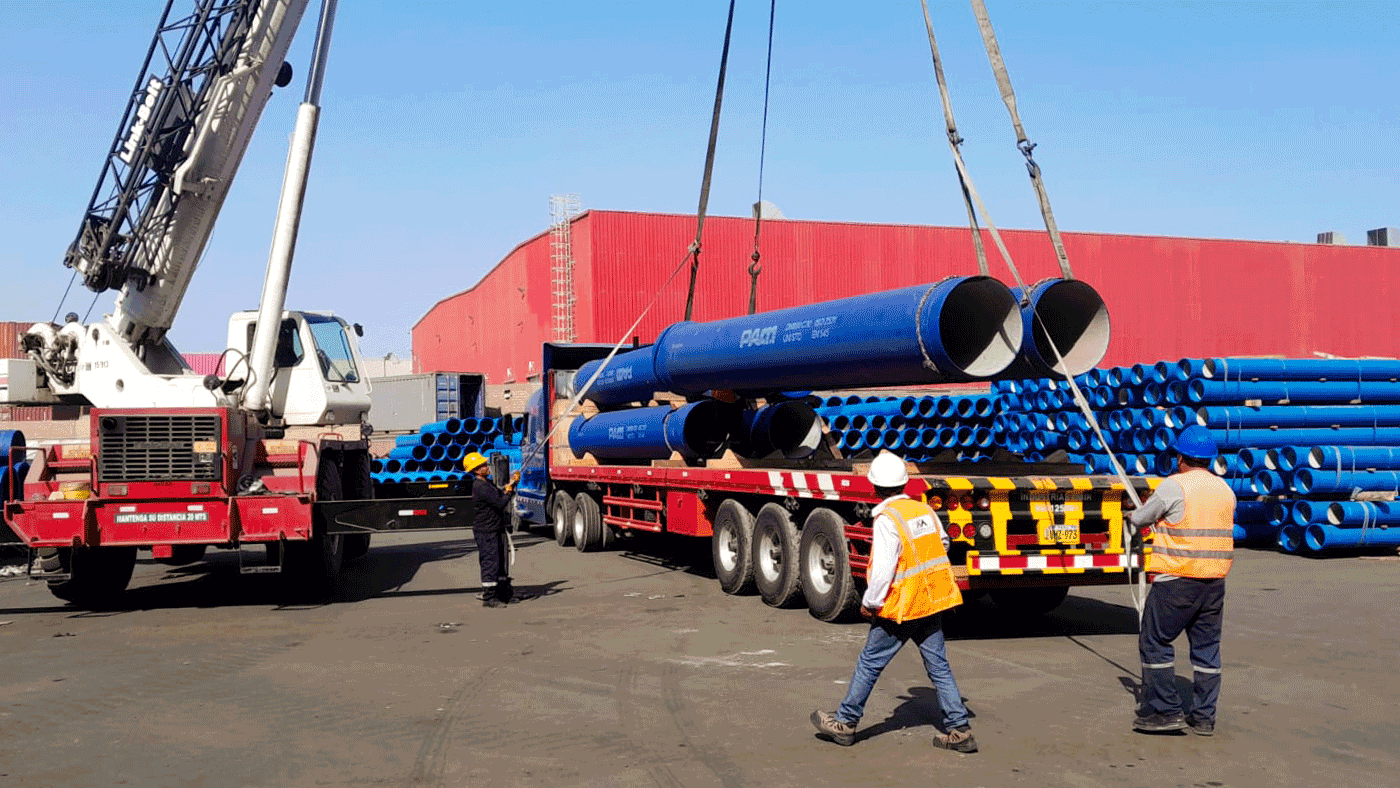



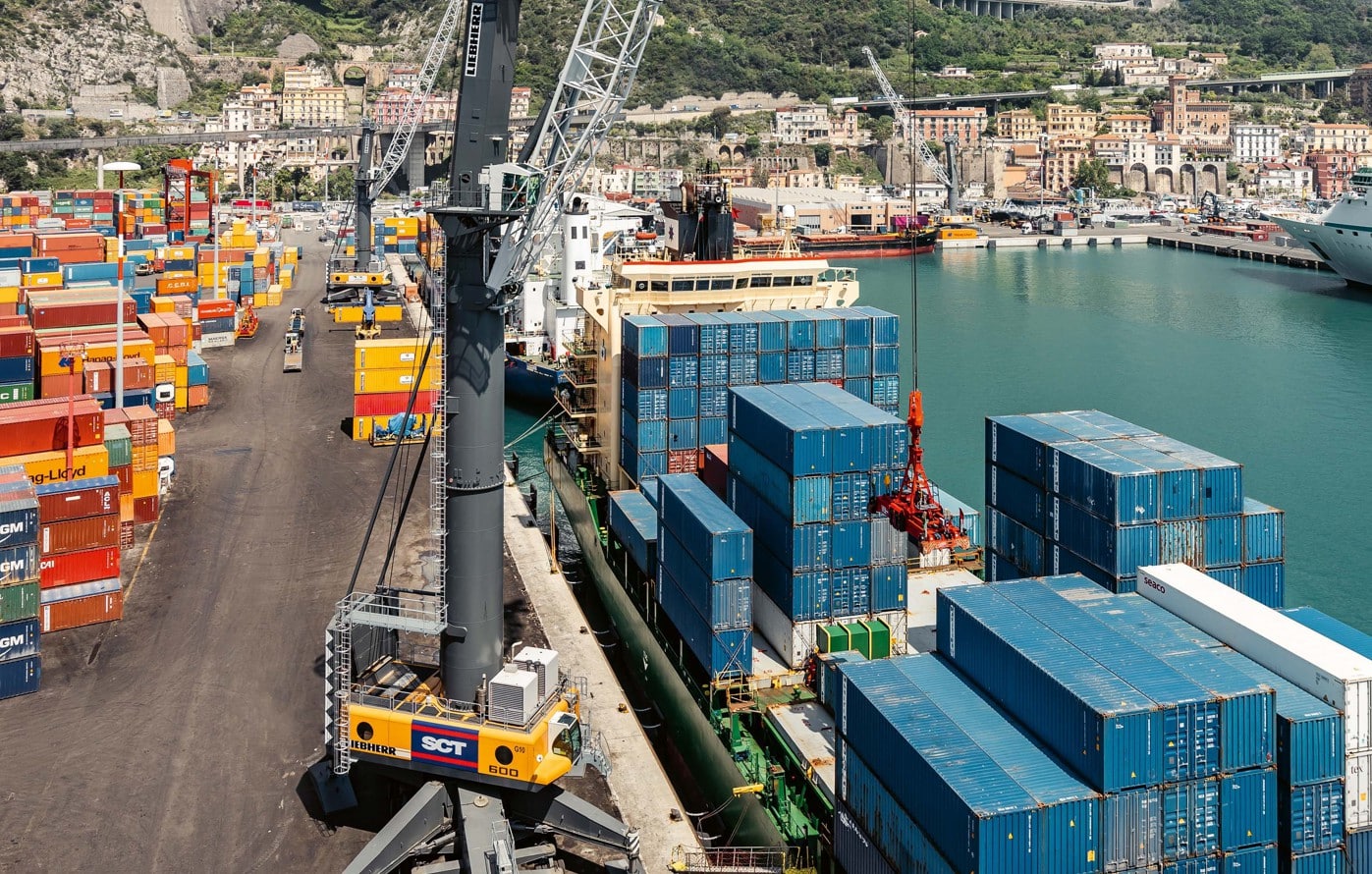
Salerno Container Terminal Receives Another Mobile Crane from Liebherr
Jan 21, 2023 at 12:23 PM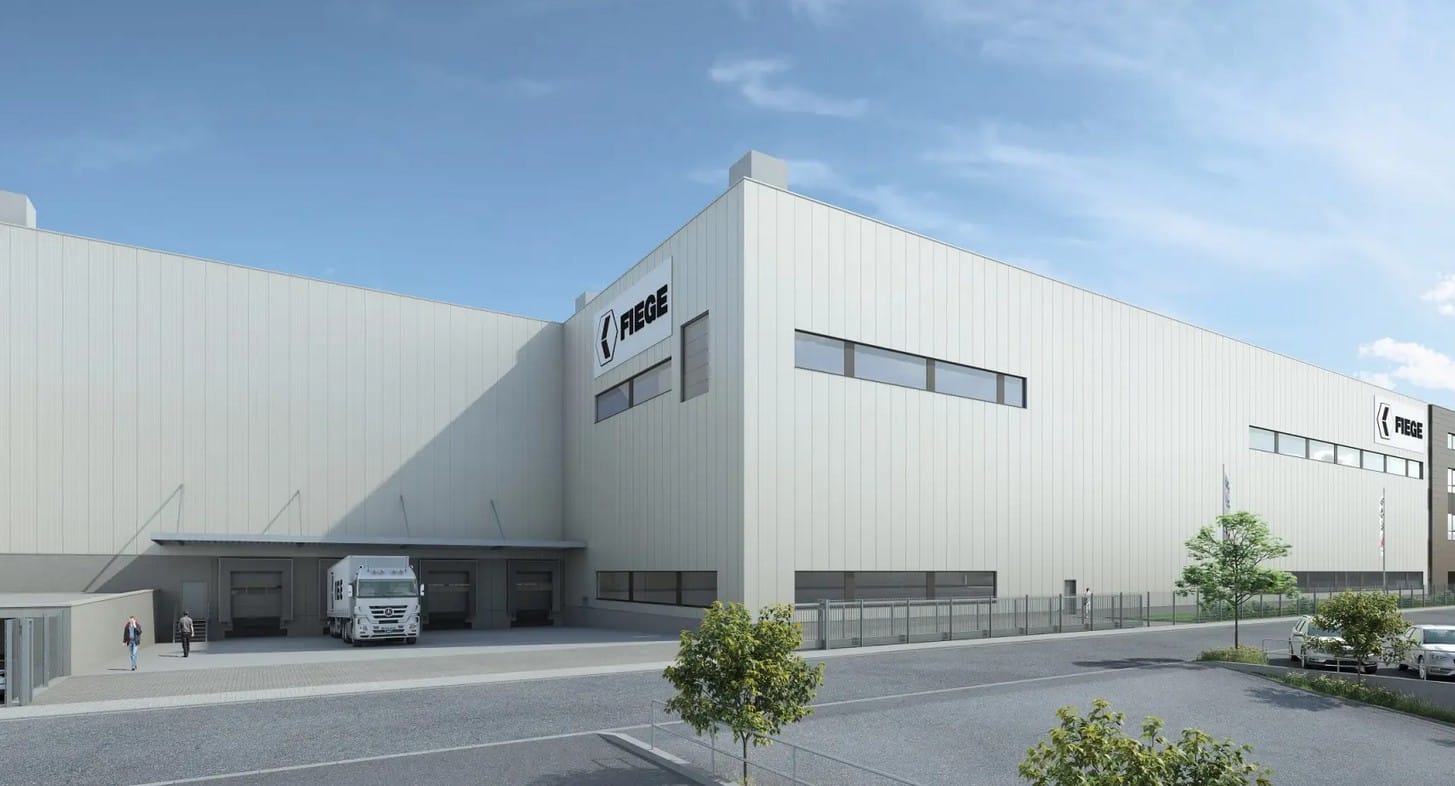
FIEGE Renovates Logistics Center at Swiss Location Bülach
Jan 21, 2023 at 1:10 PM
Based on data up to the middle of last year, the Federal Network Agency today published figures on the development of the railway markets. The network of European railways (NEE), which also operates under the label THE FREIGHT RAILWAYS, has clear ideas on this and takes a position.
(Berlin) Unlike passenger transport, freight transport only experienced serious but not sustainable declines in traffic performance in the spring of 2020. Managing Director Peter Westenberger comments on the report and the consequences for politics on behalf of THE FREIGHT RAILWAYS as follows:
Peter Westenberger
“THE FREIGHT RAILWAYS have reliably supplied industry and trade during the multiple crises of recent years and have quietly managed additional tasks, especially after the outbreak of the war in Ukraine. The detailed figures published by the Federal Network Agency for the year before last provide important pointers for the design of the framework conditions by the government and the need for action regarding the state-owned rail freight company DB Cargo.
According to the Federal Network Agency’s surveys, a record traffic performance of 139 billion ton-kilometers was achieved on the railways in 2021. The share of rail in the freight transport market rose above 20 percent for the first time in a long time. This growth was again driven by the freight railways not belonging to DB. They increased their share of rail freight transport by three billion ton-kilometers to over 58 percent.
Freight transport remains highly competitive – both between road and rail and on the rail itself. In the 5.8 billion euro market of rail freight transport, 87 percent of companies together generated a surplus of 112 million euros. However, this was far outweighed in a total market view by the deficits produced by the remaining 13 percent of companies in DB freight transport amounting to 385 million euros. State Corona support helped all companies during the crisis, while DB companies continued to operate in the market with non-cost-covering prices despite high revenues from other funding programs. To make growth on the rail sustainable and as independent as possible from state subsidies, efficiency and attractiveness for investments in new transport offerings must be increased.
Already in the second year of Corona, the disproportionate rise in rail electricity prices compared to diesel began, which particularly burdens the rail freight transport market that is 95 percent powered by electricity. While in 2021 the federal government still supported the industry with Corona aid, this was absent in 2022 during the electricity price crisis, especially for the climate-friendly rail. At the same time, the FREIGHT RAILWAYS, as in previous years, had to hire more staff not only for additional traffic but especially due to poor infrastructure availability, thus increasing their costs. When trains have to take detours of 200 or 300 kilometers due to construction sites, it explains the assessment that currently 20 to 30 percent more resources are needed at the FREIGHT RAILWAYS solely to cope with the poor quality of infrastructure and are lacking for new offerings.
If politics wants the transport transition and the climate effects from shifting to rail, it must quickly eliminate the deficits in rail infrastructure, prioritize the expansion of the rail network, focus the transport policy framework for trucks and rail on traffic shifting rather than on even more road freight transport, finance efficiency-increasing investments instead of operating cost subsidies, and rehabilitate DB Cargo.”

Photos: © Network of European Railways NEE