


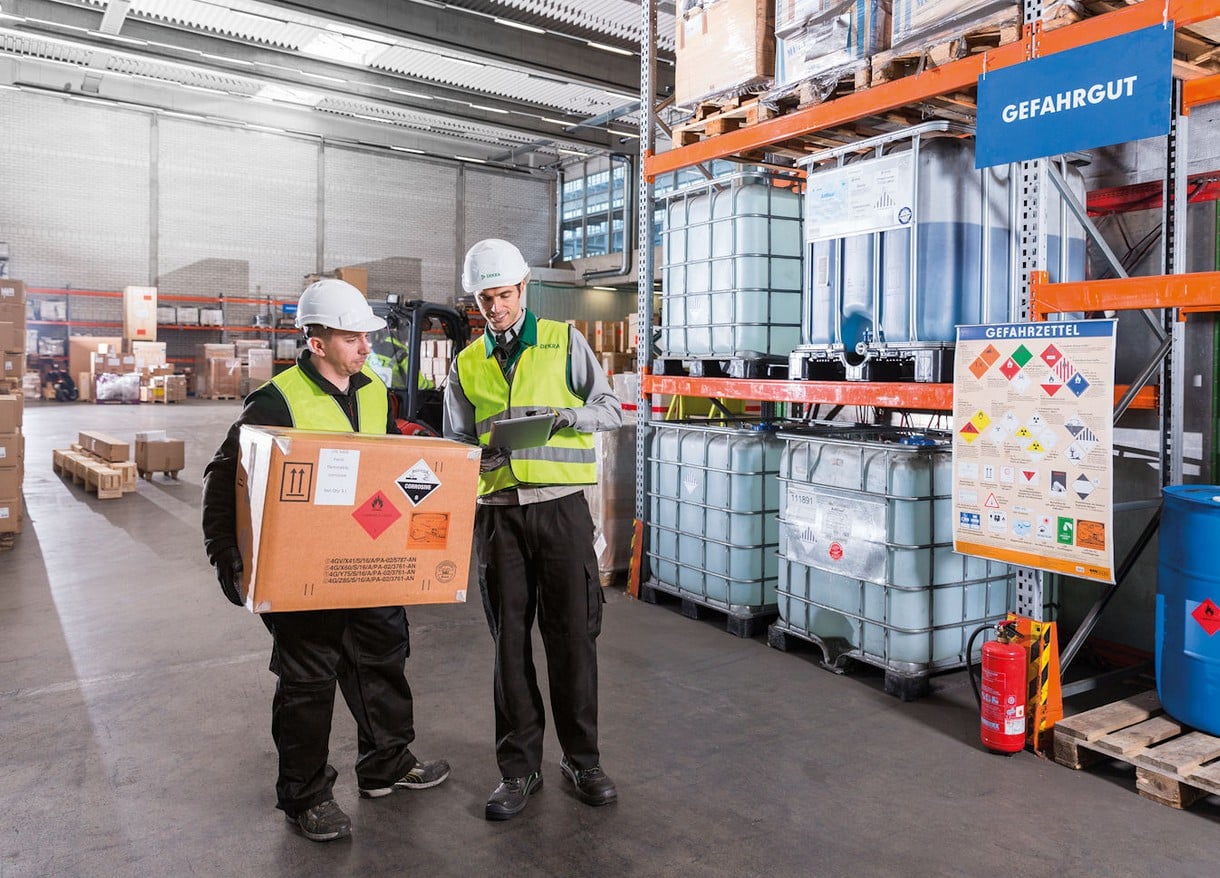
DEKRA points out ADR updates effective January 1, 2023
Nov 17, 2022 at 3:28 PM
HEINLOTH Expands Refrigerated Furniture Logistics
Nov 20, 2022 at 6:10 PM
In light of the recent semiconductor shortages, DHL today published a report titled “Resilience of the Semiconductor Supply Chain.” The report includes discussions with supply chain managers from various industries to identify areas where companies are adapting their semiconductor supply chains to make them less prone to disruptions and to increase their flexibility.
(Bonn) Four key themes emerged: accelerated digitalization, intensified cooperation and collaboration, robust product and inventory strategies, and sustainability. Furthermore, the report highlights opportunities for logistics providers to assist companies in optimizing their supply chain resilience.
“The demand for semiconductors will continue to rise while the market environment remains dynamic. Therefore, we need supply chains that are both stable and agile to keep global goods flows running. As the world’s largest logistics company, we operate across the entire supply chain. We capture critical data, build operational capacities, and identify opportunities to improve resilience, reliability, and sustainability. In this way, we work together with our customers to ensure more stable semiconductor supply chains,” says Alexander Gunde, who is responsible for the Technology Sector at DHL Customer Solutions and Innovations.
Investments in the Semiconductor Industry to Double
After supply chain disruptions led to revenue losses of more than $500 billion globally in 2020 and 2021, Deloitte expects companies in the semiconductor industry to double their investments. In 2022, they are expected to spend $99 billion to increase their production capacities and meet growing demand. Concurrent construction projects in several regions are facing challenges in delivering products on time and within budget. Logistics companies can assist the semiconductor industry in coordinating complex processes such as parallel delivery, setup, and maintenance of equipment and machinery from various sources.
Approaches for a Future-Proof Supply Chain
Based on discussions with supply chain managers from different industries, DHL has identified four key approaches that can help companies achieve their resilience goals:
- Digitalization. Timely, detailed data on shipments, inventories, transport means, and suppliers provide the necessary transparency in the semiconductor supply chain and deliver valuable insights. Data analytics improve operational efficiency and decision-making processes. Analytical tools can support logistics processes by making transport operations and warehouse operations more transparent and providing companies with a holistic view of the supply chain.
- Cooperation and Collaboration. Bottlenecks in transport capacities and the supply of capital goods in the semiconductor supply chain are best addressed in collaboration with logistics providers. Expanding these partnerships creates globally integrated and centrally managed networks that enhance resilience.
- Robust Product and Inventory Strategy. Transitioning to additional reserve stocks, more flexible fulfillment networks, and simpler product lines in the semiconductor supply chain requires targeted support. Logistics providers can, for example, offer additional warehouse capacity, new storage locations, and data analytics on inventory levels.
- Sustainability. Companies are focusing on minimizing their environmental impact while maximizing the resilience of the semiconductor supply chain, while logistics providers can provide data on emissions from transport and warehousing. They can optimize loads, routing, and transport solutions, implement sustainable technologies such as electric trucks and alternative fuels, and assist in developing initiatives for closed-loop logistics and the circular economy.
Photo: © DHL