



Charity Action “Logistics in Motion” Raises 70,000 EURO
Nov 2, 2022 at 6:19 PM
Schmitz Cargobull crowns the “Service Partner of the Year”
Nov 6, 2022 at 9:52 AM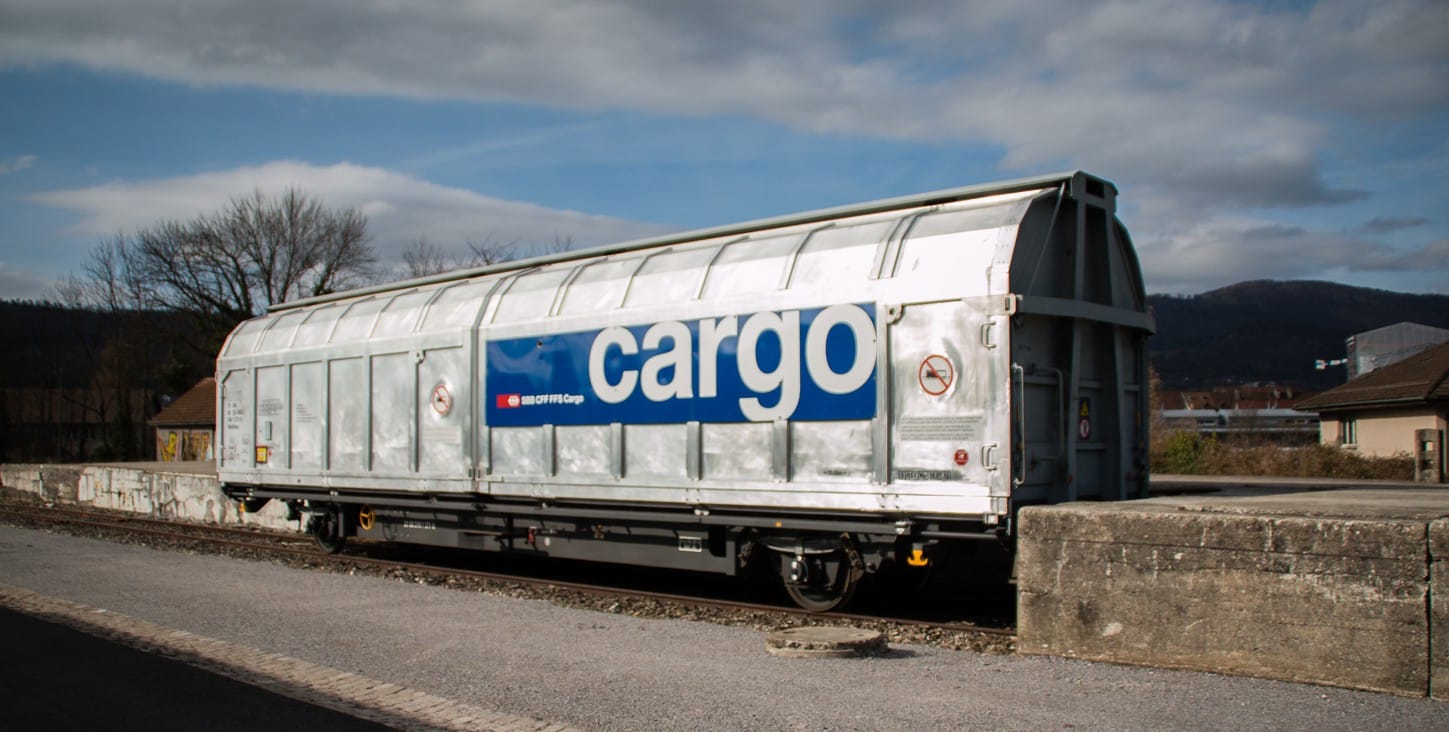
The Swiss Federal Council aims to further develop freight transport while considering energy and climate policy goals as well as the importance of rail transport for Switzerland’s supply security. At its meeting on November 2, 2022, it decided to send two variants for consultation: The first variant provides for modernized framework conditions for rail freight transport with comprehensive financial support from the federal government. The second focuses on competitive incentive instruments. However, this would result in significant freight rail services disappearing and being shifted to the road. The digital automatic coupling for rail freight transport is to be supported by both variants, as is Rhine shipping.
(Bern) The federal government last adjusted the framework conditions for freight transport nearly a decade ago. This has provided important impulses and created more planning security for entrepreneurial activities in the area of infrastructure and spatial planning. However, rail freight transport has not been able to increase its market share as hoped.
The single wagon load traffic offered by SBB Cargo has remained very complex and continues to be costly. Individual wagons are collected from various connecting tracks and assembled into complete trains for onward transport at shunting yards. Accordingly, SBB Cargo faces significant financial challenges.
Framework for the Future Direction of Freight Transport
Parliament has tasked the Federal Council, in light of this development, to present a framework for the future direction of freight transport. The Federal Council also considers climate and energy policy goals as well as supply security. According to the Climate Strategy 2050, the aim is to switch trucks to renewable drives and shift transport to rail.
Against this background, the Federal Council has decided to submit two variants for the further development of freight transport for consultation.
Variant 1
The first variant aims to technically and organizationally modernize rail freight transport, strengthen the rail-ship transport chain, and thereby significantly reduce greenhouse gas emissions from freight transport. The Federal Council proposes targeted financial support for this purpose. The federal government should be able to financially compensate providers of single wagon load traffic. Additionally, financial contributions for the introduction of the digital automatic coupling are planned. This will help make rail freight transport simpler, faster, and cheaper. Therefore, it is being coordinated and advanced by all European railways. With this variant, the Federal Council also proposes to financially support equipment for cargo handling and infrastructure offerings of Rhine shipping and to introduce a bonus in the form of a subsidy for loading onto the rail. The costs for these measures amount to around 600 million francs over a period of four years. After that, the new system is expected to operate independently.
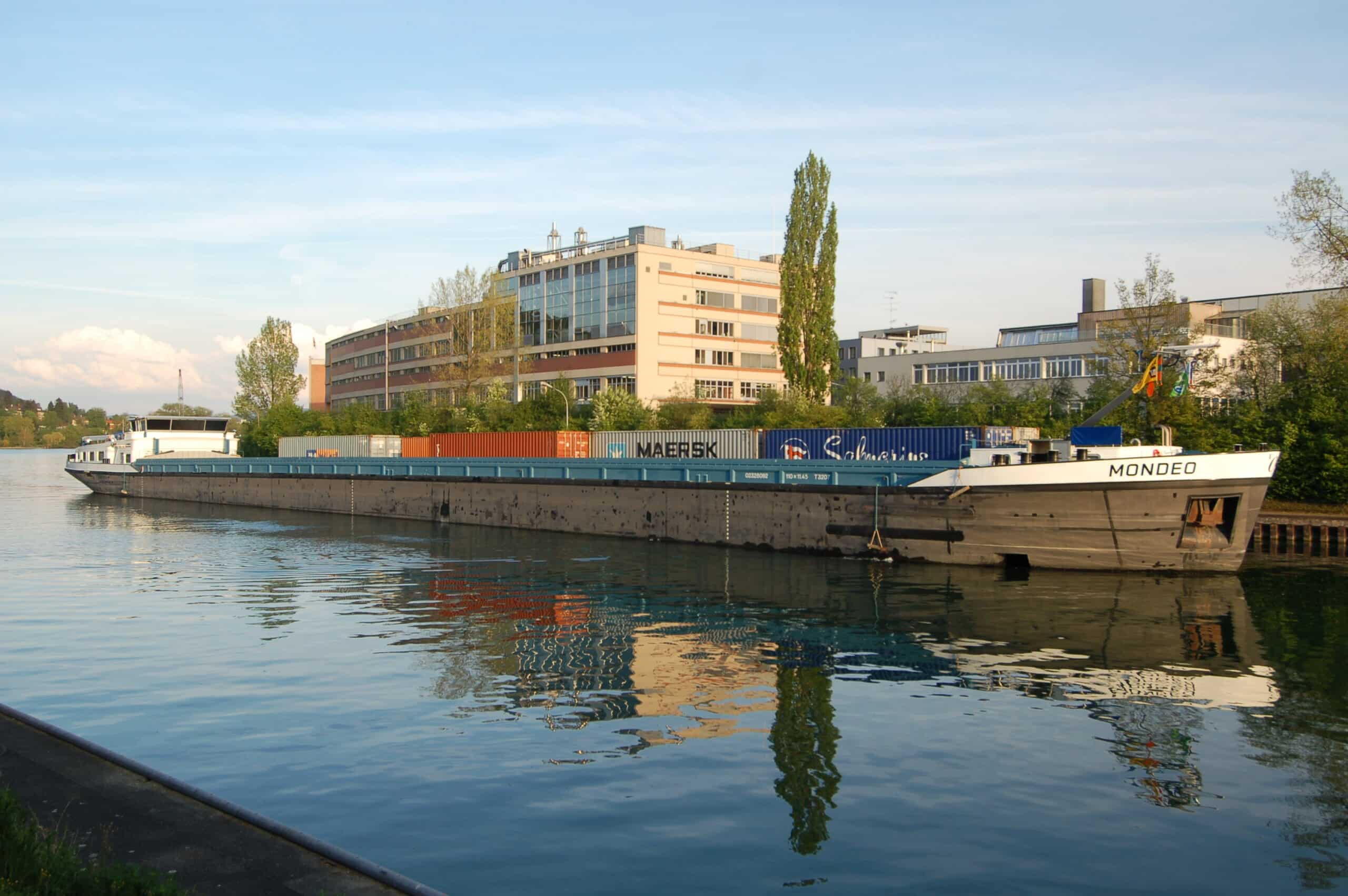 The Swiss Rhine shipping also finds its place in the Federal Council’s future concept
Variant 2
The second variant does not provide for state financial support for single wagon load traffic. Rail freight transport is to be provided and financed fundamentally in competition with road transport. However, this variant also includes support for Rhine shipping and contributions for modernization, particularly financial support for the industry in the introduction of the digital automatic coupling. This is important for cross-border transport. Similar to the first variant, funding for equipment for cargo handling and loading as well as the “loading bonus” are also planned. This variant will result in federal expenditures of around 120 million francs over a period of four years. The Federal Council expects that with this variant, single wagon load traffic will have to be phased out in the medium term and that the shift of transports to the road would lead to an increase of around 650,000 truck trips per year. A good rail service would also only be available where larger transport volumes occur – that is, in urban areas. The market share of rail is expected to decrease by about 5 to 6 percentage points, and by around 15 percentage points in domestic transport.
The financing of the planned measures will need to be examined in detail in light of the strained financial situation of the federal government during the preparation of the message.
The consultation on the further development of rail freight transport will last until February 24, 2023.
Explanations:
Photos: © Loginfo24