


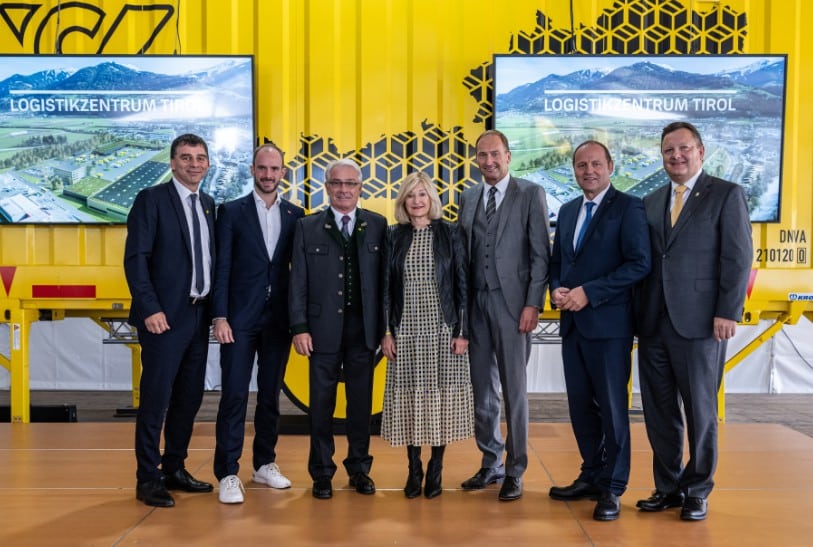
Austrian Post Opens New Logistics Center in Tyrol
Sep 25, 2022 at 7:50 PM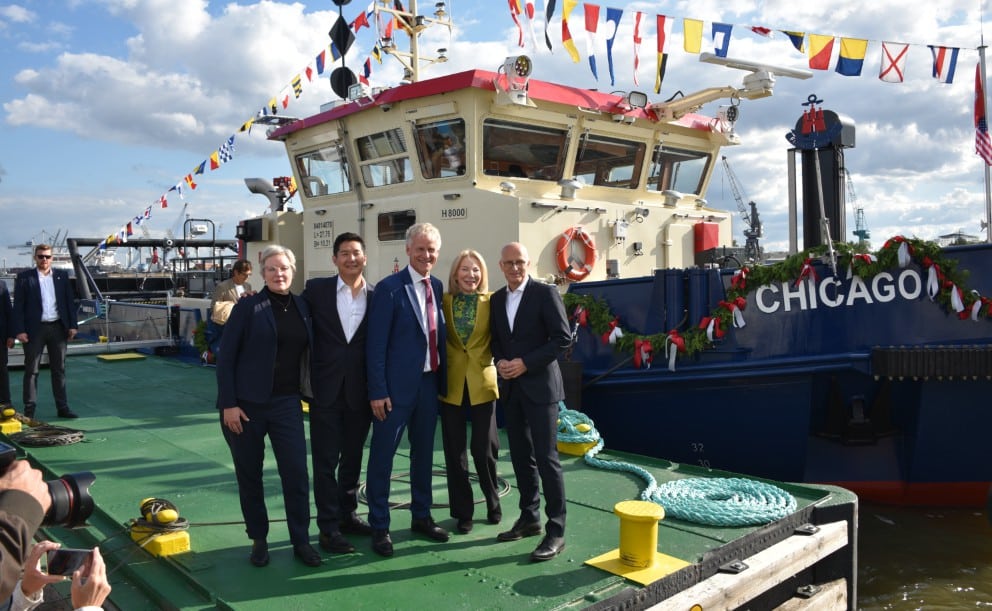
Fleet Hamburg Receives Its Own State-of-the-Art Dredger
Sep 25, 2022 at 8:00 PM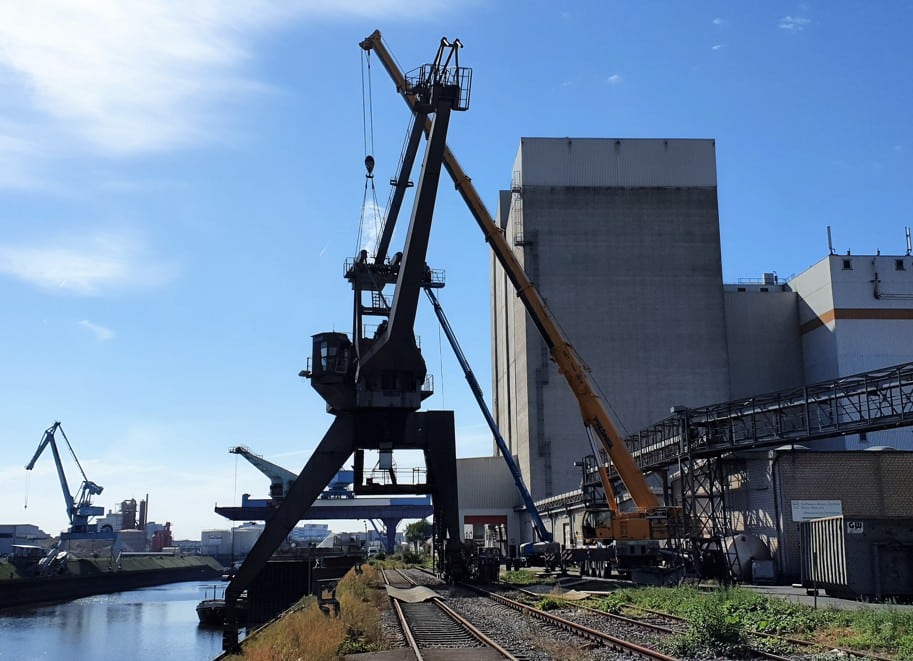
Conserving resources and protecting the environment – this principle is upheld by the logistics service provider RheinCargo with its flexible transport and handling solutions via rail and in the inland port. The company also takes sustainable approaches to recycling, as the latest example shows: An outdated crane in the Neuss port has now been dismantled and reintroduced into the product cycle for steel production.
(Neuss) The good piece had seen better days: Crane 20 at the harbor basin 4 in Neuss was built in 1975 and subsequently handled millions of tons of feed and steel. However, the handling requirements have become significantly more complex over time. “In light of recurring maintenance measures, we decided to dismantle the crane and replace it with a new conveyor system,” explains port area manager Lukas Klippel.
On-site, the colossus was dismantled by a local company and fed into the circular economy. Steel is the most recycled material in Germany. Recycling saves a significant amount of CO2 emissions compared to production from ores. Researchers at the Fraunhofer Institute have found that the steel industry saves 4.3 tons of CO2 in further production by using one ton of recycled scrap from stainless steel (Source: Center for Economics of Materials CEM).
Instead of Crane 20, a conveyor belt has now been installed. This is connected to two other crane systems that, like the dismantled crane, were previously operated in isolation. “Instead of previous island solutions, the system now operates integrated, which also provides a fallback safety,” says Lukas Klippel.
Photo: © RheinCargo / Image caption: Crane 20 was dismantled at harbor basin 4 in Neuss, and the steel scrap was reintroduced into the product cycle.