


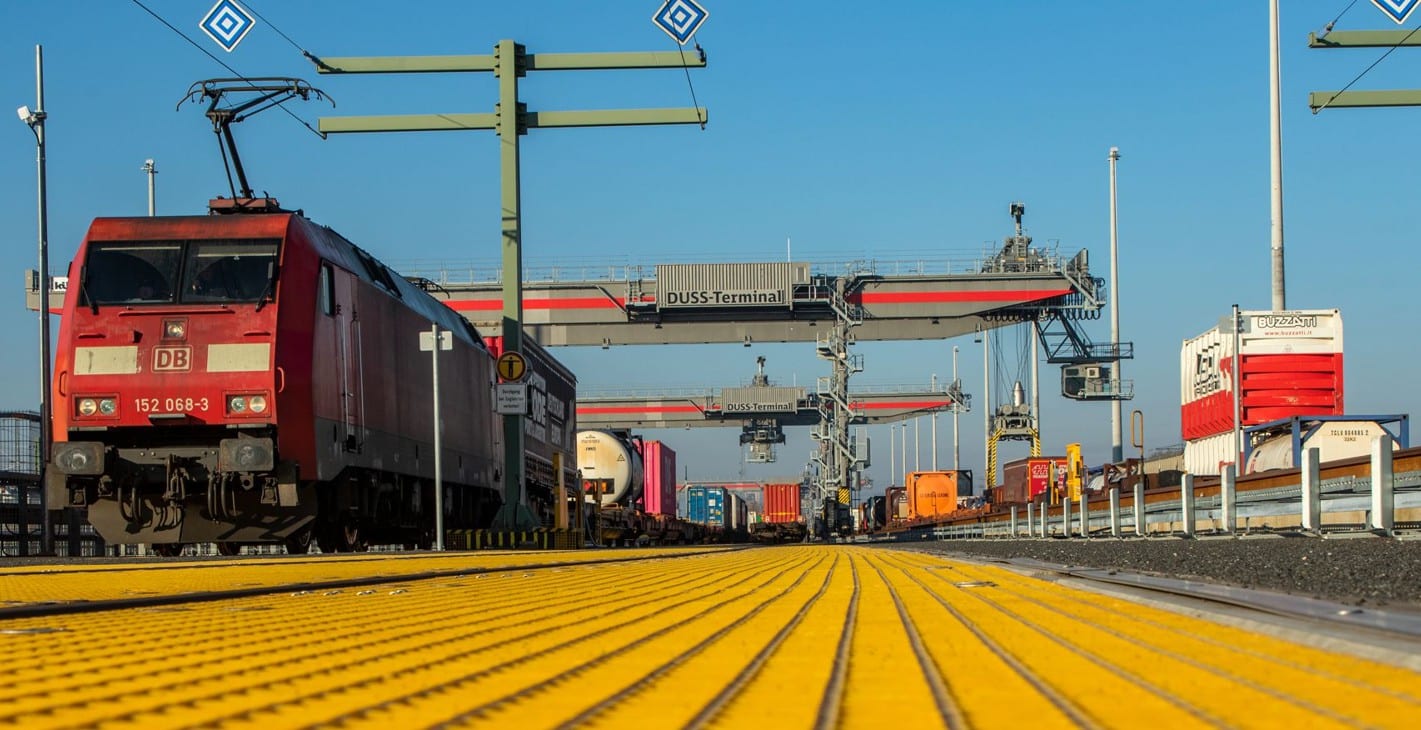
Combined Transport Achieves Turnaround in Volume Development in 2021
Jun 23, 2022 at 1:55 PM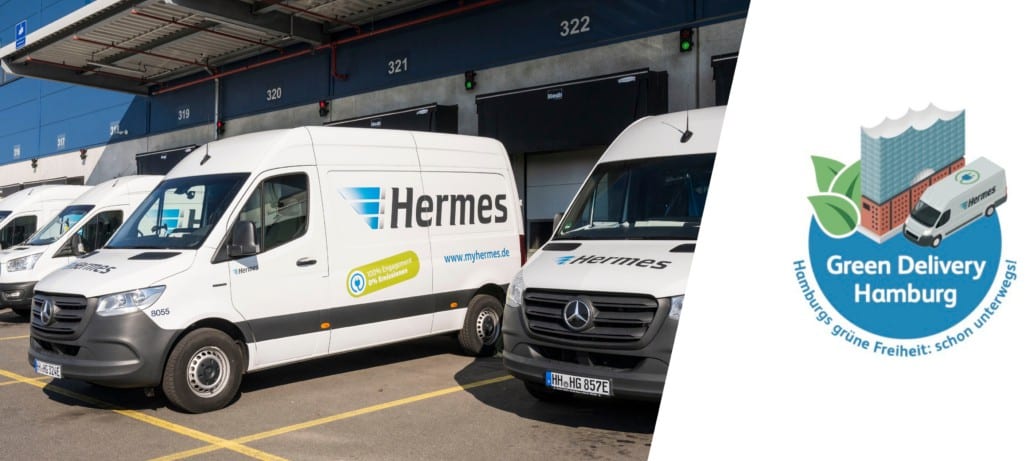
Hermes: Emission-Free Delivery in Hamburg Starting 2023
Jun 26, 2022 at 3:40 PM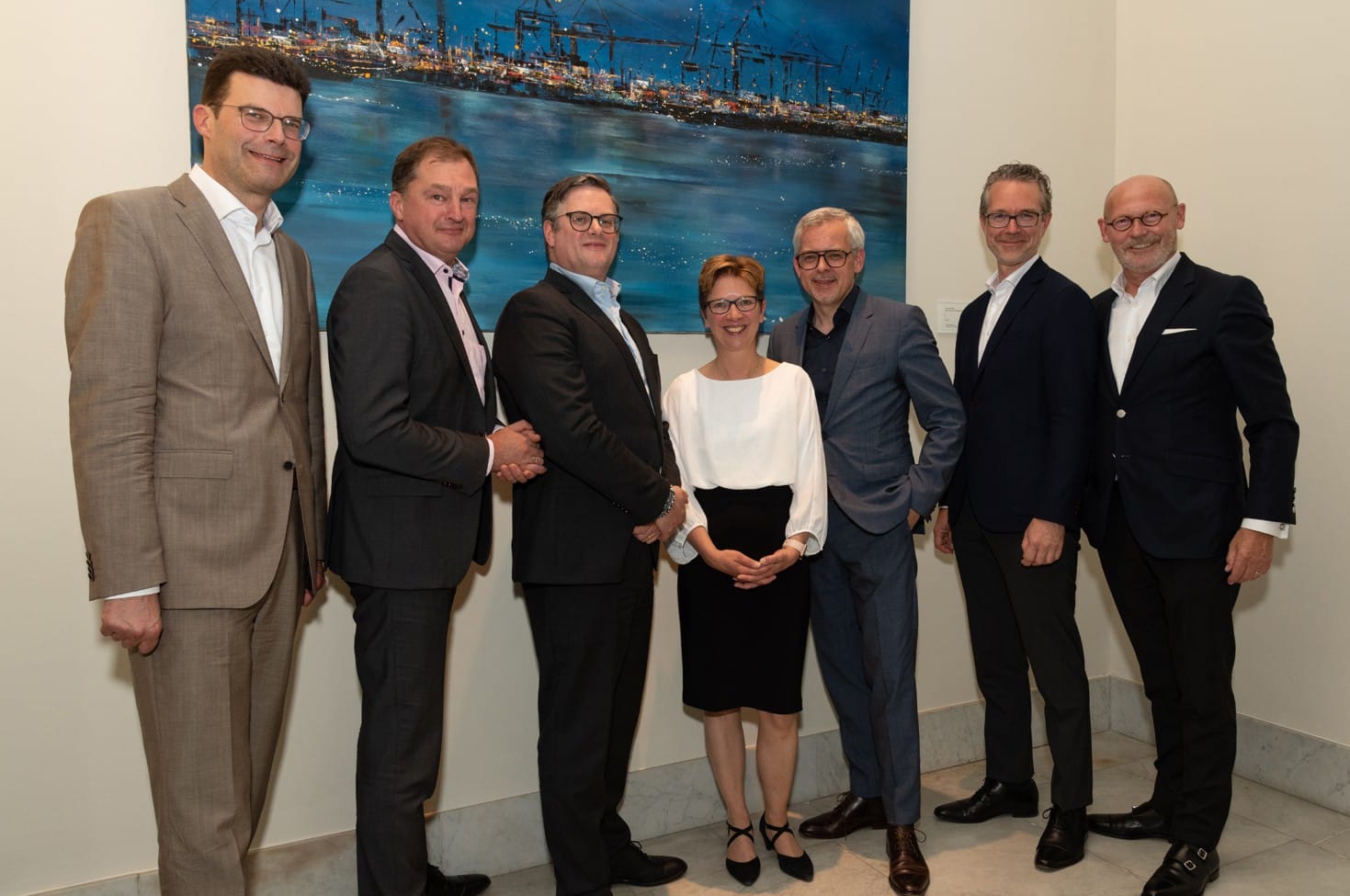
A closer cooperation between the German North Sea ports is possible. This was one of the results of the first joint port evening of the North German Sea Ports in Berlin. More than 100 participants followed the exciting discussion rounds led by DVV publishing director Oliver Detje.
(Berlin) Under the heading “German North Sea Ports – Together Towards the Future,” business representatives and the responsible leaders of the ministries in charge of ports discussed the future positioning of the German North Sea ports. Not only at the federal level is port policy being considered, but new port development plans are also currently being developed in Bremen and Hamburg. In Lower Saxony, a paper has recently been prepared that describes the perspectives of the ports for the coming decade.
Strengthening Competitiveness
In all federal states, the discussions are shaped by the same objectives: It is about strengthening competitiveness, especially against the nationally heavily supported locations in Belgium, the Netherlands, and France, and about expanding infrastructure. The event made it clear that, in addition, the major future topics of energy security, climate neutrality, digitalization, and automation are becoming central fields of port policy.
More Support for the Ports
To tackle these tasks, the National Port Strategy must offer significantly more support for the ports. At the same time, the port locations are called upon to master the upcoming challenges in close cooperation. Against this background, the port locations will set additional impulses for close port cooperation with further joint event formats.
Redevelopment of Port Strategy Absolutely Necessary
Dr. Claudia Schilling, Senator for Science and Ports: “The redevelopment of a National Port Strategy is absolutely necessary in the current situation. Only if the federal and state governments, as well as the port and transport industry, work closely together can the ports ensure Germany’s supply security and energy policy independence. Bremen and the other coastal states will also continue to fulfill their responsibilities and invest in port infrastructure. At the same time, we expect the federal government to participate in an appropriate manner.”
Framework Conditions Must Be Right
Michael Westhagemann, Senator for Economic Affairs and Innovation: “We need to be faster. The framework conditions must be right. Only then will we all develop the future of the ports together. And only then will our ports become energy hubs, and only then will we succeed in achieving climate neutrality.”
Expanded Infrastructure Essential
Dr. Berend Lindner, State Secretary of the Lower Saxony Ministry of Economic Affairs, Labour, Transport and Digitalization: “For the North German ports, a high-performance transport network and a well-developed infrastructure are essential. To strengthen the competitiveness of our seaports compared to the western ports, infrastructure projects must be accelerated further. The current example of the planning and realization of the LNG terminal in Wilhelmshaven clearly shows that timely implementation of large projects is possible. The federal LNG acceleration law sets the crucial legal framework for this.”
Photo: © Hafen Hamburg Marketing e.V. / Image caption: (l. to r.) Lutz Könner (Central Association of German Seaport Operators e.V.), Kay Lohse (German Sea Freight Committee in the Federal Association of German Industry e.V.), Dr. Alexander Geisler (Association of Hamburg and Bremen Ship Brokers e.V.), Dr. Claudia Schilling (Senator for Science and Ports of the Free Hanseatic City of Bremen), Oliver Detje (DVV Media Group GmbH), Dr. Berend Lindner (State Secretary of the Lower Saxony Ministry of Economic Affairs, Labour, Transport and Digitalization), Michael Westhagemann (President of the Authority for Economic Affairs and Innovation Free and Hanseatic City of Hamburg)