


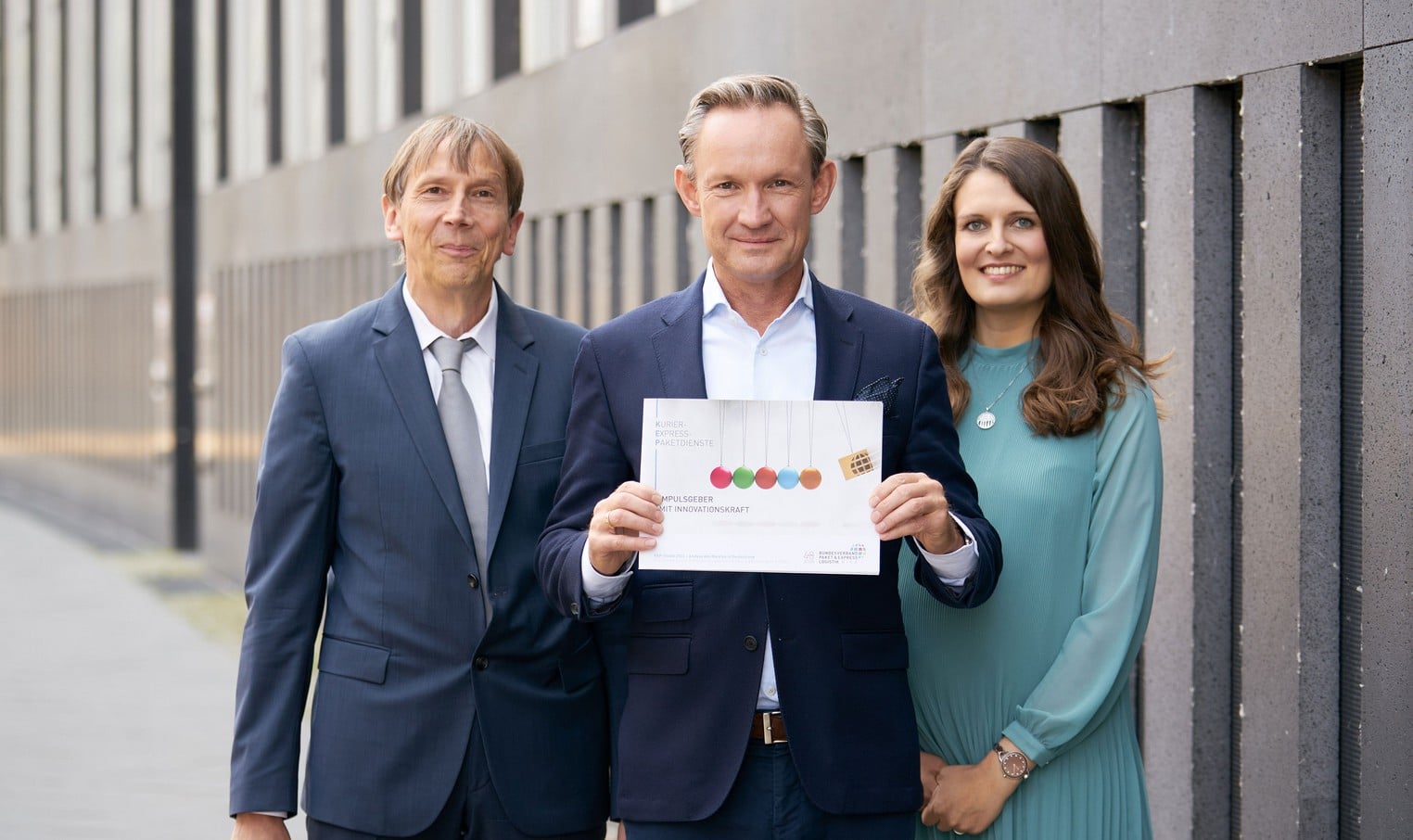
Federal Association BIEK Releases KEP Study 2022
Jun 16, 2022 at 7:32 PM
xpack green logistics takes on single-use packaging
Jun 16, 2022 at 7:48 PM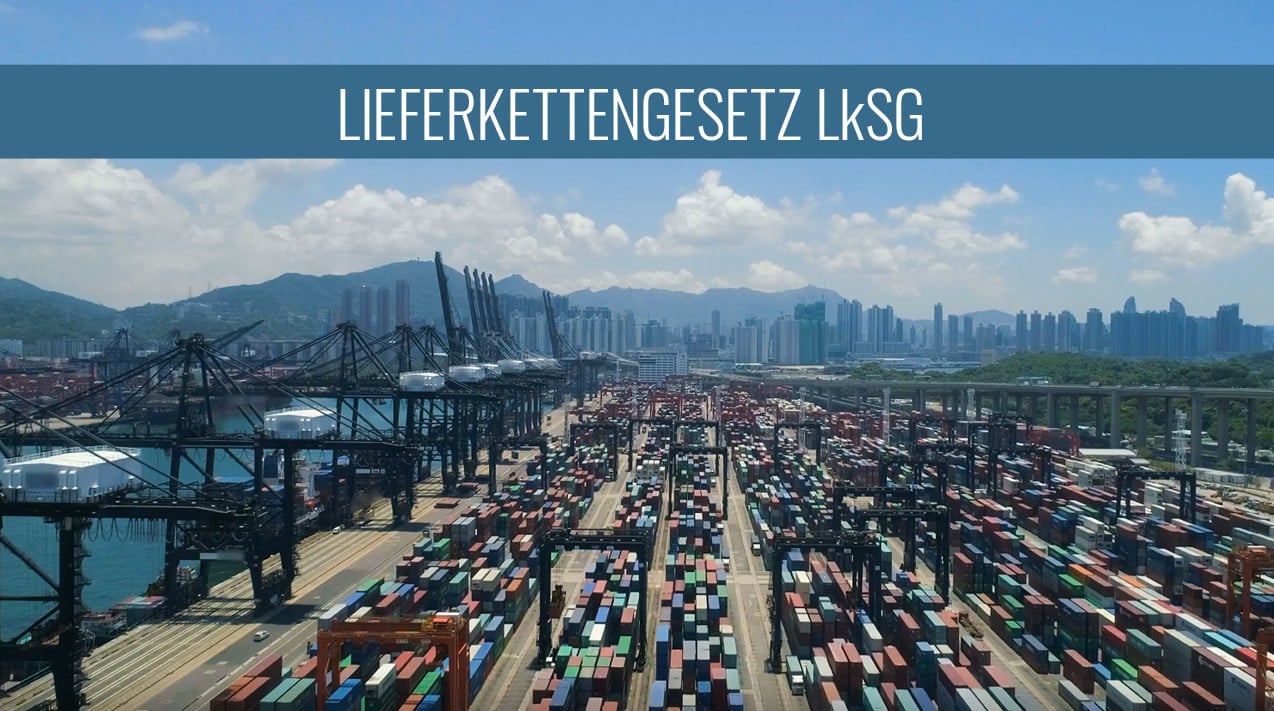
The Supply Chain Due Diligence Act (LkSG) requires companies to implement human rights and environmental standards. Dr. Mussmann & Partner advises companies on the implementation of the LkSG. To this end, the affected companies must analyze relevant risks and establish a risk management system. Preventive projects must be implemented, complaint mechanisms must be created, and documentation and reporting obligations must be observed.
(PresseBox; Hanover) The new Supply Chain Due Diligence Act (LkSG) is currently viewed critically by many companies – after all, it usually means significant additional work. The law defines human rights and environmental standards that must be legally adhered to by companies based in Germany both in-house and throughout their supply chains. The requirements apply from 2023 for companies with more than 3,000 employees, and from 2024 also for those with 1,000 employees.
The LkSG obliges companies to analyze risks related to human rights and environmental standards and to establish an appropriate risk management system. If necessary, preventive projects must be implemented, and complaint mechanisms must be created through which the respective company can be informed of violations. Furthermore, the law imposes significant documentation and reporting obligations on companies. In case of violations, it provides authorities with intervention options and, in addition, high fines, and it creates the possibility for affected individuals and non-governmental organizations to file lawsuits.
More and more people demand ethics-based actions
These are high demands, not only on the affected companies. Through supplier obligations, even companies that are not directly affected and have fewer employees than the thresholds specified in the law will have to deal with the LkSG. Nevertheless, this also presents opportunities. Numerous societal studies from recent years indicate that the proportion of population groups for whom ethics-based actions in business are important is steadily increasing. If companies make their LkSG-related activities transparent to the outside world, this can indeed provide marketing advantages. These advantages arise not only in the B2C market, which is the business-to-consumer market focused on private individuals, but also in the B2B market between companies.
How can the requirements be implemented?
But how can the requirements of the LkSG be implemented in a way that is legally secure, pragmatic, and beneficial for the company? How can the necessary policy statement on human rights strategy be formulated, a risk management system be established, and an LkSG-compliant supplier management and complaint procedure be set up?
The agency Dr. Mußmann & Partner supports companies and public administrations in personnel development and specifically in leadership development.
Information about the LkSG using the example of a white paper from the Fraunhofer Institute for Material Flow and Logistics IML:
https://www.iml.fraunhofer.de/content/dam/iml/de/documents/101/27_Whitepaper_Lieferkettengesetz.pdf
Photo: © https://library.techsmith.com