

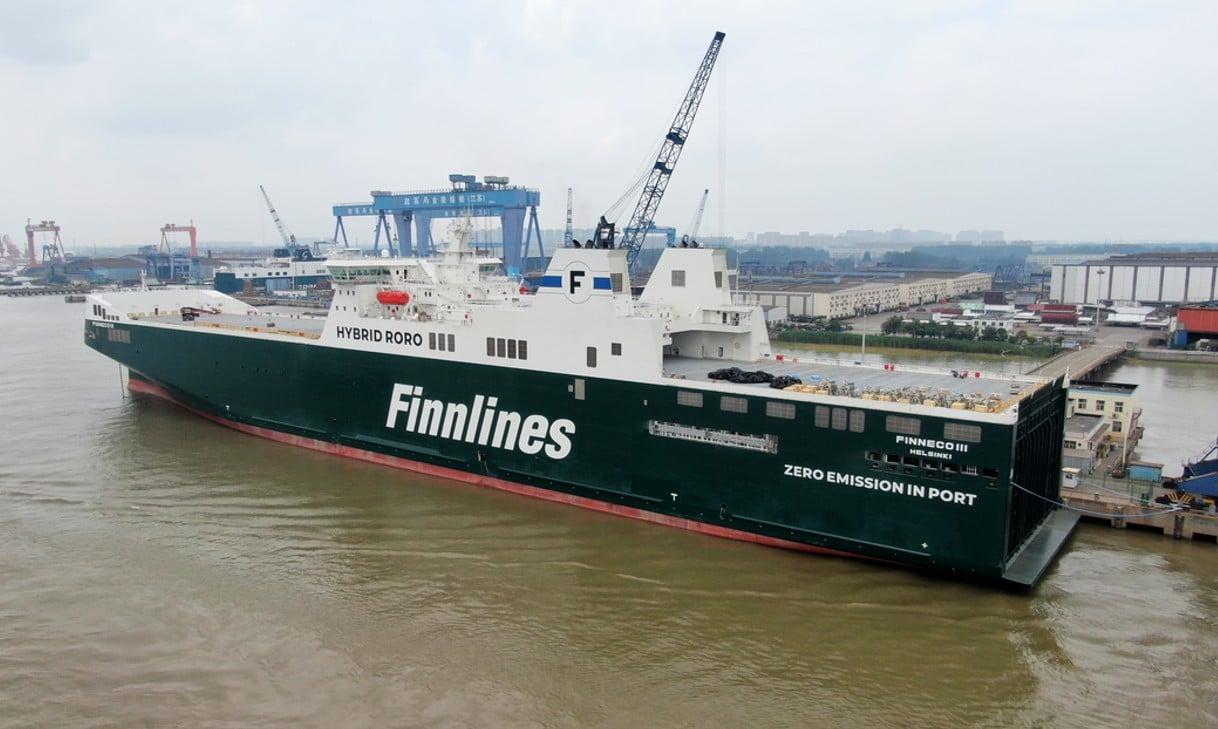
Finnlines Takes Delivery of Third Hybrid Ro-Ro Ship
Jun 7, 2022 at 7:04 PM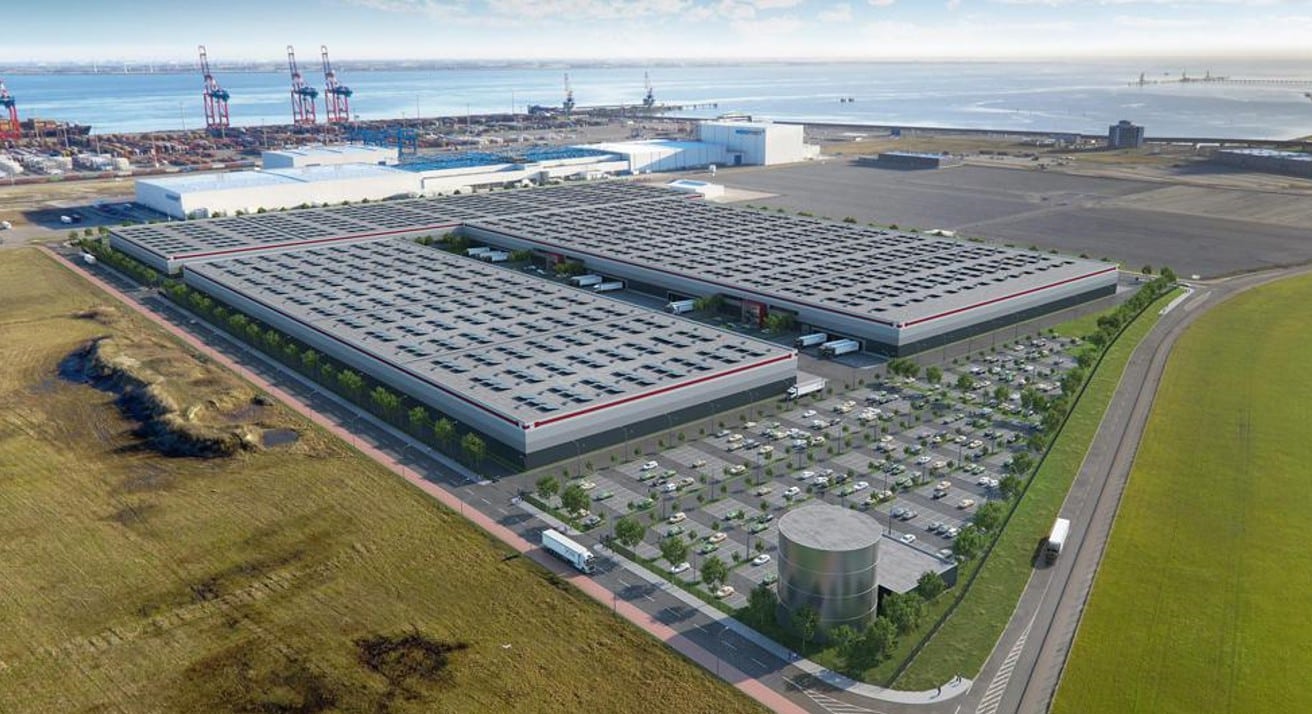
P3 Logistic Parks Develops Logistics Space in JadeWeserPort
Jun 7, 2022 at 7:22 PM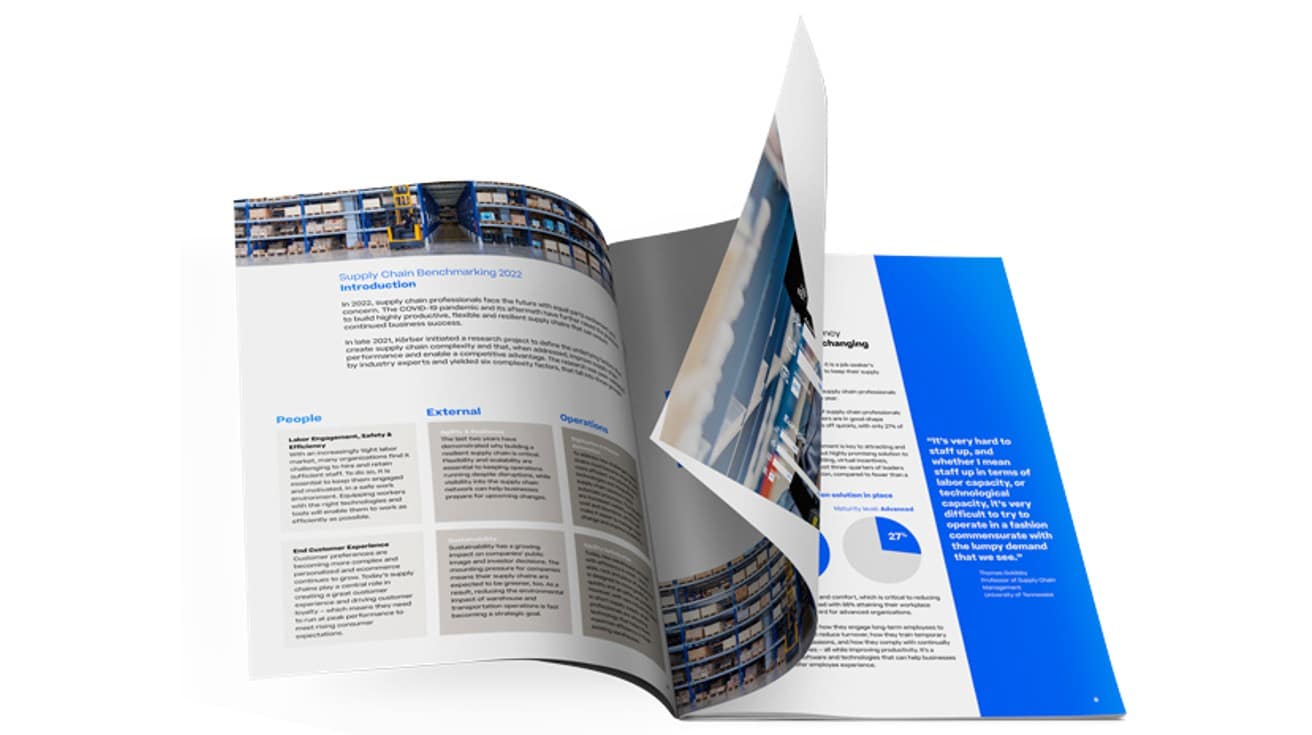
The end-to-end digitalization in logistics has the highest priority among logistics managers, as shown by the Körber Supply Chain Benchmarking Report 2022, which addresses best practices in the industry and opportunities for operational optimization. More than 200 companies with over 500 employees were surveyed.
(Hamburg) Awareness of the growing complexity in logistics and influencing external factors is high. Nevertheless, there is enormous optimization potential in implementing measures to improve customer satisfaction, work efficiency, or process automation. This is the conclusion of the Körber Supply Chain Benchmarking Report, which states that many companies face increasing challenges due to the rise of online commerce (e-commerce) and the interconnections of the globalized world market.
The results are based on a representative survey of more than 200 companies and provide an unprecedented insight into the dominant challenges of the industry, as well as proven optimization methods to enhance operational performance and efficiency. The survey found that 84% of companies assign a strategically high priority to digitalization; however, only a minority utilizes automated, paperless end-to-end processes in logistics. The report highlights the relevance of (cross-site) software solutions, solutions to enhance employee engagement (e.g., voice), and sustainability practices. It serves as an important resource for logistics managers to find out which logistical processes already exhibit a high level of performance – and in which areas the greatest optimization potential exists.
Companies are responding to this
“The study shows that companies recognize the increasing complexity along the supply chain and are also responding to it, making full use of the potential of the digital age. There is a growing awareness that many challenges can be addressed with the help of technology, creating competitive advantages. The companies classified as leaders particularly differentiate themselves through investments in employee retention and engagement, concrete implementation plans for sustainable operational practices, and an advanced level of digitalization with consistent process automation,” emphasizes Rene Hermes, Executive Vice President and Chief Marketing Officer at Körber Supply Chain Software.
Divided into six operational areas
The Körber Supply Chain Benchmarking Report is divided into six operational areas: (1) employee engagement, safety, and efficiency, (2) end customer experience, (3) sustainability, (4) agility and resilience, (5) digitalization and process automation, and (6) asset optimization. Based on this, the participating companies were classified into the following maturity levels: leading, advanced, developing, and initiating. Of these, 35% of the surveyed companies were classified as “Leaders” (Top Performers), characterized by robust and future-proof processes.
The key findings of the study at a glance:
- Two-thirds of the surveyed supply chain executives are dissatisfied with their workforce. As a result, 73% of leading companies are increasingly using innovative technologies, such as gamification, to enhance employee engagement.
- 92% of respondents see a direct impact of the logistical performance level on customer satisfaction. This explains the growing use of Order Management Systems (OMS), which can optimize the accuracy, speed, and cost of order processing across locations. All leading companies within this category use an OMS, while this is only the case for just over half of the advanced companies.
- Sustainability is becoming increasingly important. For 89% of companies, it is a top priority. Compared to advanced companies, leading companies are three times more likely to switch to more sustainable packaging materials and implement circular economy projects four times more likely.
- Digitalization and process automation are the highest priority for 84% of all companies. In this operational area, 59% of leading companies can implement projects with internal resources, compared to only 23% of advanced companies.
Consensus across all industries
“There is a consensus across all industries that global logistics is becoming increasingly complex and the demands are becoming more unpredictable. Unfortunately, there is often a lack of a clear understanding of the underlying causes and suitable initiatives to improve efficiency in the face of the current, challenging, and extremely volatile environment. Everyone strives for ‘agility’ and ‘resilience,’ but none of this is possible without identifying the true levers for improvement within their own global supply chain in detail. The benchmarking study we conducted on behalf of Körber is the first of its kind to use so-called ‘key factors of complexity’ to answer questions about these levers and determine which practices distinguish leading companies,” adds Sebastian Feldmann, Partner and Global Co-Head of Supply Chain & Logistics at the international strategy consulting firm Roland Berger.
Broad-based research initiative
The study is part of a broad-based research initiative in collaboration with leading international analysts and examined more than 200 companies in North America and Europe with at least 500 employees. The full results are available at benchmarking.koerber-supplychain.com. The website also offers a self-assessment feature to provide interested parties who want to compare their own supply chain with others a first insight into the maturity level of their logistics processes.
Request Report
Photo: © Körber Supply Chain