



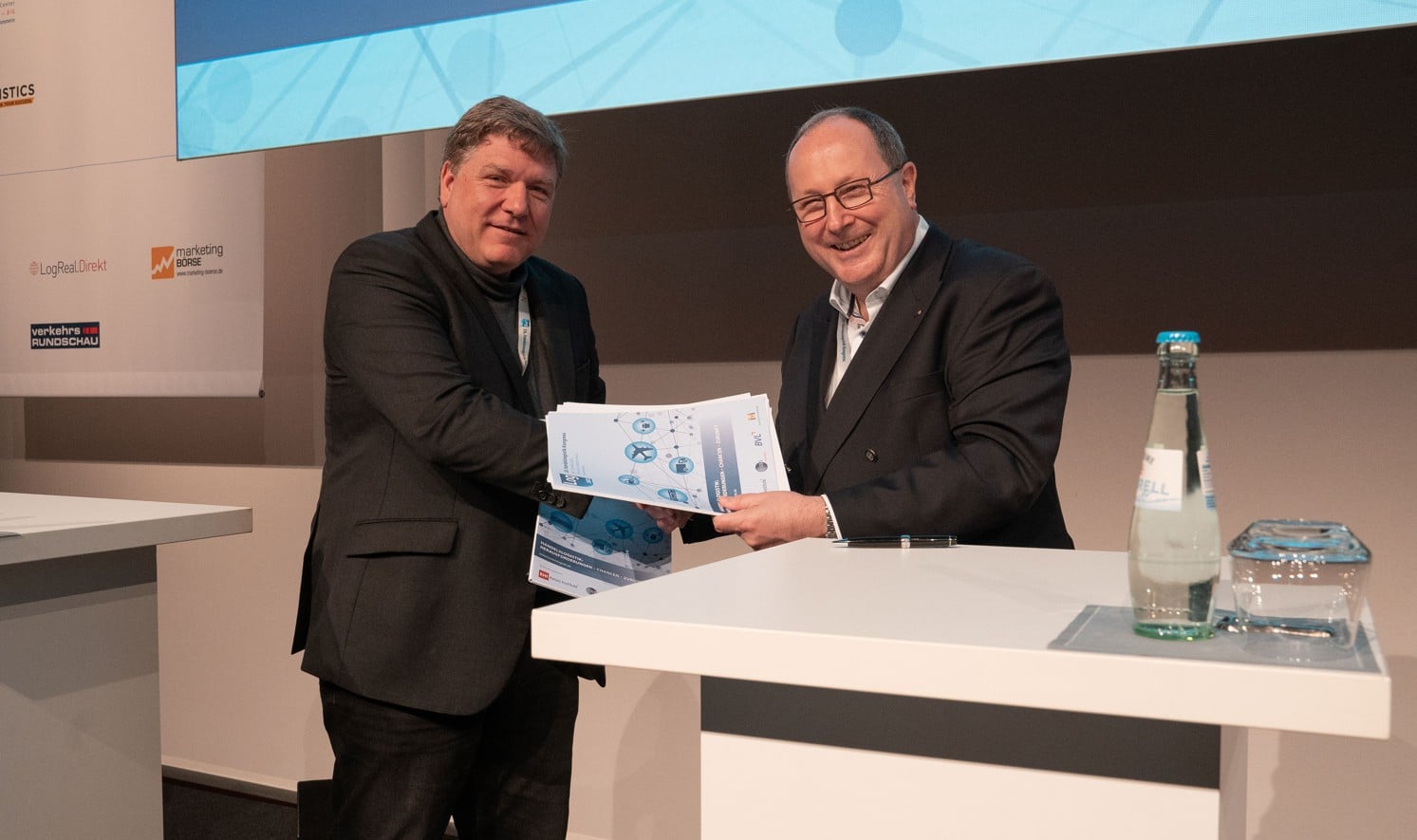
BVL and GS1 Germany Launch the Digital Delivery Note
Mar 30, 2022 at 6:38 PM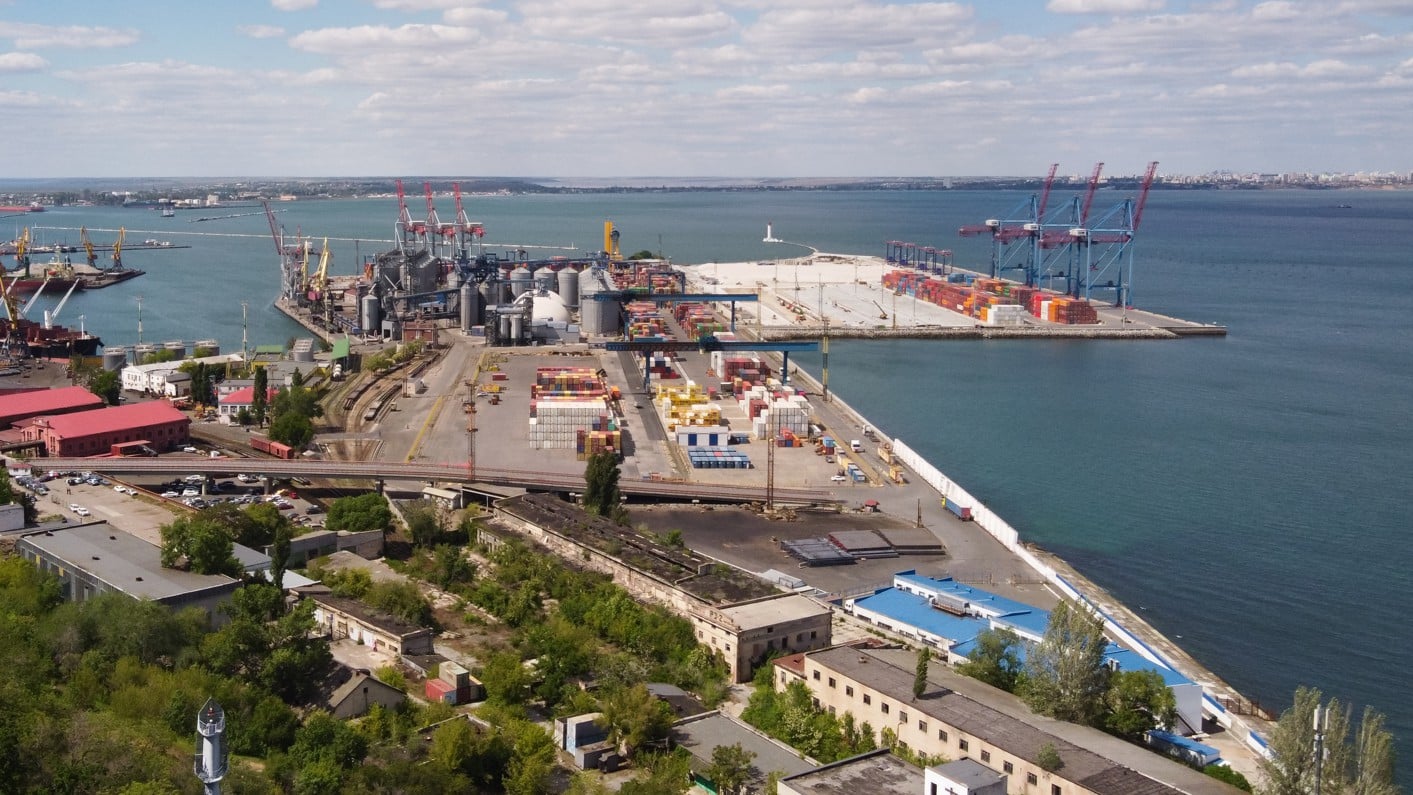
VDR demands safe passage for ships stranded in Ukraine
Mar 30, 2022 at 7:13 PM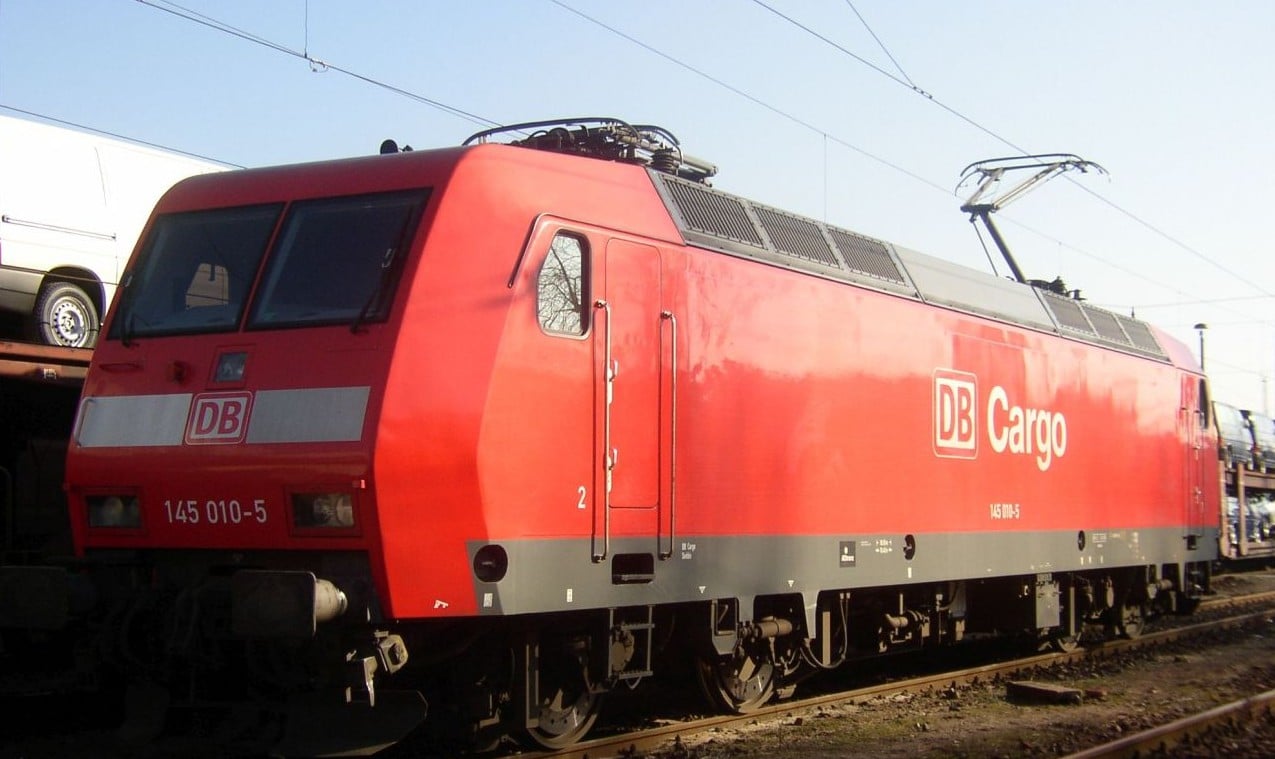
When Deutsche Bahn AG presents its annual financial statement to the public on Thursday, a familiar picture will emerge, according to a media report: profits at DB Netz AG, losses for the Cargo division. The Network of European Railways (NEE) speaks of a likely cross-subsidization of the cargo deficit through track access charges paid by its competitors.
(Berlin) The performance of DB Cargo is not only particularly relevant for fair intermodal competition from the perspective of freight railways, but it also produces conclusions in politics and the public about the rail system as a whole, which always claims to be able to deliver more. “For the freight railways not belonging to DB, which have predominantly operated with black figures even during the pandemic, the seventh consecutive negative annual result of DB Cargo is no reason for joy. The reported figure of minus 480 million euros in the ‘Tagesspiegel’ casts a bad light on the entire industry, which could actually achieve so much more. On the other hand, DB Cargo must answer the question of how these results come about from us.
EU Commission has announced an investigation
Deficits in single wagon traffic alone cannot explain this,” comments Peter Westenberger, Managing Director of the Network of European Railways. The EU Commission has announced an investigation into the suspicion that Cargo is offering services below cost and that the resulting deficit is continuously balanced out by the internal profit transfer agreements within the group. “If, as also reported by the ‘Tagesspiegel’, DB Netz is simultaneously making significant profits, competitors would ultimately be financing DB Cargo through their track access charges,” says Westenberger.
Suspicion of impermissible cross-subsidization?
The suspicion of impermissible cross-subsidization within the group is pressing. “One more reason for politics to immediately terminate the control and profit transfer agreements between DB Group and DB Netz and, in a second step, to reorganize the infrastructure division in a community-oriented manner, as announced in the coalition agreement.” In a letter to the Federal Minister of Transport, the Association of Freight Railways calls for addressing the competitive distortions in the rail transport market, as well as the disadvantages for DB Cargo and its competitors, which arise from the promotion of road freight transport and the quality deficits in rail infrastructure. With regard to the government’s goal of increasing the rail market share in freight transport to 25 percent by 2030, the letter states: “In order to achieve the desired growth on the rail in a joint and fair competition, you must use your first DB balance sheet for the necessary inter- and intramodal course corrections.”
Photo: © DB Cargo