



The transport logistic in Miami is on a good path
Mar 21, 2022 at 4:49 PM
NEE Questions Traffic Shift to Rail by the Traffic Light Coalition
Mar 21, 2022 at 5:01 PM
The new EU Supply Chain Act is set to be even stricter than the German Supply Chain Act. Prominent media outlets, such as the Frankfurter Allgemeine Zeitung, report exclusively. According to Mikkel Hippe Brun, co-founder and Senior Vice President, Greater China at Tradeshift, the digitization of the supply chain is also a crucial component.
(Kopenhagen) The EU’s tough stance against environmental and human rights violations in the supply chain reinforces the claim that ESG (Environmental Social Governance) is the latest variant of “greenwashing” – a fig leaf that looks good in a company’s annual report but rarely brings real benefits. In fact, the reasons for companies’ failures in the ESG area are also why the “stick only” approach will fail.
The lack of effective, industry-wide ESG measures should not disguise the fact that many companies have a genuine desire to make their business operations more ethical and sustainable. The problem is not the will, but the way supply chains have functioned for decades. The relationships between buyers and their suppliers are still predominantly based on paper documents. This makes it practically impossible to trace goods and materials back to their source through the many layers of supplier relationships. In 2018, Deloitte found that two-thirds of companies have only limited or no visibility into their supply chain below the first tier of suppliers.
Supply Chain Digitization Leads to Significantly More Transparency
The fact is that no amount of “sticks” in the form of enforced compensation payments will solve this problem. The lack of transparency in the supply chain makes it difficult for regulators to even recognize the grossest violations. If governments and companies are serious about making supply chains fair, sustainable, and resilient in the long term, they need comprehensive real-time data about the entire network of relationships. And this can only be achieved with more digitization throughout the supply chain.
If the European Union helps companies achieve complete transparency in the supply chain through digitization, they will find that they are knocking on open doors. There is ample and increasing evidence that companies pursuing the strategy of “doing good by doing good” are better prepared to deal with adverse circumstances and represent a lower investment risk. Better, more ethical, and sustainable supply chains will be one of the bright spots of the pandemic – but fines and other penalties are no substitute for engagement, education, and partnership with the companies of the world.
Source:
- https://www.faz.net/aktuell/wirtschaft/eu-plant-lieferkettengesetz-strenger-als-deutsche-regelung-17822922.html
- https://www2.deloitte.com/au/en/pages/media-releases/articles/deloitte-finds-leaders-dont-have-visibility-supply-chain-070318.html
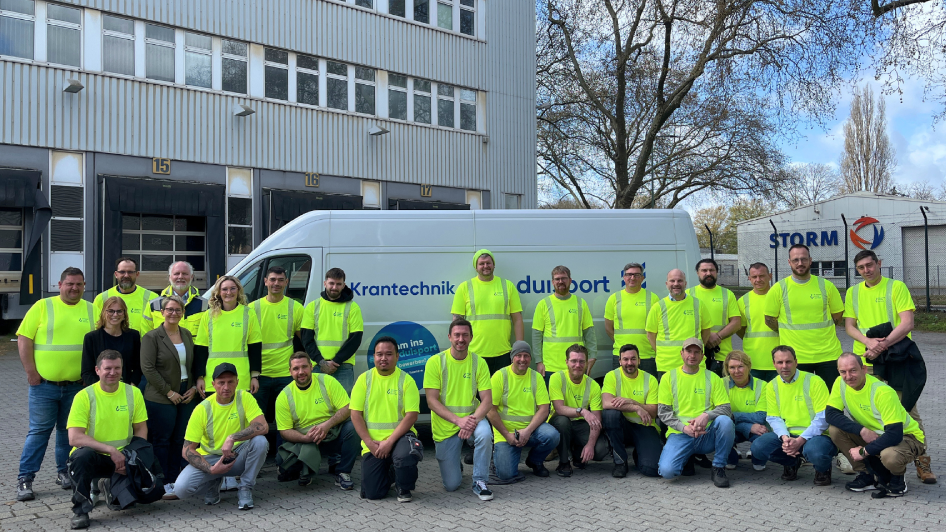
Photo: © Tradeshift / Caption: Mikkel Hipp Brun