


LIP Invest focuses on more solar energy for logistics properties
Dec 21, 2021 at 7:38 PM
DHL Introduces Green Carrier Certification for Freight Carriers
Dec 21, 2021 at 7:54 PM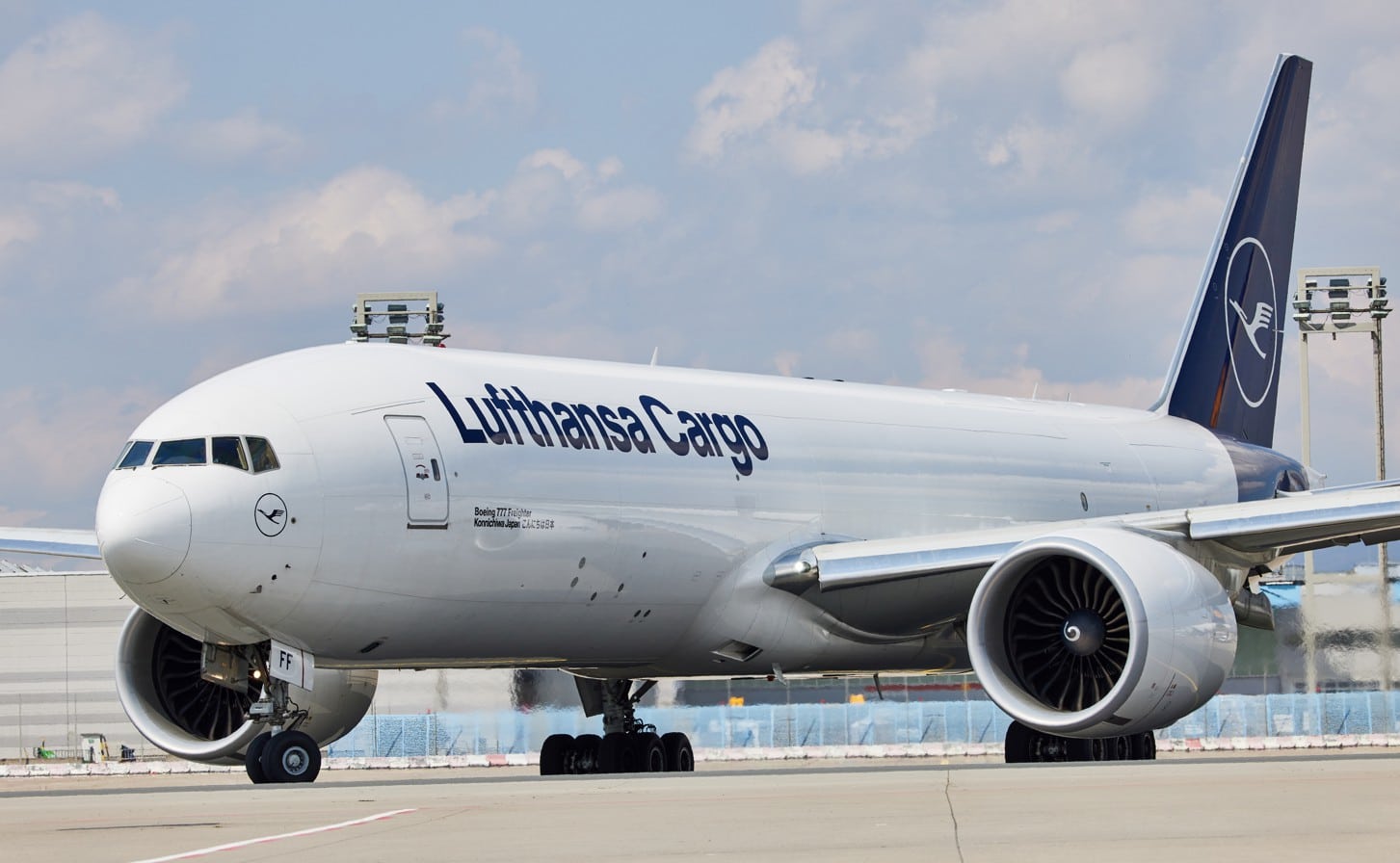
The air freight sector also benefited in 2021 from the persistently high global transport demand, which was further intensified by bottlenecks in sea freight and disruptions in global supply chains. Industry experts expect further growth driven by the increasing e-commerce business in the coming years.
(Frankfurt/Main) Members of the Aircargo Club Germany (ACD) discussed the challenges and opportunities of the coming year with Ashwin Bhat, the new Chief Commercial Officer of Lufthansa Cargo AG since March.
After the air freight market initially collapsed sharply with the outbreak of the Corona pandemic last year, the demand for air freight capacities has now risen significantly above pre-crisis levels, according to the international industry association IATA. However, air freight capacities are still not as available as they were before the pandemic. In October 2021, the available capacities remained 8 percent below the level of October 2019. The reason for this is the lack of intercontinental passenger flights, which also carry large quantities of cargo. Ashwin Bhat, Chief Commercial Officer at Lufthansa AG, reported at the Aircargo Club Germany that the capacity gap is expected to persist until 2025.
Despite all the challenges, air freight has proven its value over the past two years, achieving record tonnages through speed and flexibility. The total tonnage grew by 5 percent from January to August 2021 compared to 2019. Due to the increased demand for semiconductors from more people working from home, tonnages in the high-tech sector increased by 11 percent. For example, there was a 55 percent increase in laptops alone. The pharmaceutical sector also showed significant growth of 17 percent. In the first half of the year alone, 7,000 tons of vaccines were transported by air freight.
Automotive industry segment also increased
Due to supply chain problems in the automotive industry, air freight volumes in this segment also rose by 23 percent. “Disruptions in the supply chain and the resulting delivery delays have led to long delivery times from suppliers. This usually results in manufacturers using faster air transport to make up for lost time during the production process,” explained Ashwin Bhat. This is particularly true as the sea freight sector is still struggling with significant backlogs. For instance, in mid-November, 111 container ships were waiting in the ports of Los Angeles and Long Beach for unloading – before the pandemic, the record was 17 ships. Among other things, these problems led many airlines to achieve record results with their air freight divisions, including Lufthansa Cargo.
Overall, Ashwin Bhat does not expect any lasting negative effects of the pandemic on the air freight market. Economic indicators in key markets support this positive outlook for 2022. According to the OECD, global GDP is expected to be 7 percent above the level of Q4 2019 by the end of 2022. “2021 was a very challenging year. However, we prepared and implemented numerous measures in a timely manner to meet these challenges. E-commerce will continue to be an important driver of the air freight business, and ad-hoc freight will also continue to make up a significant part of air freight demand. But this is also where the strength of the industry lies. We are working hard to be the first choice for freight transport for our customers,” summarized Ashwin Bhat in his presentation.
Air freight must meet future requirements
Prof. Dr. Christopher W. Stoller, President of the Aircargo Club Germany, added: “In 2021, we saw how the goods to be transported shifted in favor of air freight. However, to be successful in the long term, air freight must meet certain requirements. Digitalization, sustainable air traffic, and evolving customer demands for more speed and even greater flexibility are just a few important topics that need to be addressed.”
Photo: © Lufthansa Cargo/Oliver Rösler