


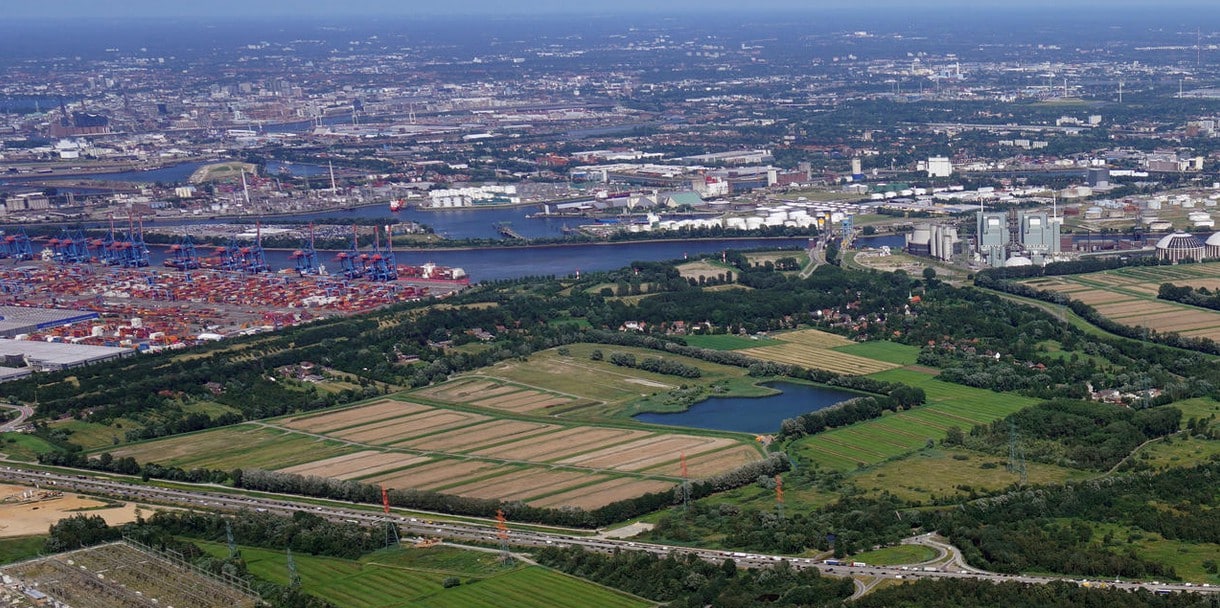
Energy and Climate Port Moorburg Important for the Port of Hamburg
Nov 24, 2021 at 6:43 PM
The Associations DSLV, DVF, and VDR on the New Federal Government
Nov 25, 2021 at 6:19 PM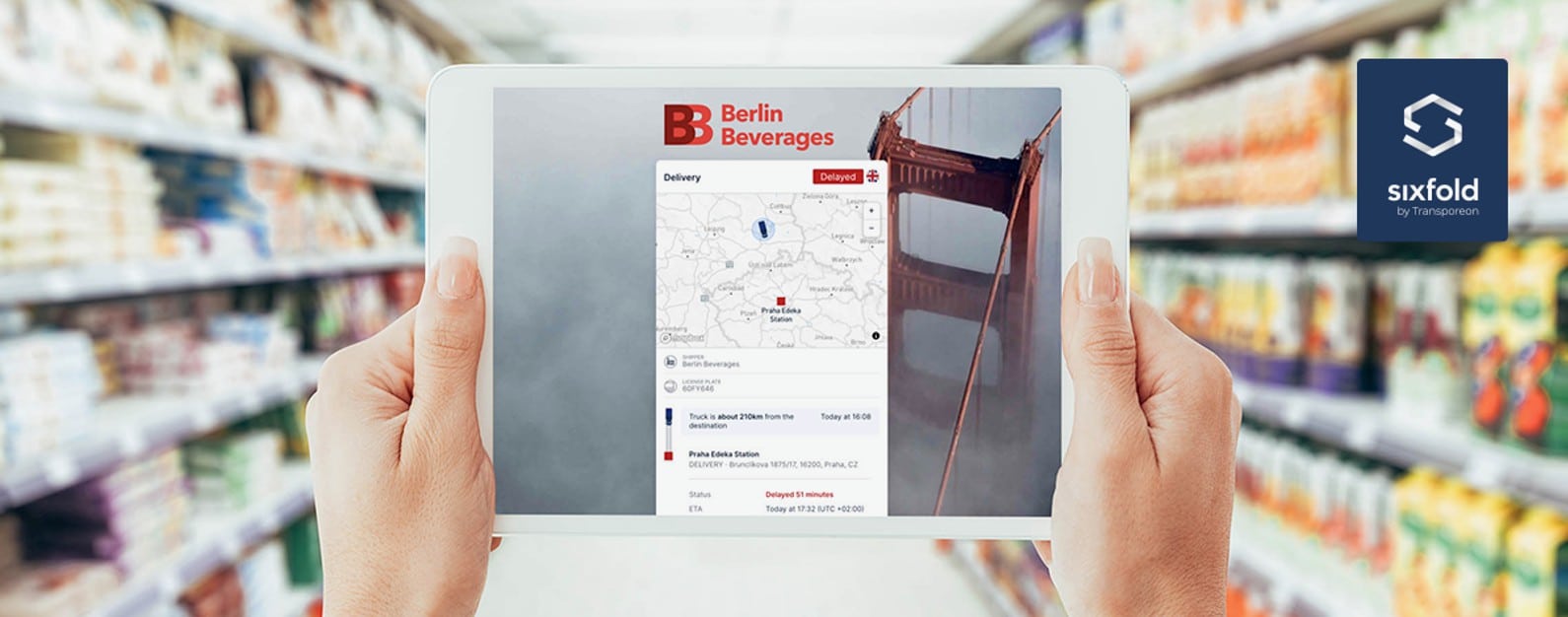
Fast Moving Consumer Goods (FMCG), also known as fast-moving products or “bestsellers” in the German-speaking world, refer to goods that rotate quickly on the sales shelf. This includes everyday necessities such as food, personal care products, or cleaning supplies. Consumers tend to grab these products off the shelf without much thought. Just as quickly as the purchasing decision is made, the availability of these products for retail must also be ensured. Retailers need to ensure that they can meet their customers’ needs as quickly as possible. Jesper Bennike addresses this topic in his report.
By Jesper Bennike
(Wien) Consumer purchasing behavior has changed drastically over the past 18 months. The pandemic has led to more consumers ordering everyday products and groceries online. This has increased pressure on companies to meet the rising demand in online retail. They must ensure that their processes are efficient enough to keep pace with the increased demand.
Today’s customers are more demanding than ever. Customer complaints in e-commerce mainly relate to faster response times and shipment tracking. Consumers want to be informed quickly and unsolicited about delays or interruptions during the delivery process. Given these challenges, it is clear that greater visibility within the supply chain can play a key role in improving these processes. Real Time Visibility (RTV) can demonstrably improve operations and processes in the following three areas.
Making the Supply Chain More Efficient
The added value of RTV typically becomes apparent very quickly: In a short time, the technology can help make retail supply chains more efficient. With RTV, companies receive real-time information about the status of a delivery and can quickly respond to any status changes if necessary.
This helps carriers inform their customers early about potential delays, allowing them to reprioritize their transports and reassign time slots. With real-time tracking of transports, customers can ensure that their warehouses are always ready for incoming shipments—regardless of whether the delivery arrives at the agreed time or not. By proactively reprioritizing processes, the time a truck spends in the warehouse can be minimized, and loading times can be reduced by more than 20 percent. All of this leads to faster throughput times and a more efficient warehouse operation.
Additionally, control calls are automated using RTV solutions, so customers receive consistent ETA updates and can quickly respond to disruptions and delays. This also saves transport companies a lot of time, as location information no longer needs to be manually queried from the driver.
Improving the Customer Experience
RTV provides carriers with the necessary tools to ensure full transparency over multimodal transports. As more operational activities are conducted using multi-leg solutions, RTV offers the opportunity to incorporate multiple modes of transport—whether rail, inland, or freight shipping—into the journey of a shipment.
This allows the entire transport process to be represented, leading to better insights and more transparency. This, in turn, strengthens customer trust, as they are immediately informed of any delays.
Moreover, employees gain valuable time back through the automation of control calls, which they can dedicate to handling customer inquiries. Customer service teams gain access to real-time information, allowing them to further enhance the customer experience and service.
For the Sake of the Environment
According to a study by Transporeon, 66 percent of carriers prioritize CO2 emissions in freight transport. RTV addresses this issue by providing detailed insights into the use of trucks across multimodal supply chains. This can help reduce the ecological footprint within the supply chain. For example, companies can track and optimize routes, reduce distances traveled, and better align capacity and demand. All of this can help reduce empty kilometers and thus improve the sustainability of the entire supply chain. Furthermore, the generated data can serve as a basis for measuring and quantifying sustainability goals, thereby further advancing CO2 reduction.
Keeping Operations Running
Resilience is particularly important for retail supply chains. Unfortunately, disruptions are part of everyday life in any global supply chain. Access to real-time information is therefore crucial for making processes more flexible and creating proactive workflows.
RTV data helps identify problems in advance and proactively communicate them to customers. Especially regarding holidays like Easter and Christmas or shopping events like Black Friday, access to real-time data is critical. Brexit and the pandemic have shown us what can happen when supply chains suddenly stop functioning smoothly. In the event of larger-scale disruptions, the ability to respond quickly to problems and resolve them is key to a functioning supply chain.
For example, Nestlé was able to use RTV to respond to fluctuating product demand and improve the resilience of its supply chains beyond the Covid-19 pandemic. RTV enabled Nestlé to identify issues and plan alternative routes/modes for more than 3,000 weekly international transports.
The Future is Here
All of this demonstrates the role RTV plays in improving retail operations. However, it is only the first step toward the complete digital transformation of the supply chain.
The greatest added value for all parties involved arises when RTV data is integrated into transport processing. AI and machine learning can enhance and automate decision-making—from dynamic time slot management to automated payment processes.
This is what the future of global supply chains looks like. Retail companies and FMCG providers must be ready to embrace this level of transformation if they want to succeed in an increasingly connected and complex world.
Jesper Bennike is Executive Director at Sixfold, Europe’s leading service provider for Real Time Visibility in the supply chain. He worked for over a decade in the global semiconductor industry for world-leading companies such as Texas Instruments, Lumileds, and Seoul Semiconductors. In 2015, Jesper co-founded GateHouse Logistics and grew the company into one of the leading visibility providers for full loads in Europe. Jesper has a passion for the transport technology business and works on technologies that not only improve customers’ EBIT but also create a better working environment and actually impact carbon emissions. Jesper’s team at Sixfold focuses on building and operating the world’s largest real-time data connectivity network, providing all stakeholders in the supply chain with a single data platform. www.sixfold.com