


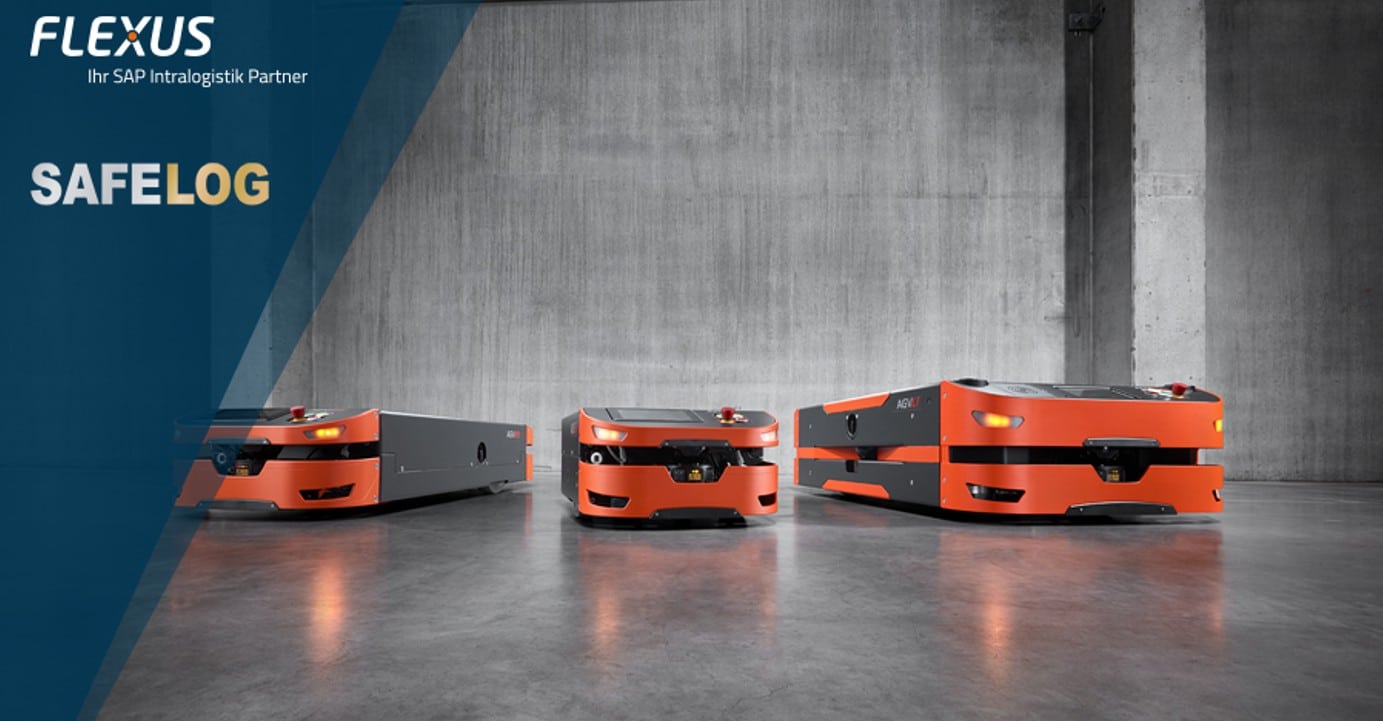
Intralogistics Specialists Flexus and Safelog Establish Partnership
Nov 19, 2021 at 6:48 PM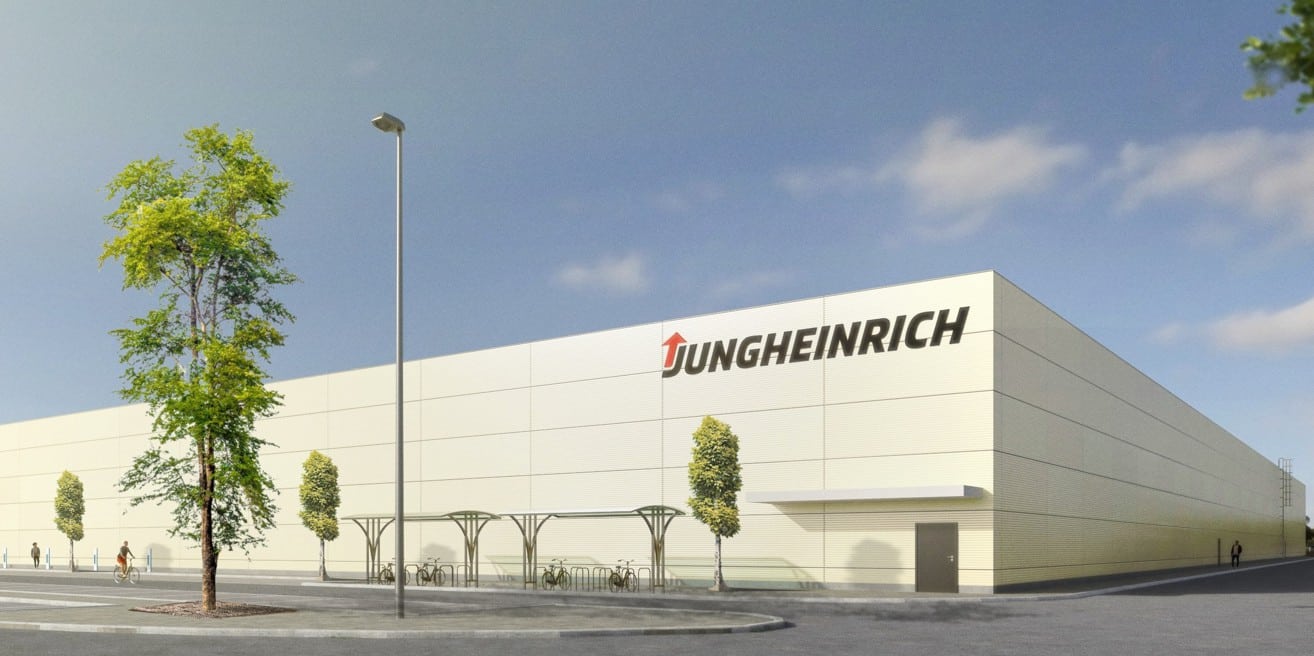
Jungheinrich Opens New Plant in Chomutov, Czech Republic
Nov 19, 2021 at 7:14 PM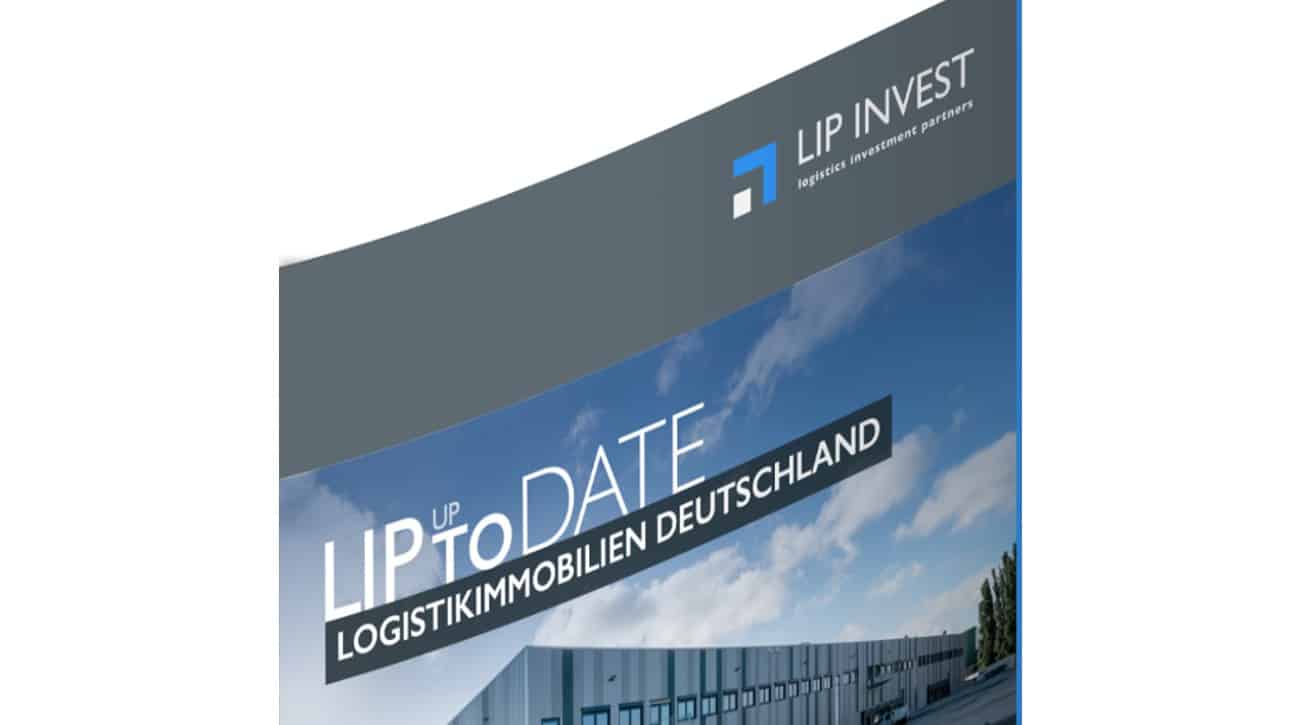
LIP Invest, a leading investment manager for logistics real estate in Germany, publishes its quarterly market report “LIP UP TO DATE – Logistics Real Estate Germany” detailing current developments in the highly sought-after asset class of logistics real estate. In addition to a review of the third quarter of 2021, the report also provides an outlook on the development of the investment market for the final quarter of 2021.
(Munich) The market report includes figures and information on transaction volume, space turnover, and new construction volume, as well as yield development depending on building age, location, property quality, and lease term.
The German logistics real estate market continues its success story in the third quarter of 2021: now with a new record for space turnover in the first nine months. The high demand for space is primarily attributed to the ongoing growth of e-commerce, but also to the replenishment of buffer stocks in light of ongoing material shortages and delivery difficulties. These factors have led to increased attention for the logistics sector in Germany.
Yields for logistics real estate have again decreased across all age classes and property qualities. The gross prime yield for new buildings now stands at 3.50 percent. Yields for existing buildings and properties in peripheral locations have also fallen.
“Even the yields for properties built before 1990 are now approaching the 5 percent mark. However, not every existing property is worth the prime yield. Sellers currently find themselves in a good negotiating position due to the high demand for logistics real estate, allowing them to negotiate high sale prices. There should still be a certain yield difference between new builds and existing properties. It is therefore even more important to pay close attention to location and property quality,” says Bodo Hollung, partner and managing director at LIP Invest. Yields for both new builds and existing properties are expected to continue to decline slightly until the end of the year.
Investment Market
The transaction volume of 1.9 billion euros results in a strong quarterly result for the German investment market for logistics real estate. With a total volume of 6.2 billion euros in the first nine months, the transaction volume is only slightly below the previous record from 2017. The share of individual deals predominates; about two-thirds of the volume is attributed to individual transactions.
LIP continuously analyzes developments in the German logistics real estate market. This includes monitoring the supply situation. In the third quarter of 2021, LIP properties with a volume of around 1.04 billion euros were offered for sale. For the traditionally strong year-end quarter, the projected volume is therefore relatively high again.
With a share of 60 percent, the user group logistics service providers clearly dominated the logistics real estate available on the market. In contrast, industrial companies as users were hardly represented in the market with a share of 8 percent.
New construction activities were very active in the first nine months, accumulating a volume of 3.8 million square meters. Of this, 1.4 million square meters were accounted for in the third quarter. In August, for example, the groundbreaking for a new DHL Freight freight center in Erlensee near Frankfurt was celebrated. The 83,000 square meter logistics center is intended to increase the capacities of the DHL Freight network and is a response to the growing demand for logistics services.
Space Turnover
In the first three quarters, 5.8 million square meters were transacted – a new record! The share of the third quarter is exceptionally high at 2.3 million square meters. It was observed that growth is geographically distributed across numerous metropolitan areas. Among the significant lease agreements in the third quarter is the rental of the approximately 20,000 square meter Panattoni logistics center in Speyer to Hornbach Baumarkt AG. LIP expects a continuation of the high demand for space and strong investor interest until the end of the year.
Outlook
The year 2020 has sustainably changed consumer behavior in Germany. Instead of shopping in supermarkets or retail stores, more and more people are taking advantage of the offerings from online shops and delivery services. This has given e-commerce a significant growth spurt. At the same time, a Q has joined the E: Quick-Commerce. Several start-ups guarantee the delivery of groceries and drugstore items in under an hour. To meet these delivery promises, a comprehensive network of micro-hubs, small warehouses near city centers, is required – the birth of a new asset class? This question is viewed very differently in the industry: Due to the small scale and the partially mixed use of the spaces, micro-hubs do not fall under the classic investment products of the logistics real estate asset class.
Here is the report