



Trainees Design the Trailer of HTRFS Solutions GmbH
Oct 25, 2021 at 5:32 PM
mofair and NEE Present Competitor Report Railways 2021/22
Oct 25, 2021 at 5:51 PM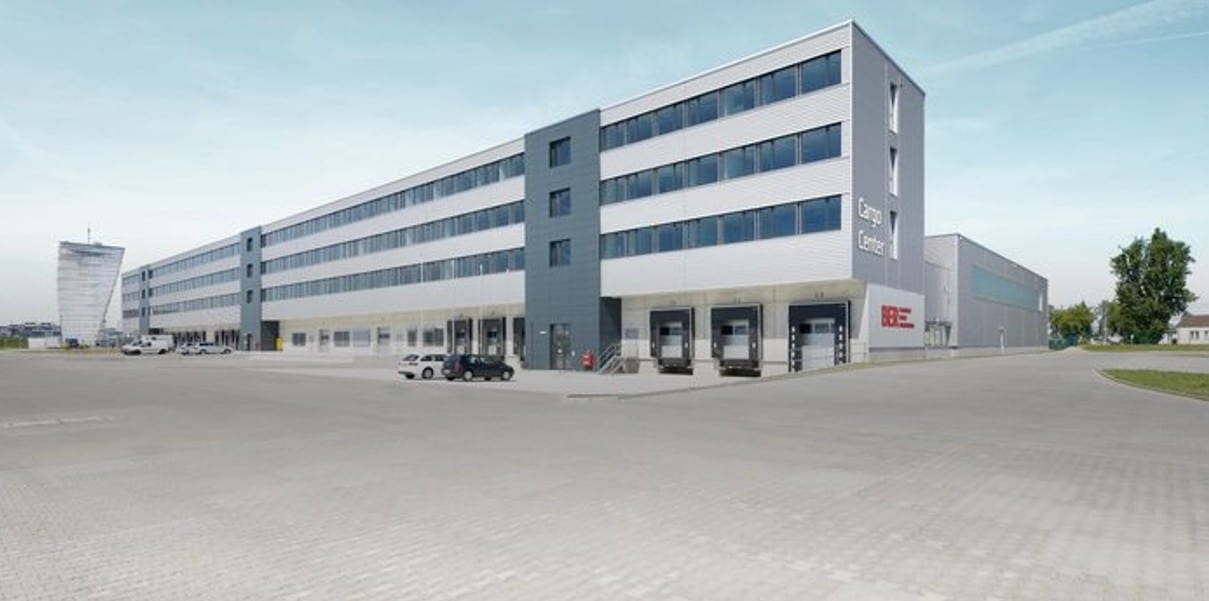
For about a year, Berlin Brandenburg Airport has been in operation. As a central airport, BER replaces its predecessor airports Tegel and Schönefeld as the new air freight center of the German capital and Brandenburg. Patrick Muller, Chief Operation Officer of BER, provided insights into the first year of cargo operations at the Aircargo Club Deutschland (ACD).
(Frankfurt/Main; Schönefeld) With the ongoing expansion of its cargo facilities, BER is also positioning itself as a significant driver of the emerging production industry for Berlin and Brandenburg. New long-haul connections and increased capacities with express airlines give the operating company optimism for the future.
Since the start of operations on October 31, 2020, amid the Corona crisis, the operating company sees the cargo business on a good course. Compared to 2020, Berlin Brandenburg Airport expects a growth of around 20 percent for 2021, Muller explained at the first in-person event of the ACD at BER. This means that BER is now only 25 percent behind the pre-crisis year of 2019 in terms of cargo. Last year, it was already possible to increase the loading of cargo onto pure cargo aircraft in Berlin by around 50 percent. The tonnage of goods flown with pure freighters has thus increased from 1,000 tons weekly to 1,500 tons.
Growing Share of E-Commerce Goods
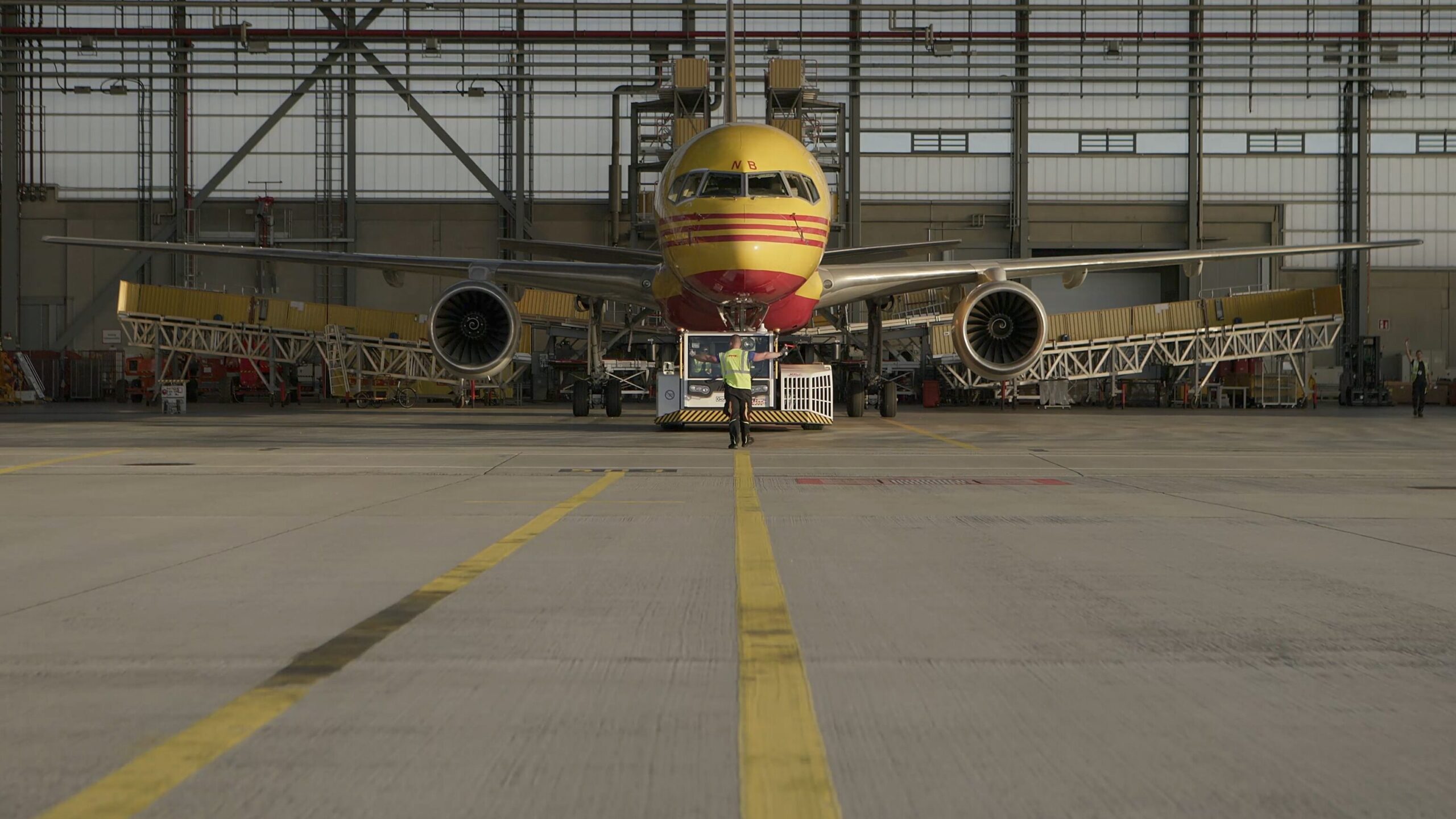
“The reason for the increasing freighter capacities at BER is partly due to the growing share of e-commerce goods,” reported Muller. Compared to the previous year, the share in Schönefeld grew by 13 percent. Several express freight airlines are now serving the capital region with larger aircraft: With the upcoming winter flight schedule, for example, FedEx will deploy medium-haul freighters of the Boeing 757F type to BER. Previously, smaller narrow-body freighters of the Boeing 737F type were used. Meanwhile, UPS is flying to the German capital with large freighters of the Boeing 767F type. “We also expect a continued increase in pure freighter aircraft at BER. For example, the upcoming production start of the new Tesla factory in the nearby Märkische Heide shows that the region is gaining more importance as a production site. Especially for the transport of highly technological and time-sensitive goods, a nearby airport with reliable cargo capacities is essential,” Muller explained to ACD members.
Increasing Belly Cargo in Passenger Aircraft
Berlin Brandenburg Airport also expects higher tonnages in belly cargo in passenger aircraft. The returning intercontinental traffic is expected to be a key driver here, as it accounted for two-thirds of Berlin’s air freight before the Corona crisis. The operating company recently announced several new long-haul connections: In October, Scoot will expand its existing connections with a stopover in Athens by adding three weekly nonstop flights from BER to Singapore with a Boeing 787. From March 2022, United Airlines will connect BER with New York-Newark and from May 2022 with Washington-Dulles. The American major carrier will use Boeing 767 on both routes.
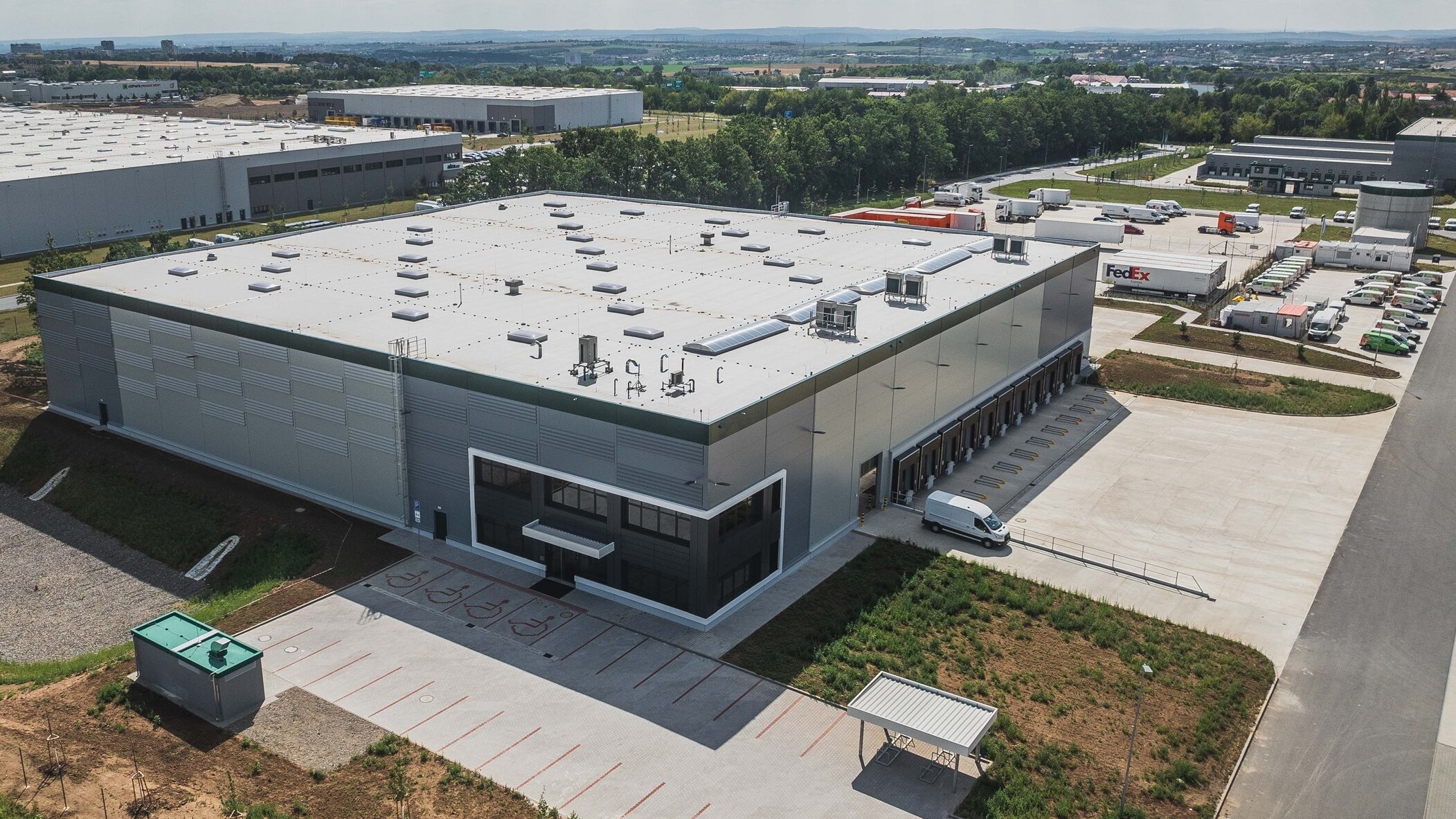
Muller showcased the ongoing expansion of cargo facilities at BER during a tour of the airport, after ACD members had previously received insights into the baggage handling system and the main fire station of the airport. In direct proximity to Terminals 1 and 2 and directly connected to customs, federal police, and border veterinary services, the cargo center of BER offers over 12,000 square meters of handling space, utilized by the ground handling service providers Wisag and Swissport. Twelve freight forwarders are also based here. On the directly eastern adjacent area to Cargo Center 1, which has already been approved for planning, a Cargo Center 2 with a handling capacity of 100,000 to 150,000 tons per year can be established. With sustained demand for further long-haul routes, the first goods could already be handled here starting in 2025. In the northern part of BER, the Express Center remains in operation. Together with FedEx, UPS, and charter companies, the DRK’s aid goods center utilizes the approximately 4,000 square meter area to respond quickly to global crises.
Air Freight Centers Are Important Location Factors
Prof. Dr. Christopher W. Stoller, President of the Aircargo Club Deutschland, stated: “The importance of air freight traffic is also increasing at the new capital airport BER. Well-connected, efficient, and reliable air freight centers are important location factors for manufacturing companies, as is evident in Berlin. With the smooth start of cargo traffic and the continuous expansion of capacities, BER is on the right track to fulfill this essential role for the capital region.” However, for airports, as well as airlines, ground handlers, or freight forwarders, to respond quickly to demands or changing market conditions, politics is also called upon. “Above all, it is important to accelerate and simplify approval or customs procedures. We see great potential here, for example, in digitalization,” Stoller added.
Photo: © BER