


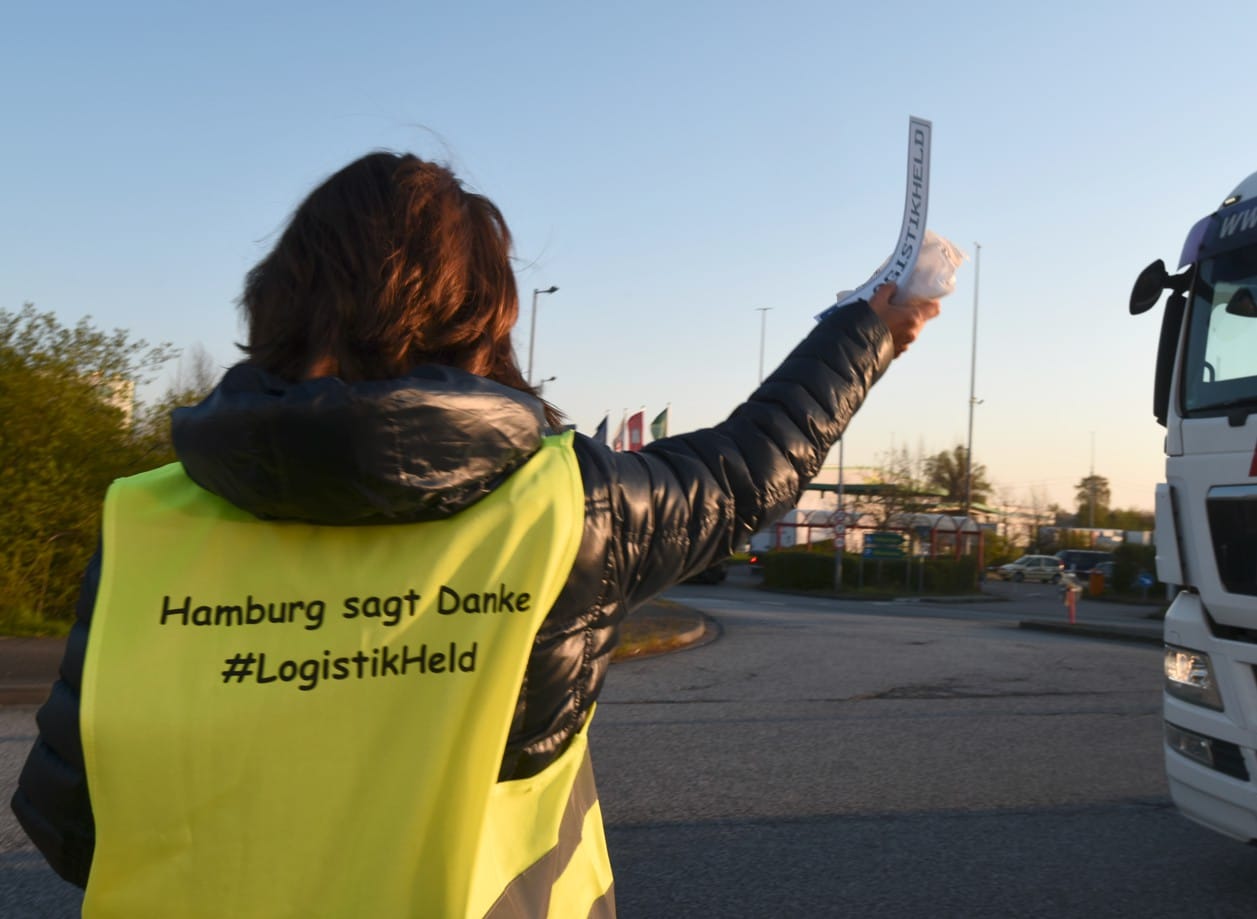
With the action ‘Hamburg says Thank You’, logistics heroes are honored
Sep 21, 2021 at 5:35 PM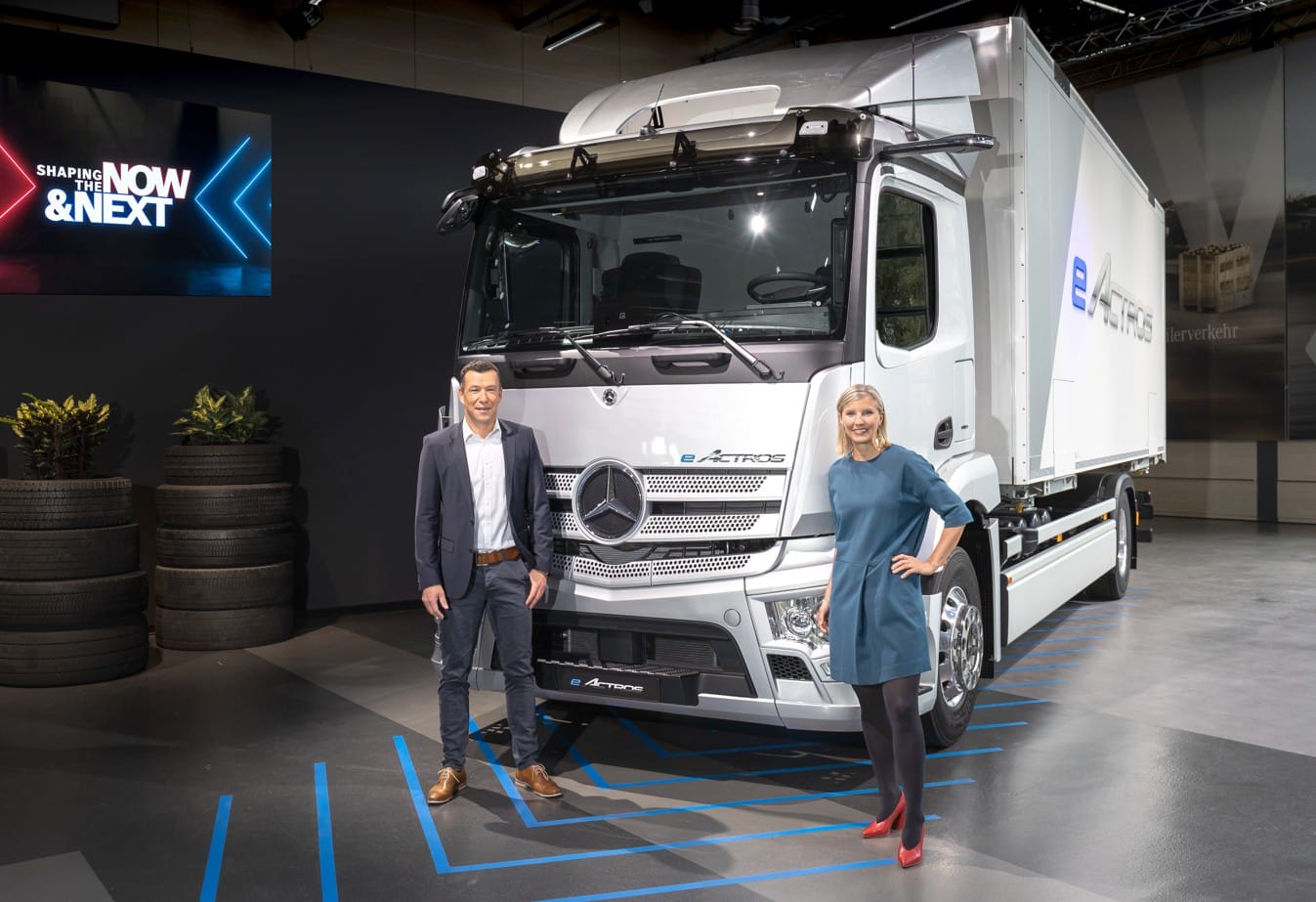
Mercedes-Benz Trucks with Innovative Solutions for the Energy Transition
Sep 21, 2021 at 5:47 PM
Kevin Richardson, Chief Executive of the Chartered Institute of Logistics & Transport in the United Kingdom (CILT UK), highlighted the problems arising from Brexit, particularly for small and medium-sized enterprises, at the latest event of the Aircargo Club Germany. This situation may also present opportunities for Central European airports.
(Frankfurt/Main) Since the beginning of 2021, the Trade and Cooperation Agreement (TCA) between the EU and the United Kingdom has been in effect. As a result, the country is no longer part of the EU Customs Union, and bureaucratic hurdles for trade have significantly increased. CILT represents the interests of the transport and logistics sector in the UK and advocated for the needs of the sector during and after the Brexit negotiations.
While the European and international air freight business has experienced a real boom during the pandemic, British companies face the challenge of managing the increased administrative burden associated with imports and exports. Kevin Richardson, Chief Executive of CILT UK, pointed out the issues caused by Brexit at the Aircargo Club Germany: “Although the immediate impacts of Brexit were less severe than expected, as many importers brought forward their purchases to the end of 2020, thus using stockpiles as a buffer, the Trade and Cooperation Agreement (TCA) did not eliminate significant regulatory, logistical, and administrative trade barriers, falling far short of the goal of ensuring smooth trade.”
Trade with Great Britain Declined
In particular, many small and medium-sized enterprises are struggling to comply with the new customs regulations, such as health certificates in the food sector. The British plans to deviate from EU rules and standards, for example in data protection, food safety, or chemicals, increase uncertainty for German companies in the UK market. According to the Federal Statistical Office, the trade volume between Germany and Great Britain fell by 2.3 percent in the first half of 2021 to a value of 48.3 billion euros. As a result, the United Kingdom has dropped to 11th place among Germany’s most important trading partners. Before the Brexit decision in 2016, the UK was still the fifth most important trading partner.
EU Airports as New Hubs
Prof. Dr. Christopher W. Stoller, President of the Aircargo Club Germany, sees Brexit as an opportunity for the German air freight and logistics market: “Many goods destined for the European market that were previously transshipped through British airports are now being transported directly to airports within the EU for easy redistribution. This could prove advantageous for German air freight locations as well. Moreover, Brexit particularly offers opportunities for logistics service providers, as customs operations are revitalized and their expertise is now in demand.”
However, the British transport and logistics sector is not only struggling with the new regulations. There is also a shortage of truck drivers, attributed to a number of factors including COVID-19 and tax changes. The UK is short approximately 65,000 drivers, including about 12,500 from the EU, who left during the pandemic because the British government did not classify them as qualified workers, thus rendering them ineligible for visas. The disruption of international supply chains due to the pandemic and product availability issues stemming from production capacities, along with changes under the TCA, are leading to significant supply shortages. “The government must do its part to maintain supply chains. We are determined to work with the British government, the Partnership Council, and the industry to address these challenges as quickly as possible. Supply chains are complex international networks, and all parties must ensure that trade functions as smoothly as possible,” said Richardson.
Border Controls for Goods Imports Postponed to 2022
Recently, the British government postponed the introduction of border controls for goods imports from the EU to next year. According to the government, this step was necessary for companies to recover from the pandemic and to prevent further exacerbation of supply chain issues. While the British are gradually implementing border formalities, the EU has been controlling since January 1, 2021. Some business associations in Great Britain are therefore complaining that the postponement of British controls extends competitive advantages for EU companies.
Photo: © Aircargo Club / Image Caption: The Executive Board of the Aircargo Club Germany (from left to right): Prof. Dr. Christopher W. Stoller, Benjamin Riege, and Achim Martinka