



Peter Hüwel appointed new CEO North America at Hellmann
Jan 20, 2021 at 6:00 PM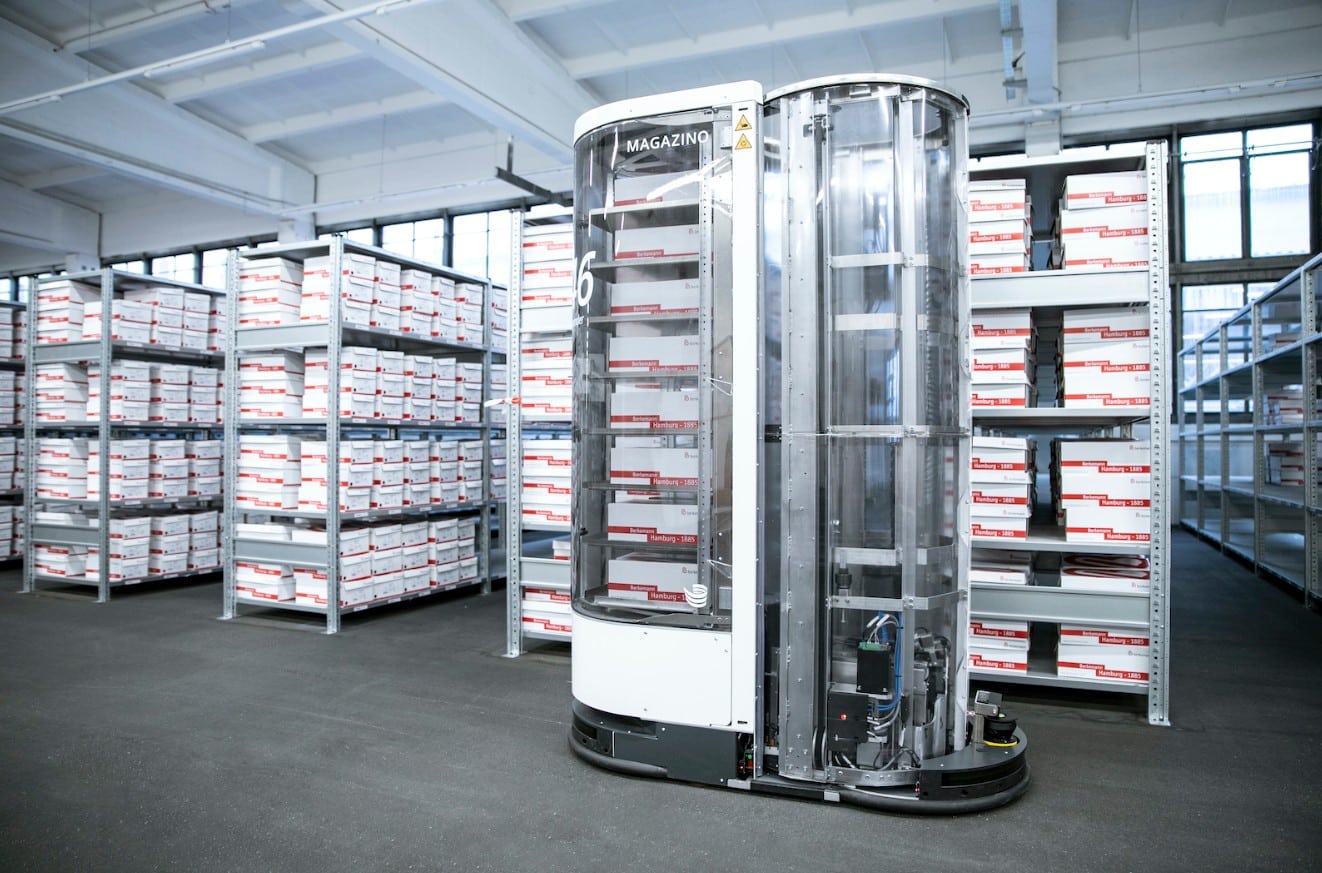
Robots from the robotics company Magazino pick after one day
Jan 20, 2021 at 6:03 PM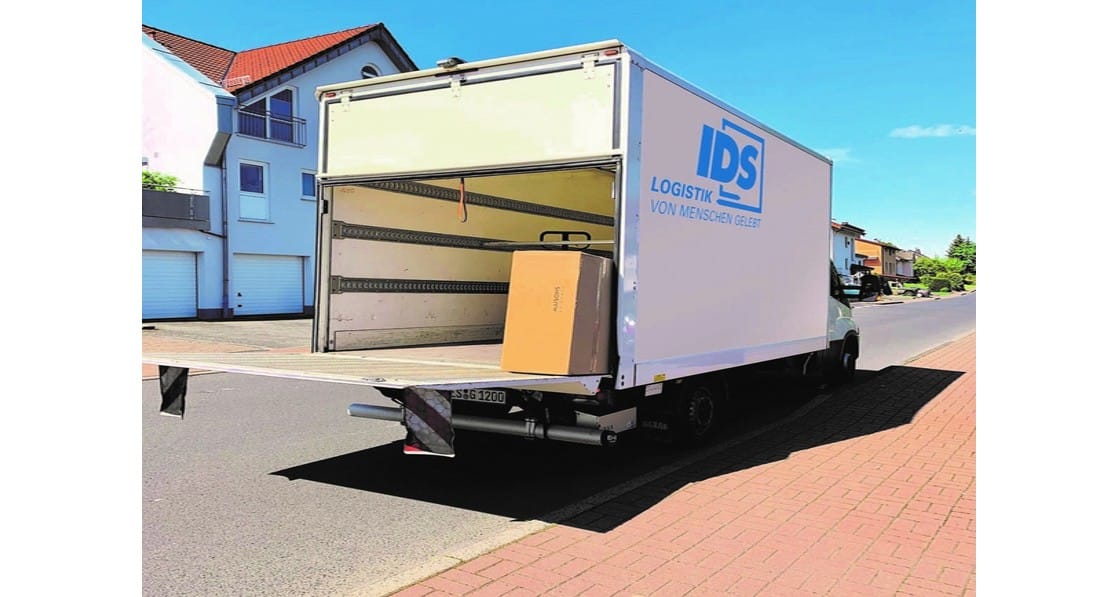
The IDS Logistics GmbH freight network is celebrating 10 years of the IDS B2C service. For the anniversary, neighborhood delivery is now also being offered. In 2020, this service benefited from the Corona pandemic, and for the first time, over two million shipments were transported.
(Kleinostheim) Ten years ago, the largest German freight cooperation, IDS Logistics GmbH, set the course for the delivery of freight to private end customers. Since the introduction of IDS B2C, the number of daily private deliveries in the IDS network has multiplied by a factor of 30, from 300 in 2011 to 8,500 in 10 years. Recently, IDS has also introduced neighborhood delivery as an additional service.
“The significance of B2C shipments has significantly increased in the IDS network. While the share of B2C in the total shipment volume was still below one percent in 2011, it grew to 19 percent in 2020. Last year, we transported more than two million B2C shipments in the IDS network for the first time,” explains IDS Managing Director Michael Bargl.
One reason for this is the steep rise in online business, which, according to the German Retail Association, has tripled from 2010 to 2019. Industries such as construction and garden markets, the furniture and sports equipment industry, and household appliance manufacturers have recognized e-commerce as an additional sales market. The Corona year 2020 further intensified this development.
B2C Delivery is Different
Compared to business customer deliveries, delivery to private recipients is significantly more complex. “However, we have continuously optimized private deliveries – not least thanks to automation and artificial intelligence – so that we can handle peak volumes, such as those we experienced during the Corona lockdowns in spring or now, without any problems,” Bargl continues. The challenges of the early years, such as recipients not being available, the misunderstanding of what ‘free curbside delivery’ means, cash-on-delivery orders, or loud complaints from poorly trained logistics staff, have largely been resolved by IDS.
While services like cash-on-delivery have been overtaken by credit cards and payment systems like PayPal, IDS has continuously optimized notifications and professionalized communication with private recipients, as well as defined more precise delivery time windows and offered alternative delivery options. “For example, we have recently introduced the option to deliver to a neighbor in the same building or street in case the recipient is not at home,” emphasizes Bargl regarding the ongoing improvements.
Email Notifications
In 2015, IDS launched B2C MAIL, the premium product for private deliveries. Here, the delivery date notification is sent to the recipient via email or SMS as soon as the shipment is loaded at the shipping depot for the next day – with a four-hour time window. With one click, they can select additional services in the web portal, such as a phone notification from the driver shortly before delivery or granting permission to leave the package. This has reduced the delivery time from an average of three to four days with phone notifications to one to two days. Today, B2C MAIL accounts for about 40 percent of all B2C shipments in the IDS network.
Recipient Recognition and Automatic Notification Standards
In addition to phone notifications, IDS introduced digital notifications via SMS and email for all B2C standard shipments in 2017. In the web portal, private recipients can select their desired delivery date and additional services, such as driver notifications, permission to leave the package, or neighborhood delivery. This accounts for another 20 percent, bringing the total to 60 percent of all IDS B2C shipments that are now digitally and fully automatically notified.
The delivery dates for the remaining 40 percent of IDS B2C shipments are arranged by phone through professional, quality-monitored service centers. “Communication with private recipients is an important quality criterion. We employ specially trained staff in our service centers who exclusively assist private recipients. They explain the delivery conditions, provide information on the status of a shipment, or take and resolve complaints,” says Michael Bargl.
A prerequisite for scheduling is that private addresses are marked or recognized as such. Using artificial intelligence, IDS therefore introduced automatic private recipient recognition in 2018. With the implementation of recipient recognition, today 5 percent of all shipments are additionally identified as B2C shipments and directly fed into the correct processing. This reduces unnecessary trips and shortens delivery times.
Further Services in Preparation
“For the future, we see more than ever that the purchasing decision for ‘in-store’ or ‘online’ will also depend on logistics. During the lockdown, many new customers experienced that B2C freight logistics works reliably and that it is very convenient to have large and bulky items delivered,” explains Michael Bargl.
However, the modern consumer desires reliable delivery within the smallest possible time window to the desired delivery location and, if something goes wrong, timely and precise information about it. This clearly sets the requirements for freight service providers in the next one to three years. If the agreed delivery date cannot be met, the carrier must inform the private recipient in real-time via smartphone – whether by SMS or email. IDS will soon introduce this service.
Also in planning is – as is already partially common with parcel services today – that the recipient can retrieve the estimated time of arrival (ETA) via a link. The end recipient will know with +/- one hour accuracy when their shipment will arrive. “Therefore, freight service providers must be able to offer precise real-time information in understandable language – even in case of problems – to the end customer on their mobile phone. This is also in preparation at IDS,” says IDS Managing Director Bargl.
Photo: © IDS